Most people think paint damage happens only when scratches and other signs of damage are clearly visible on the car’s surface. In reality, the damage starts much earlier. It starts at a microscopic level before it becomes visible. Your vehicle is exposed to UV radiation, industrial fallout, brake dust, and other pollutants every day. These contaminants gradually impact the vehicle’s protective coating. Each pollutant affects the protective layer differently.
Once the clear coat deteriorates, it exposes the underlying paint layer. The exposed paint layer is vulnerable to oxidation, staining, fading, and corrosion. Regular car detailing helps prevent gradual environmental damage by removing contaminants that settle on the car’s surface and damage the paint. It restores protective barriers to prevent further damage. It also helps address minor issues before they become major repairs. This blog explores how car detailing can help prevent paint damage.
Understanding How Automotive Paint Actually Fails
Modern automotive paint has three layers, each about 100 microns thick. The first layer is the primer, which creates a uniform foundation for the upper layers to bond to. The second layer is the base coat. It provides the colour pigments, metallic flakes, or mica effects that are part of the modern factory paint. It has a purely cosmetic purpose. The top coat or clear coat is a transparent layer that gives modern vehicle paint its deep, reflective finish. The clear coat serves as a sacrificial layer that protects the vehicle.
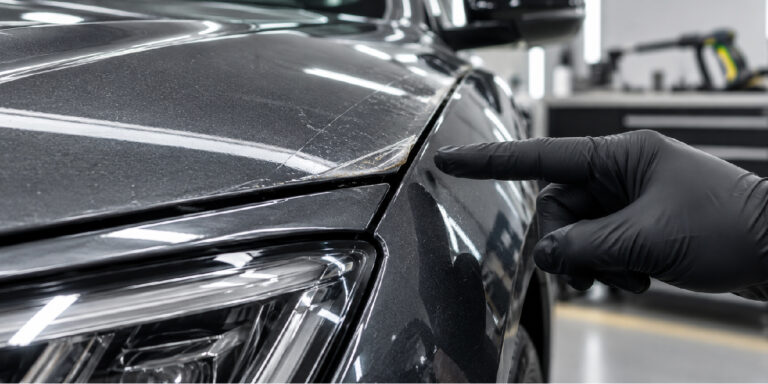
UV radiation and atmospheric oxygen combine to cause paint oxidation, breaking down the protective clear coat and underlying pigments. This can lead to dullness of the finish and colour fading. Moisture can cause paint degradation, and paint damage often appears sooner on darker colours. Car owners usually overlook early signs of paint damage. Paint damage is not sudden; it happens gradually. Regular car detailing helps prevent car damage.
The Hidden Threat of Bonded Contaminants
Contaminants are generally classified into two types– surface and embedded contaminants. Surface contaminants can be easily washed away with regular soap and water. Embedded contaminants are not easy to wash off. What are embedded contaminants? Embedded contaminants are microscopic particles that physically or chemically bond to a vehicle’s clear coat. They make the paint feel gritty or rough. They block the adhesion of waxes or coatings.
Your vehicle is regularly exposed to brake dust. Brake dust embeds itself into car paint. Industrial fallout and metal particles can also bind with the clear coat. Construction zones damage the vehicle in many ways. Paint overspray can form a layer on the clear coat. Hard water carries mineral deposits that adhere to the paint surface and leave spots on the surface. Airborne pollution and smog particles are contaminants that bond to the clear coat. In summer, road tar accumulates on the exterior and makes the car surface rough. All the embedded contaminants make the paint surface rough.
How Detailing Interrupts the Paint Cycle
How does regular car detailing help prevent paint damage? Paint damage is not a single event. Embedded contaminants cause chemical reactions that damage the vehicle paint. Removing contaminants before the chemical reactions begin can help prevent the damage. Car detailing prevents etching before it becomes permanent. Contaminants can build up layer by layer. Removing them early prevents the buildup. Regular car detailing can prevent oxidation damage.
Car detailing helps extend the lifespan of the clear coat. Protective layers can be installed and maintained to prevent paint damage. Regular maintenance of protective barriers helps reduce opportunities for corrosion. This approach reduces the need for major paint correction. Car detailing helps extend the coat lifespan.
Why UV Protection Is One of Detailing’s Biggest Benefits
The damage that sunlight causes is usually underestimated. Every day, the car’s exterior is exposed to UV rays. Over time, UV exposure gradually weakens the paint system. Paint oxidises as UV radiation breaks down the chemical bonds within the clear coat. The paint loses its shine and begins to look dull and chalky. Certain areas of the vehicle, such as the roof, hood, and trunk, fade faster because they receive the most sunshine throughout the day. Vehicles in warmer climates often experience faster paint deterioration, though cold climates are not immune. Snow and ice reflect sunlight, increasing UV exposure.
Air pollution can accelerate paint damage. Air pollutants settle on the paint surface. Sunlight causes them to react with the clear coat, damaging it. Heat makes the clear coat expand and contract, rendering it vulnerable to cracking. The damage caused by sunlight is not even throughout the vehicle. Different panels receive varying amounts of sunlight and therefore fade at different levels. Ceramic coatings provide long-lasting UV protection.
Preventing Chemical Etching Before It Becomes Permanent
When acidic or reactive contaminants settle on the vehicle, they remove or dissolve parts of the material’s surface because of a chemical process called etching. Bird droppings are acidic and can etch the vehicle’s clear coat. Bug splatter is reactive and causes paint damage. Tree sap also affects the clear coat. Deposits of industrial pollution can affect the protective layer of the car. Acid rain also damages the paint.
In warmer climates, heat accelerates the etching process. Etching can begin as soon as an acidic or reactive contaminant comes into contact with the vehicle’s surface. Stronger or fresher acidic contaminants can cause damage more quickly than older contaminants. Warm temperatures speed up the chemical reaction. Maintaining a regular car detailing schedule prevents contaminants from etching the car surface. Detailers use specialised techniques to remove embedded contaminants without damaging the paint surface.
How Proper Detailing Reduces Micro-Scratches and Swirl Marks
Micro-scratches can be caused by a variety of factors. Swirl marks are microscopic, spider-like scratches that show up as circular patterns under direct sunlight or bright lights. They are generally caused by using dirty mitts or old towels with trapped dirt. Automatic car washes can also create swirl marks because of their spinning brushes. Professional detailers use microfibre cloths and other safe cleaning tools. Improper cleaning techniques cause scratches and swirl marks.
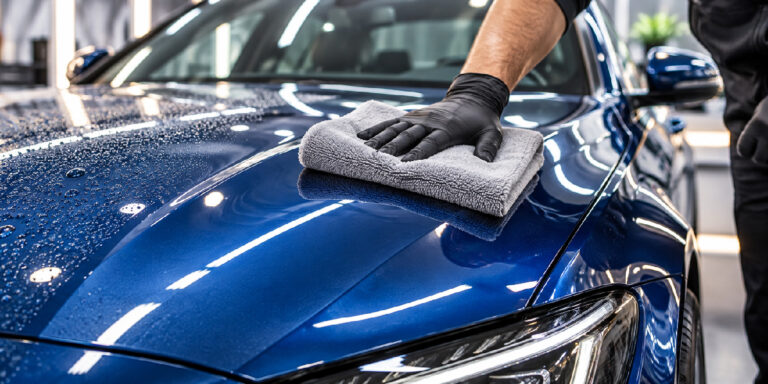
Car detailing cleans vehicles by minimising physical contact with the paint. Detailers maximise surface lubrication and use high-grade microfibre tools instead of abrasive sponges.
Why Paint Damage Often Starts in Areas You Never Notice
Regular car washes wash the visible dirt off the vehicle’s surface. But many parts of the vehicle are often neglected or go unnoticed. Damage in the door jambs often goes unnoticed. Damage around badges and emblems is often overlooked during a regular car wash. Wheel arches can accumulate contamination and get damaged if ignored. The fuel door area is prone to paint damage.
Other areas that can get damaged and go unnoticed are roof edges, trunk seams, and hatch edges. Car detailing helps identify early signs of damage throughout the vehicle so they can be addressed before they worsen.
The Economics of Prevention vs Paint Repair
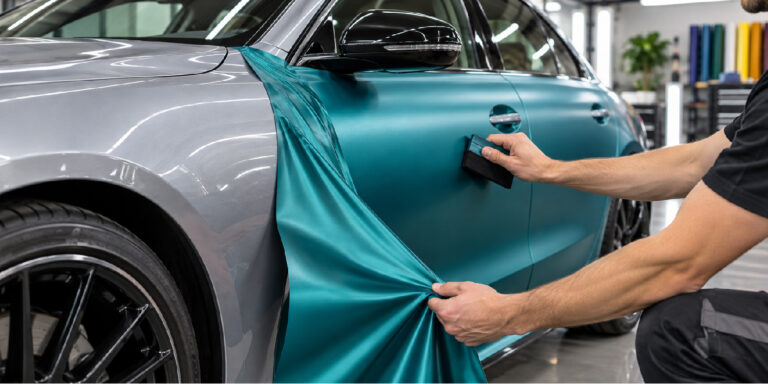
Car detailing helps repair parts of the car in the initial stage of damage. It helps control the damage. Installing a car body wrap protects that car’s exterior. If a part of the wrap is damaged, it can be removed and replaced. If the original paint of the car is damaged, the entire body has to be repainted. Paint correction is a part of car detailing that can be done before installing a wrap.
The resale value of the vehicle can be maintained with car detailing. Any damage to the clear coat leaves the paint vulnerable to damage. Installing protective coats or films helps prevent this damage.
Conclusion
Can regular car detailing prevent paint damage? Not entirely. However, it can help prevent many of the factors that contribute to paint damage. The biggest threats to factory paint are not major visible hazards, but small, often unnoticed ones that accumulate over time and cause damage. Regular car washes cannot address all the minor damage. Car detailing helps identify and address minor issues before they develop into major problems.
Visit Colibri Car Wrap and Detailing for all car detailing services. Let us help you protect your vehicle’s paint.