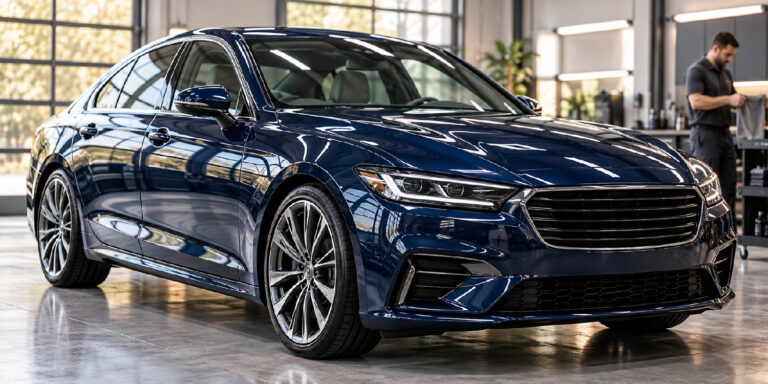
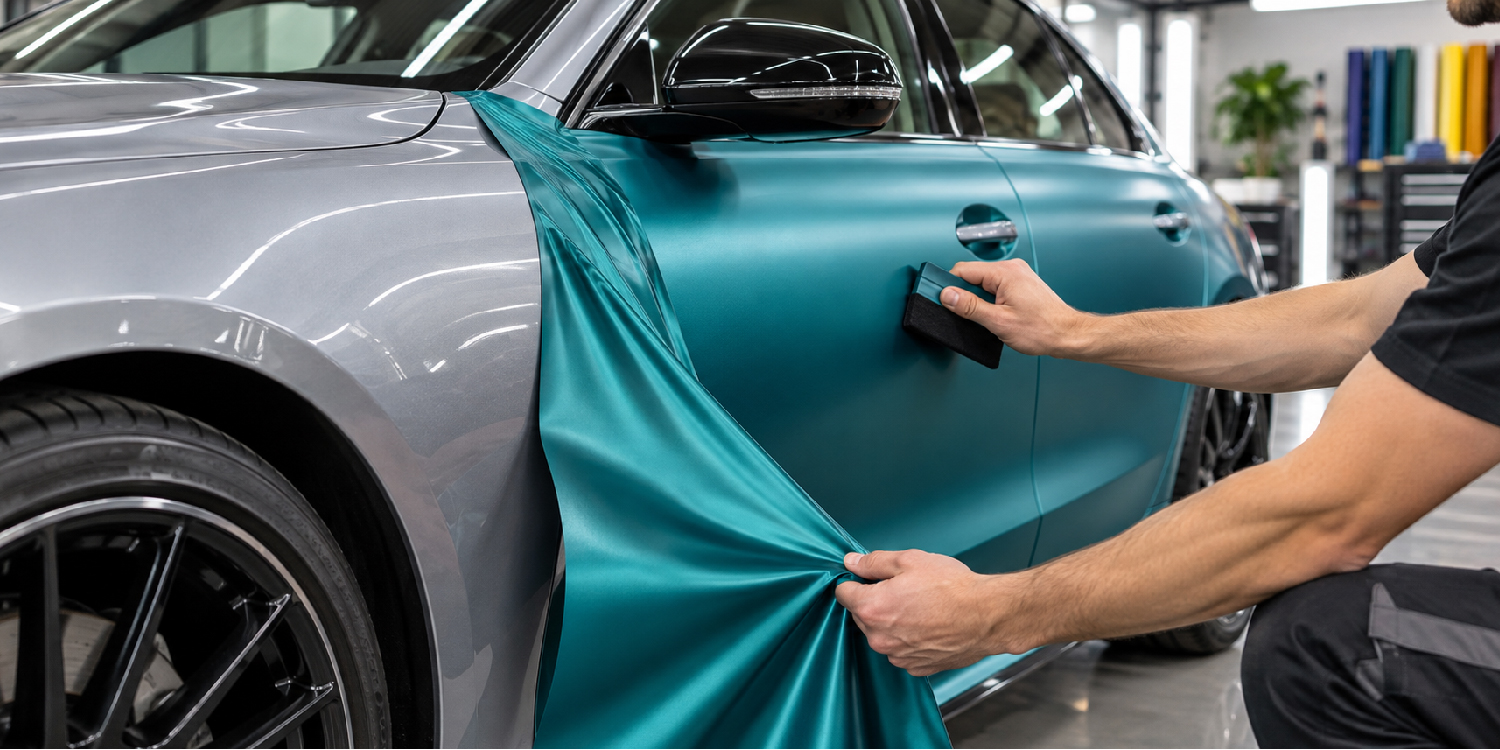
Investing in a car is a milestone for most people. After you buy a car, most owners want to preserve the factory finish. The shine and gloss of factory paint are not easily replaceable. Canadian weather exposes vehicles to harsh conditions, and car owners can protect their vehicles with a car body wrap. For car owners who want to change the appearance of their vehicle without committing to a permanent paint job, a car body wrap is the ideal solution.
A car body wrap makes it possible to customise their vehicles and protect the original paint. These wraps can be used for car branding— a great way to advertise your business. Although they are already widely used, people still have questions about what a car body wrap really is and how it works. This blog answers common questions about car body wraps and how they work.
What Is a Car Body Wrap and How Does It Work?
Just like our outfits are a personal statement of our style, a car body wrap can be customised to align with our style. A wrap is a thin vinyl film applied over the vehicle’s external surface. They come in different variations. They can be a full-body wrap, partial wrap, or decal. They come in different finishes, textures, and colours. Modern wraps can mimic materials like carbon fibre and brushed metal. They help change the appearance of your vehicle without affecting the car’s original paint. They can also be removed by professional installers without altering the paint if they are installed properly.
The wrap adheres to the paint using pressure-sensitive adhesive. Modern wraps are designed to conform to the contours of complex vehicle shapes. They are commonly used by businesses for car branding. They can be customised for personal use as well as business use. They are a good alternative to repainting.
Why Vehicle Owners Choose Car Wraps
Owners who like to change the vehicle’s appearance without investing in repainting can find a car body wrap useful. They are often more economical than a high-quality repaint. A big advantage of wraps is that they can be removed without affecting the original paint. Owners can return the vehicle to its original condition later. Other than their cosmetic appeal, wraps have a protective function. They help protect the vehicle from minor environmental impacts and scratches.
They are useful for car branding. Car branding is a modern form of advertising and can deliver better ROI than traditional advertising. Branded cars can be driven in different neighbourhoods and deliver more brand exposure. Owners who like speciality finishes can find more options in a car body wrap than with traditional paint. Car owners with leased vehicles stand to benefit from car body wraps. The resale value of vehicles can be maintained with car wraps. Even an ordinary car can look luxurious with the right kind of car body wrap.
Understanding the Materials Used in Car Wraps
A car body wrap is usually made of high-quality polyvinyl chloride (PVC). It is usually mixed with plasticisers, colour pigments, and UV stabilisers. PVC forms the main face film. It provides strength, thickness, and structure to the film. Plasticisers add softness, elasticity, and stretchability to the film. UV stabilisers protect the plastic and underlying paint from sun damage. Cast vinyl and calendared vinyl are two primary types of wrapping materials. They differ in their manufacturing methods. Cast vinyl is a premium choice and is often referred to as the “high-performance” wrap film. It is manufactured by dissolving the ingredients into a liquid mixture using a solvent. The liquid mixture is then cast into a moving web liner, before the solvent is baked out in an oven.
Calendared vinyl is the budget choice and is often referred to as “short-term” film. It is made by blending raw PVC and plasticisers into a heated dough-like paste. This dough is then forced through massive, heavy rollers (calendars) that squeeze and stretch the plastic into a flat sheet. Some of the modern car wraps have self-healing properties. Premium materials are easier to install and remove.
The Different Types of Car Wrap Finishes
Car owners in Canada find appeal in the variety of finishes car wraps offer. For owners who like showroom-like paint finish, gloss wraps offer many colour choices. Owners who like to stand out prefer a matte finish. A matte finish is guaranteed to make heads turn. Satin finish offers a balance between gloss and matte. Drivers of all ages are opting for metallic and chrome finishes. These modern finishes add depth and sparkle to the finish.
Another option car owners have is colour-shifting wraps. They change colour under different lights and angles. Textured wraps add to the tactile visual appeal. Printed wraps are for owners who like custom graphics and designs. Camouflage wraps are popular with many car owners today. They offer a unique styling option. The option of mixing different finishes to make a cohesive design is also available.
How the Car Wrap Installation Process Works
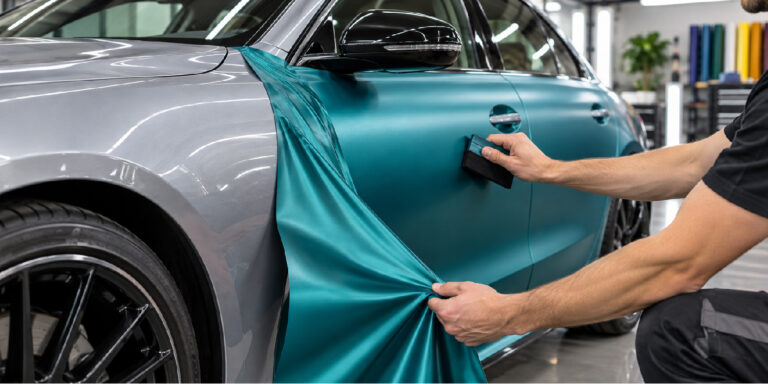
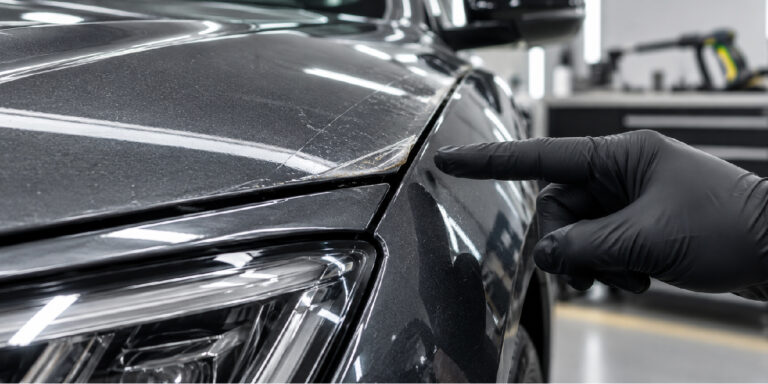
Professional detailers have the skill and expertise to install a car body wrap seamlessly. The first step of installation is thorough cleaning of the exterior. The surface has to be clean and free of contaminants for a smooth finish. The surface contaminants are removed through specialised tools and processes. Any existing paint defects are repaired. For proper coverage, installers measure and plan the material meticulously. It requires a degree of precision. Vinyl sections are cut to fit specific panels.
The film is then positioned on each surface. Heat guns are used to stretch the vinyl around curves. Once the vinyl is in place, squeegees are used to remove air bubbles from underneath the wrap. The edges are secured to improve the longevity of the wrap. Any excess material is trimmed precisely. Heat is applied post-installation to activate adhesive memory. Installers inspect all areas to ensure proper installation.
How Car Wraps Adhere to the Vehicle
The adhesives used are pressure-sensitive. No permanent glue or chemical bonding is required in the process. The adhesive requires some curing time for proper bonding. The strength of adhesion increases after installation. Installers use heat to help the vinyl conform to the shape of the vehicle. Removing trapped air increases contact with the underlying paint.
Installation of a car body wrap requires dry and temperature-controlled conditions. At Colibri Car Wrap and Detailing, we ensure that the risk of edge lift is minimal with proper adhesion.
How Long Does a Car Body Wrap Last
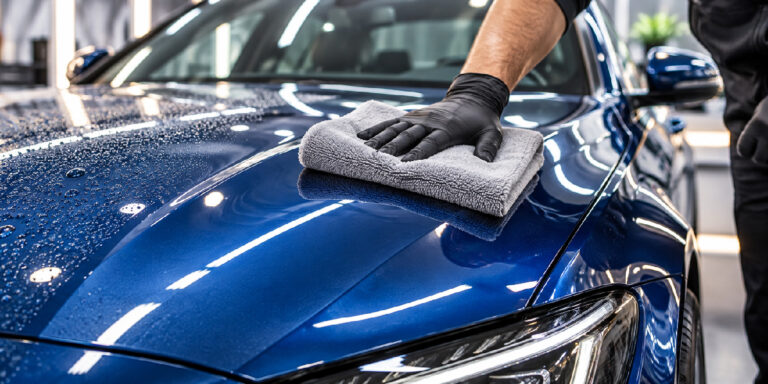
High-quality car wraps last for five to seven years. The material of the wrap and installation quality can impact the long-term performance of the wrap significantly. Though wraps do not require much maintenance, some simple habits ensure that the wraps last long. Avoid parking outdoors for extended periods of time; UV exposure can accelerate fading. Avoid using harsh chemicals on vinyl wraps. Regular car detailing helps maintain the car body wrap properly.
Premium car body wraps exceed their expected lifespan with proper care and maintenance.
Conclusion
A car body wrap is much more than a cosmetic enhancement. It protects the factory paint, allows owners to customise their vehicles, and even turns a normal car into a mobile advertisement. By understanding how car wraps work and the maintenance requirements, owners can make informed decisions and ensure the performance of their wraps.
Whether you are looking to change the colour of your vehicle, achieve a unique finish, or add protection, at Colibri Car Wrap and Detailing, we promise to deliver the best results.