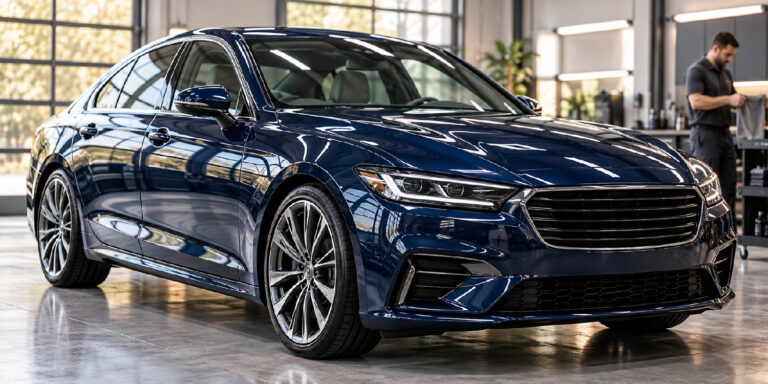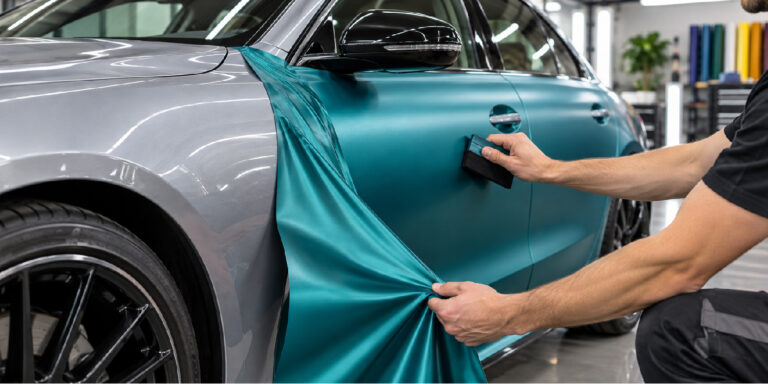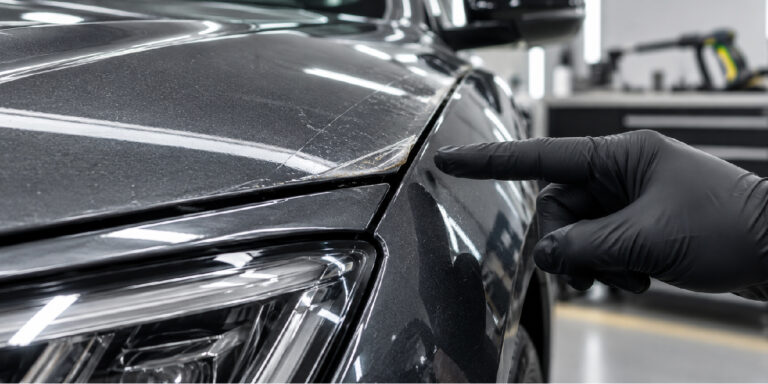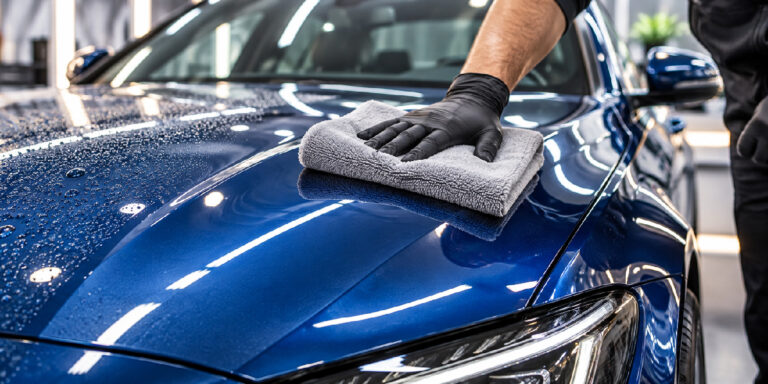
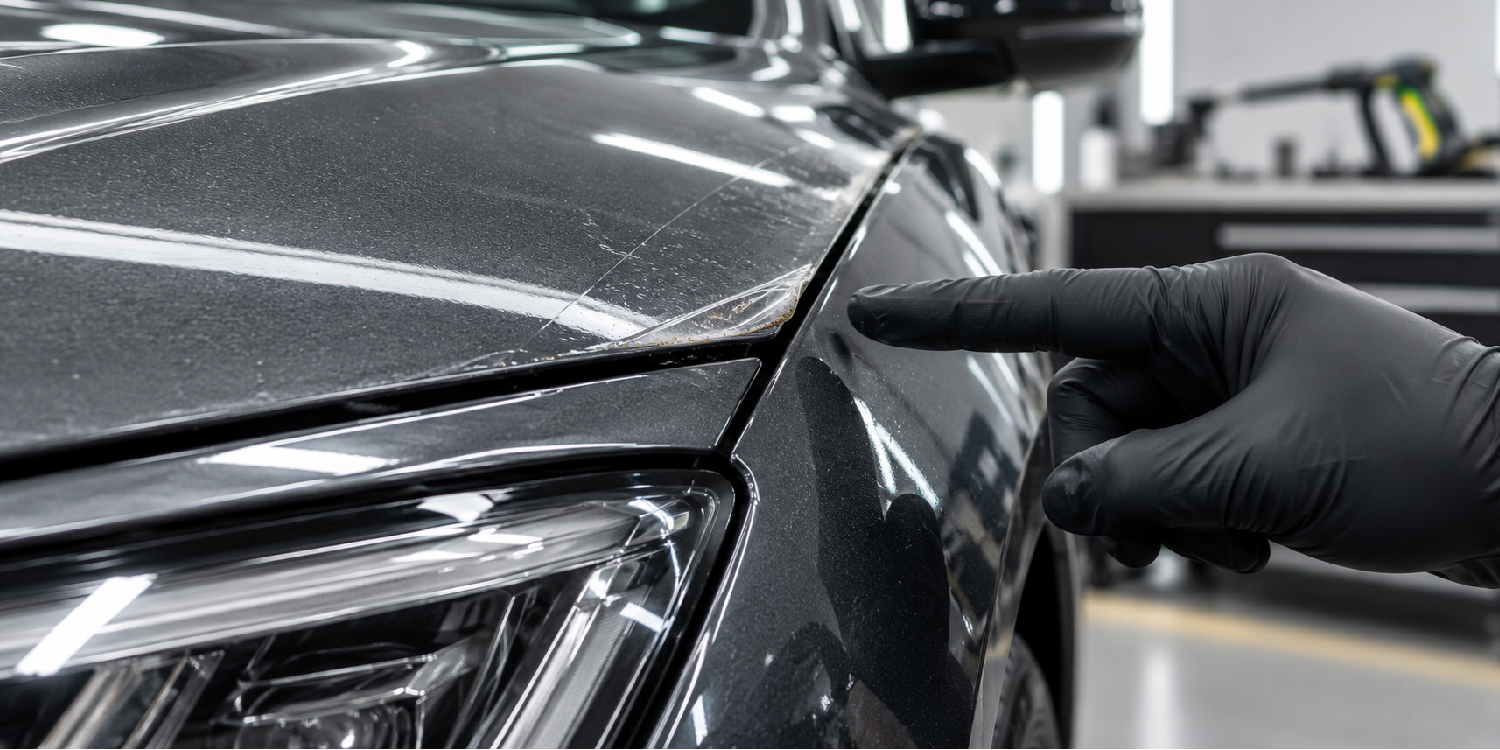
Paint protection film (PPF) can be your vehicle’s best protection in Canadian weather conditions. It is designed to be the first line of defence against environmental factors that could potentially damage the paint. Vehicles are exposed to UV rays, bug splatter, road salt, and other contaminants daily in Canada. These protective films can last for five to ten years when they are properly installed and maintained.
Many vehicle owners unknowingly reduce the lifespan of their paint protection film through common mistakes. These mistakes include improper washing techniques, poor maintenance, neglecting timely removal of contaminants, improper installation, and environmental exposure. PPF damage does not happen overnight, but develops gradually through repeated mistakes. Avoiding these mistakes can help you lengthen the film’s lifespan. This blog delves into the common mistakes that shorten the lifespan of paint protection film.
Washing the Vehicle Too Soon After PPF Installation
The first mistake that most vehicle owners make is to wash the vehicle too soon after installation. The installation process involves using a soapy slip solution to let the film glide into proper alignment. After the film is placed properly, tack solution is applied to anchor the film in place. The adhesive needs sufficient curing time to bond to the vehicle’s surface. Water can penetrate the uncured edges and disrupt the installation. It can weaken the film-to-paint bonding.
Washing the film too soon can increase the risk of edge lifting, causing moisture to be trapped beneath the film. When water is trapped under the film, it can create cloudy patches on the film. Adhesive curing requires dry conditions. Humid conditions reduce adhesive strength. Washing too soon impacts the self-healing performance in the long run. At Colibri Car Wrap and Detailing, we give clear timelines to clients after installation. This enhances the film’s longevity.
Using Household Cleaning Products Instead of PPF-Safe Products
Paint protection film is, in reality, a low-maintenance investment. But there are some simple protocols that installers recommend to increase the longevity of the film. Many car owners disregard the recommended cleaning products and use household cleaners on the film instead. These films are created using advanced technology and can be easily damaged by the degreasers in household cleaners. The protective top coatings are stripped away by dish soap. Bleach-based cleaners can deteriorate the surface of PPF. Petroleum-based products can reduce the clarity of the film. Alcohol-based cleaners can dry out the film, causing it to lose its flexibility.
Paint protection film has hydrophobic properties, making it resistant to staining and water spots. Alkaline chemicals can impact the hydrophobic properties of PPF. On the other hand, acidic cleaners cause top-coat degradation. Residue builds up from unsuitable soaps. These films come with manufacturer warranties that can be voided by improper care.
Choosing Convenience Over Proper Washing Techniques
Automated car washes are convenient. You just drop in when you have a little spare time to get your car washed. But the bristles of the spinning brushes can leave swirl marks and micro-scratches that are not immediately noticeable. Washing a car at home with rough or dirty mitts can damage the paint protective film. Some car owners use the same mitt on painted surfaces after cleaning the wheels. The dirt from the wheels contaminates the sponge and scratches the paint surface.
Even the scrubbing motion can leave marks on the film. Circular scrubbing motions create swirl marks. Some car owners zealously apply excessive pressure and damage the protective film. When owners are short on time, they dry-wipe their dusty vehicles. This can cause scratches on the film’s surface. Car detailers recommend the two-bucket wash method to wash vehicles. This method prevents swirl marks and scratches on the film.
Letting Bird Droppings, Bug Splatter, and Tree Sap Sit Too Long
Any acidic or reactive contaminants can cause etching of the paint protection film. Bird droppings are acidic in nature. When they settle on the film, they etch into the coat. Tree sap can harden onto the surface and can be difficult to remove if left to settle on the film. Bug splatter can be challenging to remove if not removed in time. When these contaminants are left on the film surface, they can stain the film and reduce its transparency.
Trying to remove these contaminants by vigorously brushing with stiff brushes can damage the film. The surface of the film becomes rough, and it also affects its self-healing properties. The gloss of the film becomes uneven across panels. This attracts dirt and grime. Regular car detailing removes these contaminants and prevents etching.
Ignoring Hard Water and Mineral Deposits
Hard water contains many minerals. Allowing hard water to air dry on paint protection film can leave water spots that eventually etch the film. Minerals accumulate on the film and reduce its clarity. Have you seen freshly cleaned cars with white spots on the surface? That’s usually the result of washing with hard water. Once the deposits harden on the film, they become difficult to remove. Washing with hard water reduces the hydrophobic properties of paint protection film.
The surface of the film can become permanently stained without regular car detailing. The film can become dull over time when repeatedly washed with hard water.
Neglecting PPF Edges, Seams, and Corners
While washing a car, people usually focus on the broader areas and ignore the edges, seams, and corners of paint protection film. It is usually along the exposed edges that dirt accumulates. If the film has lifted in certain sections, moisture can penetrate the area and settle beneath the film. The adhesive weakens over time. The film starts curling along the edges, and it becomes noticeable.
Small lifts can become major failures. Dust can also settle under the film. When the adhesion is compromised, the film can peel while washing. The structure of the film weakens, leading to major film failure.
Parking Habits That Accelerate PPF Ageing
Outdoor parking, especially in summer, exposes paint protection film to intense sunlight. Prolonged exposure to UV radiation damages the film. It can cause yellowing of the film. The elastic property of the film is reduced. Heat can compromise the adhesive layer. Parking under trees exposes the car to tree sap and bird droppings that can damage the film. Parking near construction zones and in industrial areas exposes the film to hazards that can cause damage to it.
Skipping Routine Inspections and Maintenance Checks
Routine inspections help identify early signs of edge lifting that can be easily remedied. Small bubbles after installation can spread if ignored. Adhesion issues can cause the film to shift if not addressed early. Regular maintenance checks can identify minor impacts from road debris. Stains can become permanent if left untreated. Top coat wear can be identified during routine inspections.
Conclusion
Paint protection film is one of the most effective ways to protect your vehicle from the effects of extreme Canadian weather. Although it has a long lifespan, improper washing and inconsistent maintenance can shorten its durability. Most PPF failures are not caused by defects in the film itself; instead, they result from everyday mistakes.
At Colibri Car Wrap and Detailing, our professional installers ensure that your PPF installation is completed to the highest standards. Visit us to learn more.