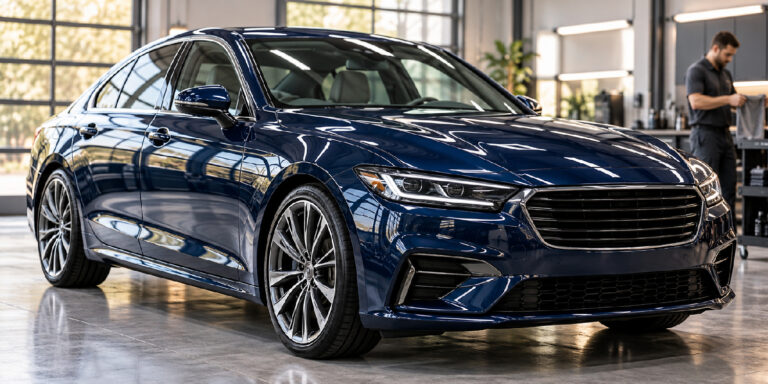
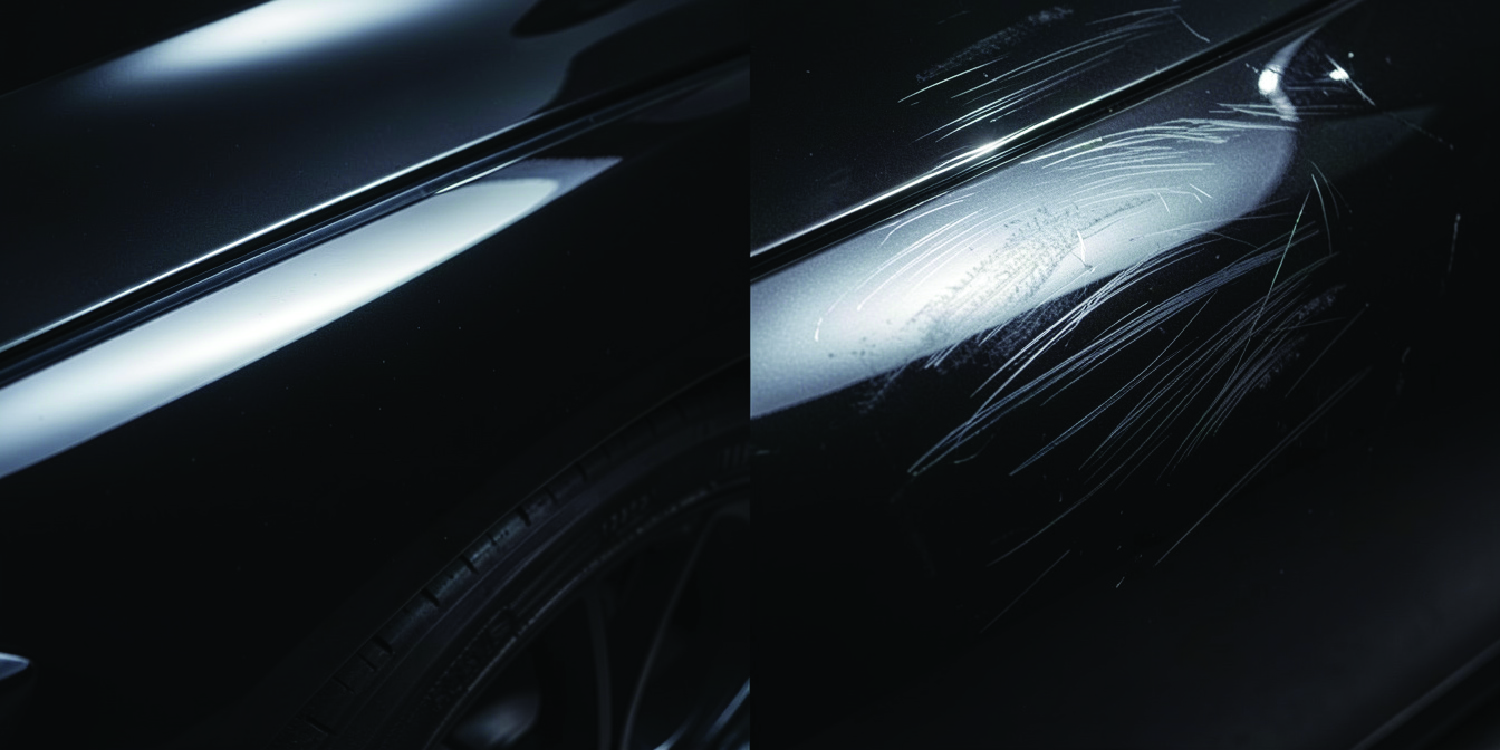
Your vehicle is exposed to road debris, UV rays, pollution, and everyday wear. When you drive your vehicle regularly, scratches, chips, and fading paint are inevitable. Even with careful driving, these risks are unavoidable. That is where paint protection film comes in. It is a transparent coating that can be applied to the vehicle to protect its finish.
More people are opting for paint protection film to protect their vehicle’s exterior. It is important to understand the advantages and disadvantages of PPF before making a decision. This blog outlines the pros and cons of protective films to help you make an informed decision.
Superior Protection Against Physical Damage
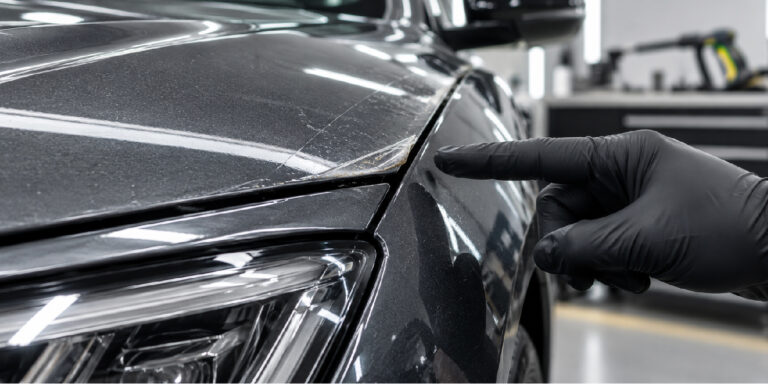
If you are a proud car owner, maintaining your car is important to you. Driving on highways or in the suburbs exposes your vehicle to the risk of damage from stone chips and road debris. Even with careful driving, minor scratches are unpredictable. Paint protection film acts as a barrier against stone chips, minor scratches, and road debris.
Some parts of the car are at a higher risk of damage, such as the bumpers, hoods, and side mirrors. With proper installation, these films wrap seamlessly around the contours of these areas. They can protect them from damage.
Regular driving or parking outdoors can fade the paint over time. The damage inflicted by UV rays oxidises the paint. Bird droppings, tree sap, and bug splatter can etch into the paint. The factory paint’s integrity is gradually compromised. PPF protects the factory paint. The paint stays vibrant and clear for years. It also reduces the need for frequent touch-ups or repainting.
Self-Healing Technology Enhances Longevity
Paint protection film has evolved in the past decade. Advances in technology have revolutionised PPF. Modern PPF has self-healing properties that are activated by heat. Unbelievable? Yes, but true.
These films are polyurethane films with a top coat of elastomeric polymers. These polymers flow back into place when activated by heat. The heat source can be sunlight, warm water, or a heat gun.
Minor swirl marks and scratches disappear over time on paint protection film. The paint is untouched, and the finish remains smooth. It is easy to maintain a smooth, flawless surface with minimal effort.
PPF enhances the car’s long-term appearance. It performs better in warm climates or for hot water applications.
Preserves Vehicle Resale Value
Car owners who upgrade or replace vehicles every few years strive to maintain their vehicles’ resale value. Fading paint, swirl marks, and scratches will reduce resale value. With paint protection film, the original paint is maintained in near-perfect condition. A car with undamaged paint is more appealing to potential buyers.
Before resale, buyers inspect the vehicle to assess its condition. Wear and tear will not be apparent when PPF protects the vehicle. A well-maintained car speaks of the care invested in its proper functioning. Buyers view it as an indicator of the vehicle’s overall maintenance. PPF is considered a premium upgrade in the used-car market.
With PPF on your car, you have a better basis for negotiating a higher resale price.
Nearly Invisible Finish Maintains Aesthetics
PPF does not alter the paint colour or finish. It is a layer that sits seamlessly on the paint and protects it. It blends seamlessly with the car’s paint. If you want a change in the car’s finish, PPF is available in both gloss and matte. It offers customisation in different finishes.
The original colour is not altered. It enhances shine when maintained properly. It is ideal for owners who prefer to keep the original factory paint finish. With PPF, the paint remains intact. Additionally, it is protected from fading, road debris, bird droppings, tar, and other factors.
If you take pride in your vehicle (whether it is a family car or a rare beauty), the aesthetics of the vehicle matter to you. A one-time investment to protect the vehicle without visually impairing it can be the ideal choice for proud car owners.
Protection Against Environmental Damage
The car’s paint is the most affected by environmental factors. UV fading causes damage gradually. The paint loses its vibrancy, depth, and clarity. The application of PPF protects the paint even when the vehicle is parked outdoors for extended periods.
Bird droppings, tree sap, and bug splatter can compromise the clear coat. The integrity of the paint is eventually compromised. These contaminants are acidic and can etch into the car’s paint and cause dullness. PPF protects the paint for years.
Chemical stains are also a threat to the car’s paint. Chemical stains result from pollution and acid rain. PPF protects the paint from chemical damage. Oxidation is a gradual degradation of the paint. PPF reduces the damage from oxidation. It is useful in urban and coastal environments.
Customisable Coverage Options
Paint protection film offers coverage options. It offers full or partial coverage. For car owners who like to protect the entire car, a full-body paint protection film is the best choice. If full-body coverage is not appealing, partial coverage can be used to protect high-impact zones. This allows consumers the flexibility to choose options that suit every budget and need.
Another option is to cover high-touch areas like door edges and handles. Car owners can prioritise protecting specific areas of the car. The choice can be determined by usage and driving conditions.
Higher Initial Investment Compared to Alternatives
The cost of paint protection film is higher than periodic waxing or basic coatings. Pricing varies depending on car size and coverage level. For the best results, have PPF installed by professionals such as Colibri Car Wrap and Detailing. DIY options are available, but they can compromise the finish. Professional installation adds to the total cost, but it is an investment that pays long-term value.
Repainting can be expensive. PPF reduces long-term repainting expenses. It is usually considered a premium, long-term investment.
Requires Professional Installation for Best Results
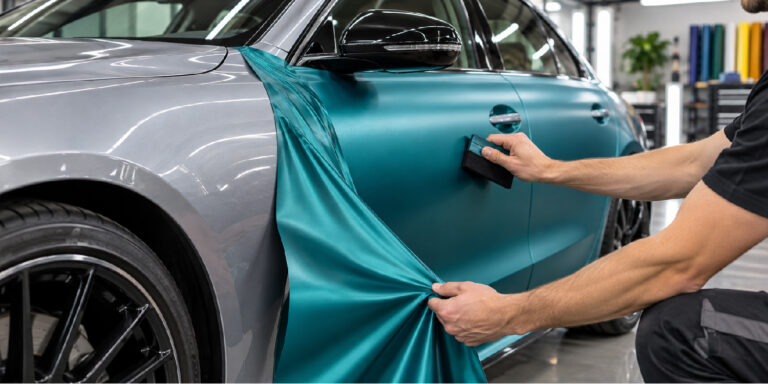
The film’s finish is as good as the installation. Poor installation can lead to bubbles or misalignment. Choosing an experienced installer is crucial to the process. Proper installation needs skill and controlled conditions. Professional installers have the right tools and temperature-controlled facilities for proper installation.
The installation process may take 1–3 days. Professional installation ensures durability and a clean finish.
Maintenance Is Simple but Not Zero
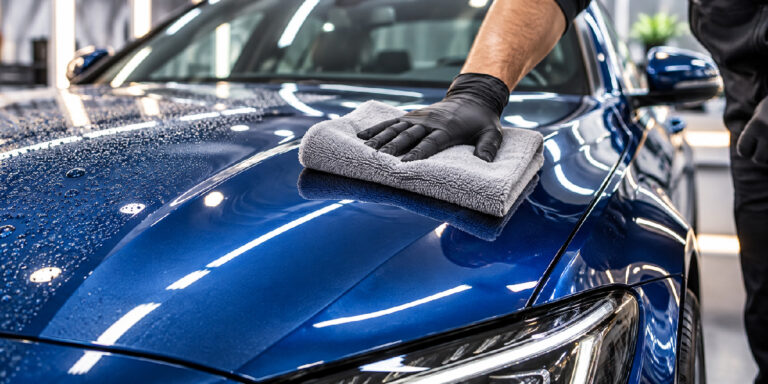
Paint protection film requires regular washing to maintain clarity. Harsh chemicals can damage the film and reduce its lifespan. It does not require frequent polishing or waxing. Gentle washing with a mild or pH-balanced soap is recommended. Use a microfibre cloth to dry the film after washing. Maintenance is easier compared to untreated paint.
Limited Lifespan but Long-Lasting Performance
Typical films last 5–10 years, depending on quality. Gradual wear over time is natural. High-quality films resist yellowing and peeling. These films can be replaced without damaging the paint.
Conclusion
Paint protection film offers a powerful shield to safeguard your car’s exterior from physical and chemical contaminants. It helps maintain the car’s resale value. The benefits are compelling enough to justify the upfront cost.
At Colibri Car Wrap and Detailing, we have experienced staff and a proper facility to ensure that your car leaves in mint condition. If you are still debating the benefits of paint protection film, visit our showroom, and we can help you make an informed decision.