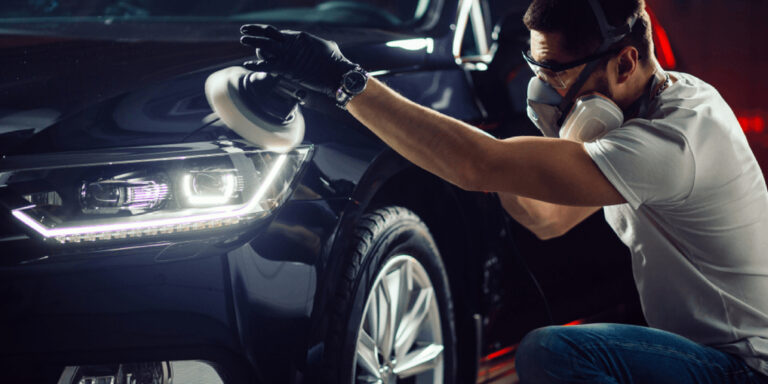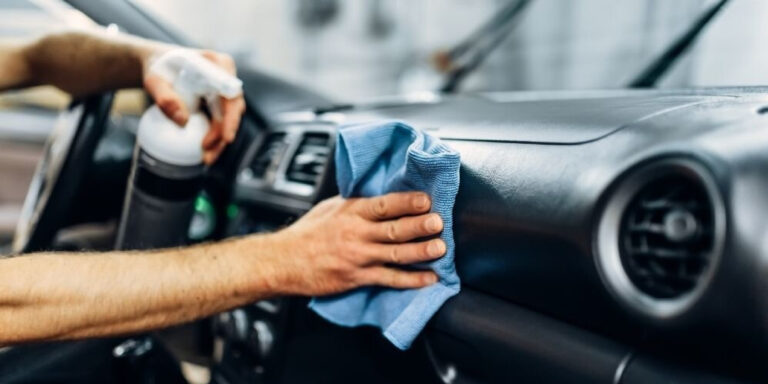
Paint protection film is the best armour for your vehicle. It protects your vehicle from everyday wear and tear. Your car is exposed to hazards such as rock chips, road debris, bug splatter, and UV exposure. Paint protection film is a durable, transparent barrier that helps preserve your car’s appearance while maintaining its resale value.
Most owners believe that once paint protection film is applied, their car is maintenance-free. However, simply installing paint protection film is not enough to ensure long-lasting performance. For long-lasting results, PPF requires proper care after installation. Certain habits and oversights can reduce its effectiveness and lifespan. Minor mistakes, from washing your car too soon to using unsuitable cleaning products, can affect how well the film protects your vehicle over time.
This blog explores some of the most common mistakes owners make that affect the film. Understanding these mistakes helps you avoid them and adopt the right practices to get the best value for your money.
Washing Your Car Too Soon After Installation
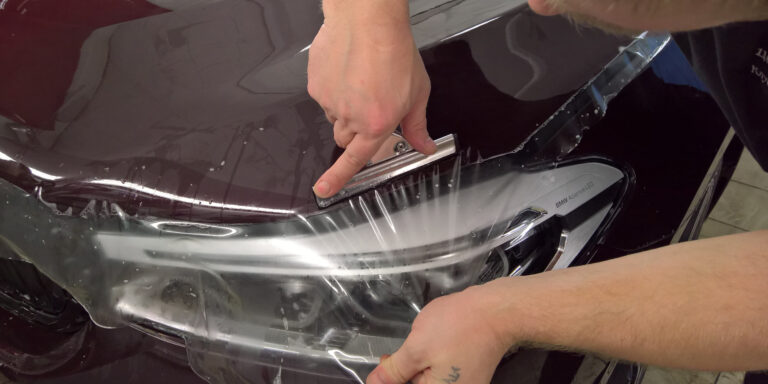
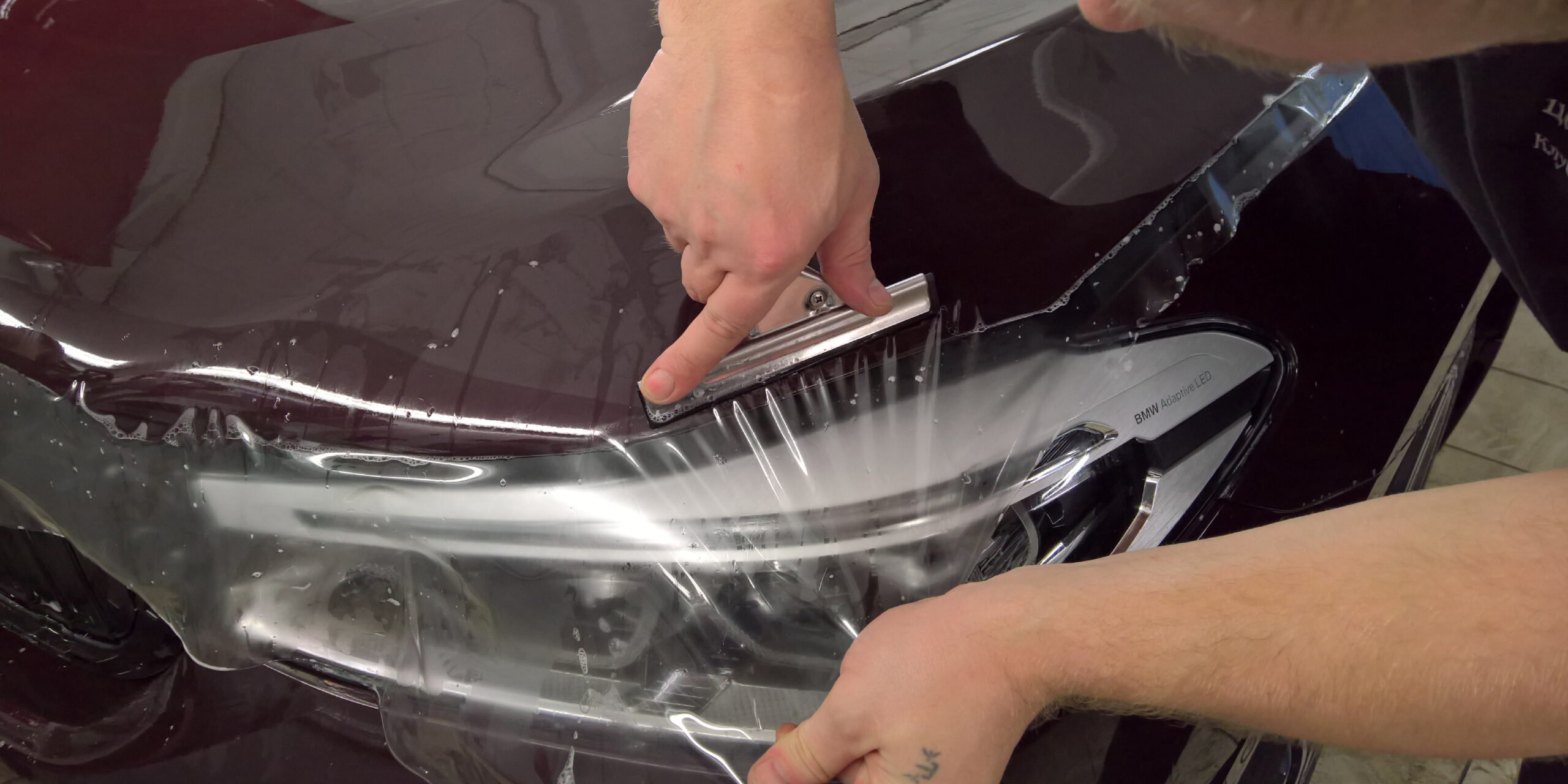
Paint protection film has to be installed professionally for the best results. The process involves using a soapy solution to adhere the film to the car. This soapy solution is trapped beneath the film and needs time to cure to ensure that the trapped moisture evaporates through the porous urethane film. Washing your car too soon can interrupt the curing time.
Adhesive bonding binds the film to the car surface. Water can disrupt the adhesive bonding. Washing with soap can leave soap residue on freshly installed film. Pressure washers can displace the film, affecting the installation. Automatic car washes are to be avoided at all costs. Weather conditions can affect the curing process. The moisture trapped under the film has to evaporate completely. Professional car detailers have enclosed, climate-controlled clean rooms where the temperature and environment are kept steady during the initial stages of curing. When the film edges are locked flat, and tiny bubbles under the surface have completely disappeared, you know that it is safe to wash your car. The general rule of thumb is to wait for seven to ten days.
Using the Wrong Washing Techniques
Aggressive scrubbing should be avoided to prevent damaging the film. Use clean mitts to wash the car. Dirty wash mitts trap abrasive particles and scratch the paint protection film. It is better to use straight-line washing motions to wash the car.
The right technique to wash the car is the two-bucket method. The first bucket is filled with plain, clean water and a grit guard at the bottom. This is the rinse bucket. The second bucket is the wash bucket, which is filled with water and car wash soap. You start by dunking the microfibre wash mitt into the wash bucket and wiping down a panel of the car. The mitt will pick up dirt and trap it in the microfibre. The dirty mitt is then dunked into the rinse bucket and scrubbed against the grit guard at the bottom. The dirt falls off the mitt and gets trapped in the guard. The process is repeated to wash the entire body of the car.
Contaminants should be washed off as soon as possible. Letting them sit on the surface can damage the film. Using household detergents to wash the car can cause the film to become dull. Gentle washing is recommended instead of applying too much pressure while cleaning
Choosing Harsh Cleaning Chemicals
Products with strong solvents can weaken paint protection film. Petroleum-based cleaners and ammonia-containing products can affect the film. Bug removers contain harsh chemicals that can damage the film. Using high-pH cleaners can mar the finish of the film. Unknown DIY cleaners are best avoided.
Products that you use to clean the film have to be chemically compatible with the paint protection film. Using products without reading the label can expose the film to harmful chemicals. Alcohol-based cleaners are not advisable for use on film. PPF-safe maintenance products are reliable for use on film.
Ignoring Bird Droppings, Bug Splatter, and Tree Sap
Delayed removal of contaminants such as bird droppings, bug splatter, and tree sap can compromise the finish of the film. Contaminants become harder to remove the longer they are left on the film. Acidic bird droppings leave stains on the film that are difficult to remove. Tree sap bonds to the surface of the film. Rainwater, if allowed to sit on the film for long, can leave mineral deposits on the film. Road tar builds up on the film over time.
These contaminants have to be washed off the film immediately. Try to avoid parking in areas where the vehicle can be exposed to these contaminants. Inspect the vehicle after long drives for these contaminants and wash them off.
Parking Carelessly Every Day
Regular outdoor parking exposes the vehicle to UV rays that can dull the shine of the film. Parking beneath trees leaves the vehicle exposed to bird droppings. Construction sites generate dust that can settle on the film. Parking in tight parking spots can leave scratches on the film. A stray shopping cart in the parking lot can leave marks on the film. Sprinkler systems near the parking area can leave mineral deposits on the film.
Garage parking is considered the best option for cars with paint protection film.
Neglecting the Film’s Edges
Dirt collects around the seams of the film. The edges require extra attention while washing and maintenance. Picking at the lifting edges can shorten the lifespan of the film. High-pressure water directed at the edges can cause them to lift, compromising the film’s adhesion. The corners have to be inspected regularly and maintained. Any minor repairs should be undertaken early. Avoid DIY trimming. Seasonal contraction and expansion of the film can cause minor faults, which can be detected with regular inspection. Maintaining edge integrity is important for the longevity of the film.
Assuming Paint Protection Film Makes Your Car Indestructible
Paint protection film acts as a shield against most environmental elements. This does not mean that it is indestructible. Paint protection film can absorb minor scratches and swirl marks. Deep scratches can damage the film and leave permanent marks. Chemical exposure can damage the film. Major collisions may damage the film, and it may need to be replaced. Rock chips hitting the film at high speed can cause irreparable damage.
Careful driving can avoid such damage. Loading heavy cargo has to be undertaken carefully when the car has paint protection film. Everyday wear can also affect the film.
Delaying Professional Repairs
Small edge lifts can become larger and may need replacement. Dirt and dust beneath a damaged film can compound the problem. Improper drying techniques leave moisture on the film that can deteriorate adhesion. Most paint protection films come with a warranty. It is advisable to maintain the warranty coverage. For minor damages, repairs are possible. When the damage is more extensive, replacement may be the better option.
Conclusion
Paint protection film is designed to protect the car’s exterior over the long term. The effectiveness of the film depends on its maintenance. Common mistakes such as improper washing, using harsh chemicals, delaying contaminant removal, or neglecting routine inspections can prove detrimental to its lifespan. If you are looking for professional installers in Toronto, Canada, visit Colibri Car Wrap and Detailing for the best services in the industry.