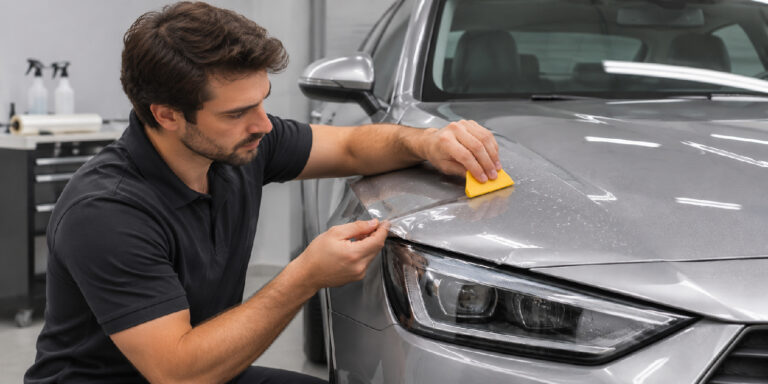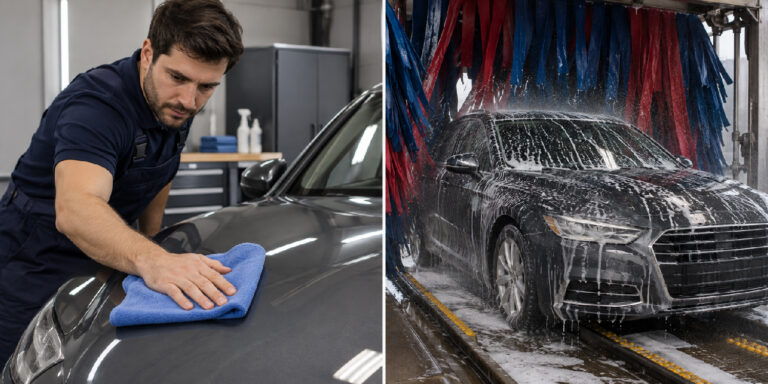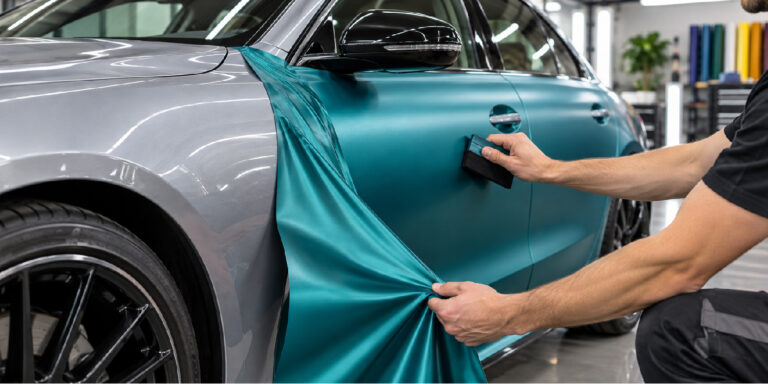
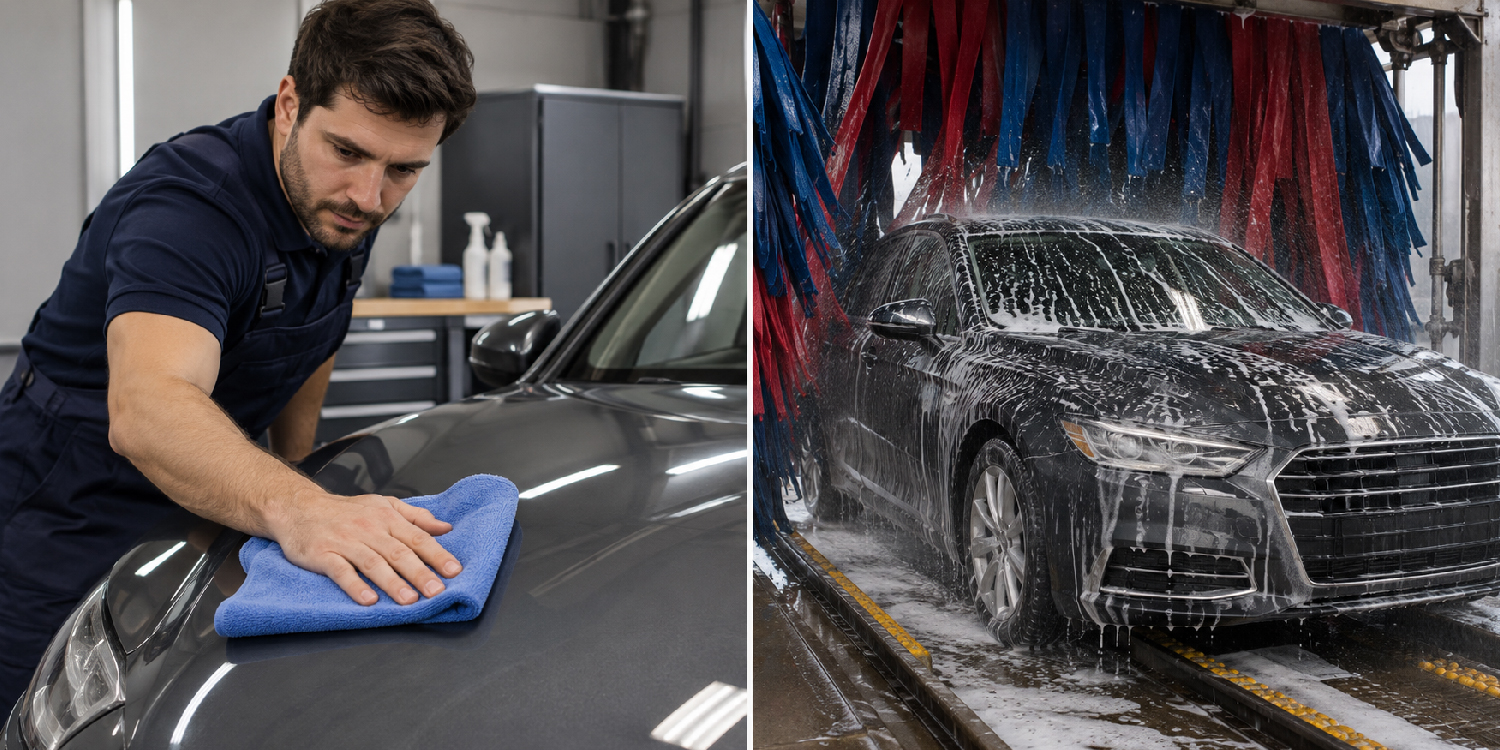
A quick trip to the car wash can have your vehicle looking clean in minutes. The car looks cleaner, the windows are clearer, and the paint has that clean shine. On closer inspection, the car may not be as clean as it looks. Dirt hides around badges, wheels, door jambs, and other easily overlooked areas. Car detailing takes a different approach to cleaning the vehicle. While a car wash mainly removes visible contaminants, car detailing goes deeper and addresses contaminants that may not be immediately visible.
Canadian drivers have to deal with changing and often harsh weather conditions throughout the year. Road salt, slush, mud, tree sap, and other contaminants can be a hassle in different seasons. A basic car wash cannot remove all contaminants. Car detailing removes contaminants, restores your vehicle’s appearance, and helps protect it. Every area of the car is addressed during detailing, including the paint, wheels, interior surfaces, carpets, glass, and those tiny spaces that are often overlooked.
This blog explores how car detailing is different from a regular car wash.
A Car Wash Cleans the Surface; Detailing Looks Deeper
When your car looks dirty and you have little time between chores, one of the most convenient ways to clean your car is to take it to a car wash. A car wash can remove loose dirt and visible grime from the vehicle. Invisible dirt hiding in the overlooked areas of the vehicle and embedded contaminants may not be removed by regular car washes. They require professional car detailing.
Detailers spend time identifying different types of dirt and treating them individually. Not all contaminants can be removed in the same way. Some require special processes to remove them. A quick wash may not remove the contaminants that have bonded to the paint. Car detailing has many processes that remove contaminants in multiple stages. The difference can be particularly noticeable when a car is detailed after months of accumulated road grime.
The Time Factor Changes What Can Actually Be Cleaned
A car wash is convenient because it is built around speed and convenience. The cleaning process is generally quick and focused on surface-level cleaning. Detailing requires considerably more time because different areas receive individual attention. Detailers spend extra time on areas that need specialised attention.
Some contaminants need pretreatment to loosen them. Detailers may need additional time to loosen the dirt before cleaning. Interior car detailing requires patience. The seats, carpets, mats, and trim need to be treated separately. After detailing, the car needs to be dried thoroughly. Water can be trapped around trims and crevices. Professional detailers thoroughly inspect the vehicle for any overlooked problems. Detailing takes time because it even addresses delicate surfaces. Detailing can really make the car more comfortable to drive. Detailing provides thorough attention to the vehicle.
Not All Dirt on Your Car Is the Same
Car detailing is not a simple cleaning process. One cleaning process cannot remove all kinds of dirt on your car. Road dust requires a different cleaning approach than oily road film. Brake dust can accumulate on your vehicle and behave differently from ordinary mud or loose dirt. Tree sap and bird droppings can contain substances that should not be scrubbed aggressively.
Tar and sticky contaminants require specialised treatments. Water spots can remain even after ordinary dirt has been removed. Many bonded contaminants require multiple stages of treatment to remove them efficiently. Using the same cleaning method to remove all kinds of buildup may not yield good results. It is easy to assume that aggressive scrubbing can remove stubborn contamination. Detailers use special products and tools to clean surfaces. The key to good results is correctly identifying the contaminants. Once the contaminants are identified, it becomes easier to choose the right cleaning method.
Paint Care Goes Beyond Making the Car Look Shiny
The vehicle’s paint plays an important role in overall appearance. Washing can remove dirt from the surface. But embedded contaminants remain attached to the paint surface. They can also make the paint surface feel rough. When the paint surface is smooth, it reflects light more evenly and gives the vehicle a sleek appearance.
Improper washing techniques can cause minor scratches and swirl marks on the paint. Improper drying methods can drag dirt or debris across the paint surface and cause unwanted marks. The condition of the painted surface can be assessed before detailing. Certain vehicles require more careful treatment because of their age and existing finish. Minor imperfections can be particularly noticeable on dark-coloured vehicles. With regular detailing, minor changes in the paint condition can be identified early. Detailers focus on preserving the condition of the finish, not just producing temporary shine.
Your Wheels Often Need More Attention Than a Basic Wash Provider
Your wheels are regularly exposed to road grime. Brake dust accumulates on wheel surfaces. Heat generated during driving can make these deposits harder to remove. Certain wheel designs with narrow spokes can create tight areas that are difficult to reach. A regular car wash may focus primarily on the visible outer surface of the wheel. The inside surfaces of wheels that collect grime can receive more thorough attention during car detailing. Different wheel finishes require different cleaning approaches.
Regular detailing can help keep your wheels in better condition.
Interior Detailing Treats Your Car Like a Living Space
For daily commuters, your car can feel like a second home. When you spend significant amounts of time in the car, the interior of the cabin can affect your comfort and overall driving experience. Interior surfaces collect dust, pollen, food particles, hair, pet hair, and dander. Car seats are often exposed to drink spills and food debris. They experience wear and tear from repeated contact and friction.
Floor mats and carpets can trap dirt. Car detailing can clean these often overlooked parts of the interior. Air vents are often overlooked during regular car washes. Detailers pay attention to overlooked areas inside the cabin. Different interior materials require different cleaning methods. Leather, fabric, plastics, and trim need to be treated with different products. Interior detailing focuses on high-touch areas such as the steering wheel, door handles, and controls.
Detailing Can Address the Places You Rarely Look At
Car detailing can address many parts of your vehicle that are often overlooked. Door jambs and trunk edges can accumulate dirt and appear neglected over time. The spaces around fuel doors and window channels can also become dirty. Seat rails can accumulate dust and are not easily reachable. The dashboard can gather fine dust and show signs of wear over time.
The areas underneath seats can collect food debris and forgotten items. Mud can collect in wheel arches, and grime can build up around exterior trim pieces.
Conclusion
A car wash can leave your vehicle looking cleaner, but car detailing takes a much deeper approach. A car wash is a convenient way to remove everyday surface dirt, while detailing takes more time and focuses on cleaning, restoring and preserving the vehicle. The difference is in the details. From brake dust to embedded contaminants, your vehicle can collect more contaminants than you may notice.
Regular detailing can help address buildup before it becomes more difficult and costly to deal with. Car detailing is a way to help keep your vehicle in its best condition. If you are looking for professional car detailers in Toronto, visit Colibri Car Wrap and Detailing. We offer a range of services to help you keep your vehicle in its best condition.