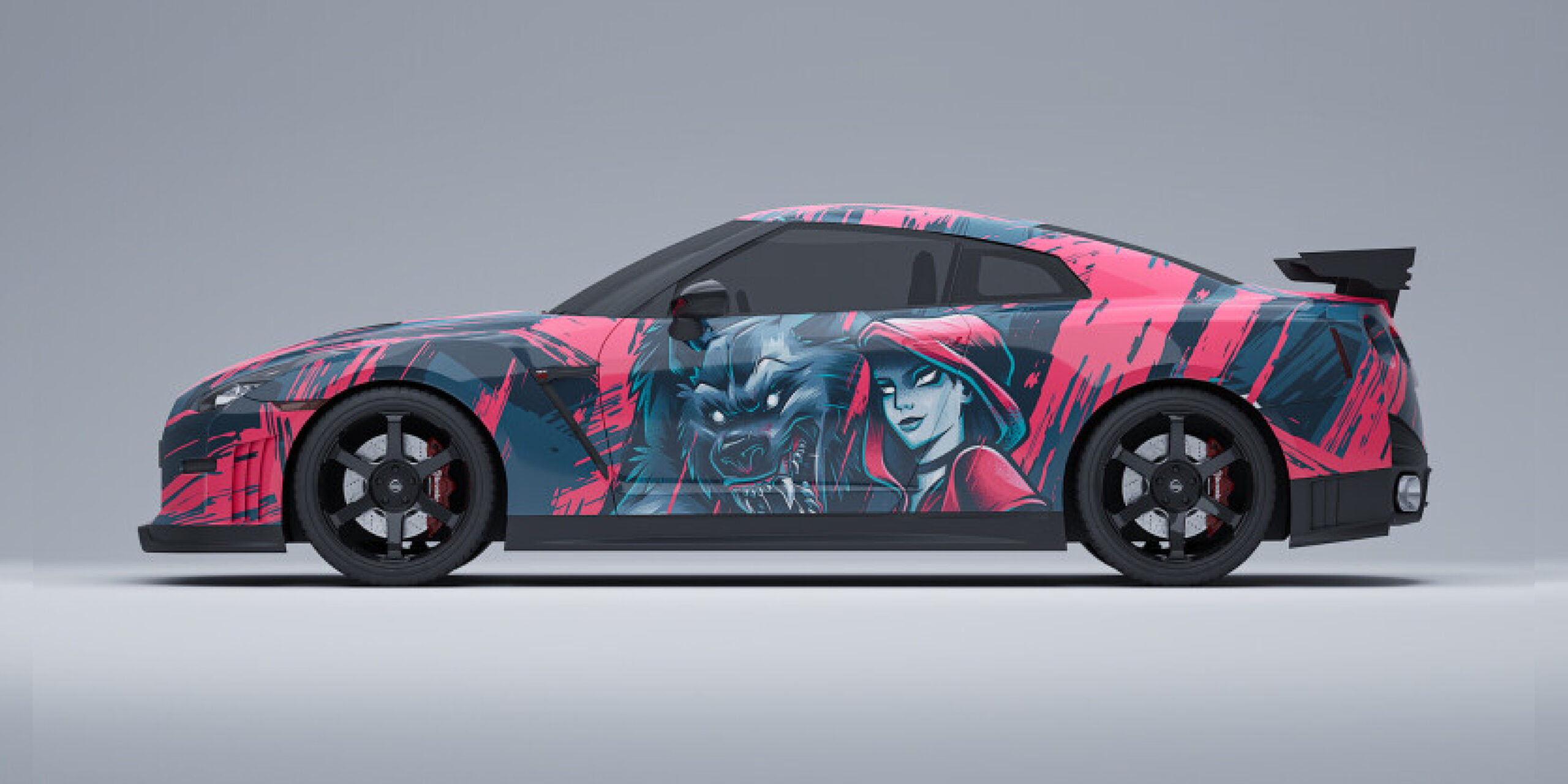
Are you thinking of revamping your old car? Jazz it up a little and give it more character? Or even make a statement about yourself with your car’s aesthetics? Then vehicle car wraps are your best choice. Car wraps are large adhesive vinyl sheets that are applied directly over the car’s original paint. They can be full wraps, partial wraps, custom graphics or printed wraps, or specialty finish wraps.
Vehicle car wraps are popularly used by small businesses for car branding. They offer protection against road debris, sun fading, and light abrasions. When they are professionally installed, they can be removed without affecting the car’s original paint. They offer limitless customisation and maintain the resale value of the car.
At Colibri Car Wrap and Detailing, we have professional, experienced installers who can make your car look brand new after installation. This blog helps you understand the things you need to know before investing in vehicle car wraps.
Understand Why You Want a Vehicle Car Wrap
Before investing in car wraps, be clear about the purpose, about the why behind your decision. People get wraps to personalise their car’s appearance. They add custom wraps that suit their personal style and reflect their personality. Some owners prefer to get wraps to preserve their car’s original paint. Wraps help preserve the vehicle’s resale value. Local businesses use car wraps for mobile advertising. The ROI on car branding is often higher than that of traditional advertising.
Old cars are revived with vehicle car wraps. It is possible to achieve a premium finish without repainting when you invest in vehicle car wraps. Wraps protect against everyday road debris. They can be used to cover minor cosmetic imperfections. Factory paint cannot deliver the colour options that are available in wraps.
Car owners get car wraps for many reasons. Identifying your purpose helps you choose the right wrap for your vehicle.
Learn About the Different Types of Vehicle Car Wraps
Vehicle car wraps have come a long way since they were invented in the early 1990s. They come in a wide variety of colours and finishes. For owners who wish to have a full makeover of their vehicle, full vehicle wraps are the best choice. For people who want to add a unique element to their car or create simple vehicle branding, partial wraps are better. When you want a simple change of colour without repainting, colour change wraps offer a wide palette of colours to choose from.
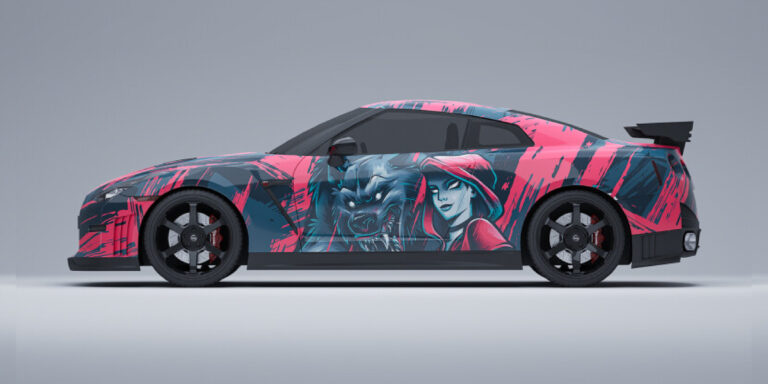
Small businesses use commercial branding wraps with enough information about the brand for potential customers. Bold car owners use printed graphic wraps to make a statement. Vehicle car wraps come in many finishes. Has a matte-finish car recently caught your attention while walking in your neighbourhood? The matte-finish wrap offers a unique style that resonates with some car owners. Gloss finishes can look just as good as factory paint. It is often preferred by conventional owners and for family cars. Satin finish falls between matte and gloss finishes. Metallic wraps are now available for those seeking a bold look. Textured and chrome wraps are used to achieve a different look.
Select the wrap based on your lifestyle.
Evaluate Whether Your Vehicle Is Suitable for Wrapping
A vehicle assessment before you invest in a car wrap is a good idea. The age of your vehicle is a good place to start. Age often influences the condition of the paint and bodywork. Years of wear, faded paint, minor dents, or repaired panels can influence the adhesion of the wrap. Vehicle car wraps work best when applied to smooth paint. If your vehicle has been repainted, assess the quality of the previous work. Cheap paints may not bond as well as factory paint.
Look for any signs of rust or corrosion. Vinyl wraps cannot stop corrosion from spreading. Applying a wrap over rust merely hides it from view. Uneven, rusty surfaces can also affect the wrap’s appearance. It is important to address the corrosion before installing a wrap. Dents, scratches, and surface imperfections are cosmetic flaws that remain visible after installation. Minor swirl marks are not an issue, but large imperfections should be repaired beforehand. The contours of modern cars have curves, deep recesses, spoilers, vents, and intricate body lines that require a high degree of precision during installation.
Old decals or previous wraps should be removed professionally before installing new vinyl. You can schedule a pre-installation inspection at Colibri Car Wrap and Detailing for a professional assessment.
Know What Influences the Overall Cost
Professional installers will provide a quote for the installation, but it is subject to change. The size of the vehicle can influence the cost. Larger cars with complex body shapes require more labour and precision. The quote is for the basic wrap material; choosing a higher-grade wrap will increase the cost.
Choosing customisation increases the cost. Printed graphics are more expensive than basic solid colour wraps. If the surface is not even and needs preparation, additional charges cannot be avoided. If the car has a wrap that needs to be removed, you will have to pay an additional charge for wrap removal. Professional installers will charge more than general detailing shops. An extended warranty coverage will cost more.
Understand the Installation Process
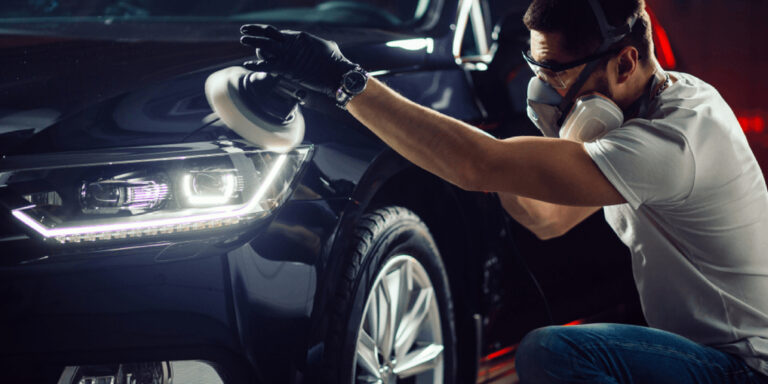
The process of installation starts with a consultation. Professional installers inspect your vehicle thoroughly to understand the labour that will be involved. Installers look out for paint defects, dents, rust, loose trim, and other issues that could affect the wrap’s adhesion. The first step is to thoroughly clean the vehicle. The surface has to be free of contaminants and dirt before applying the wrap. The exterior surface is deep-cleaned to remove embedded, stubborn pollutants that regular washing cannot eliminate. This process of paint decontamination restores a smooth, bare finish to the exterior.
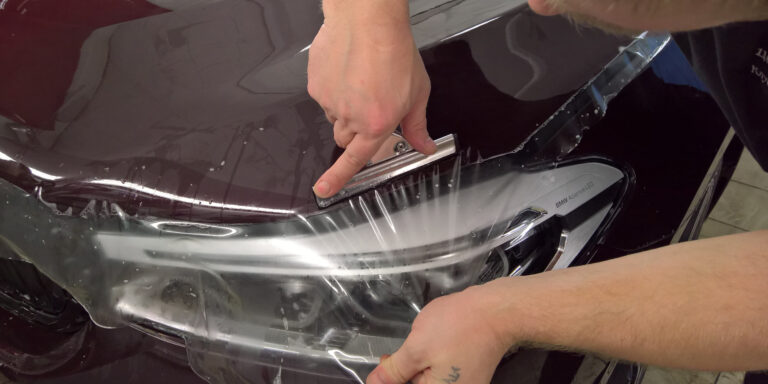
The vehicle car wrap is digitally measured and precision-cut to fit the contours and recesses of the vehicle’s body. Individual sections of vinyl are measured and positioned for each body panel. The alignment has to be precise (especially for printed graphics and commercial branding) so that patterns and designs flow smoothly. Installers use controlled heat to increase the vinyl’s flexibility while avoiding overstretching. Air pockets are removed using squeegees and other techniques. Edges and seams are finished with care. Controlled post-heating of the vinyl is done to ensure that it retains its shape. After a quality check, the vehicle is returned to the owner.
Conclusion
Vehicle car wraps are an investment in protecting your vehicle’s paint. They can be used to change the appearance of your old car, add some zest to your new car, or to make a statement about your style and aesthetics. Businesses use them for mobile advertising. They are more affordable than repainting and do not demand a long-term commitment. The average lifespan of a car wrap is five to seven years, depending on the maintenance routine.
They can be removed without affecting the factory paint of the car. They help maintain the resale value of the car. With the right vehicle car wrap, vehicle owners feel a renewed sense of ownership. Check out our website to see some of our installations and discover why our services are highly recommended in the industry.