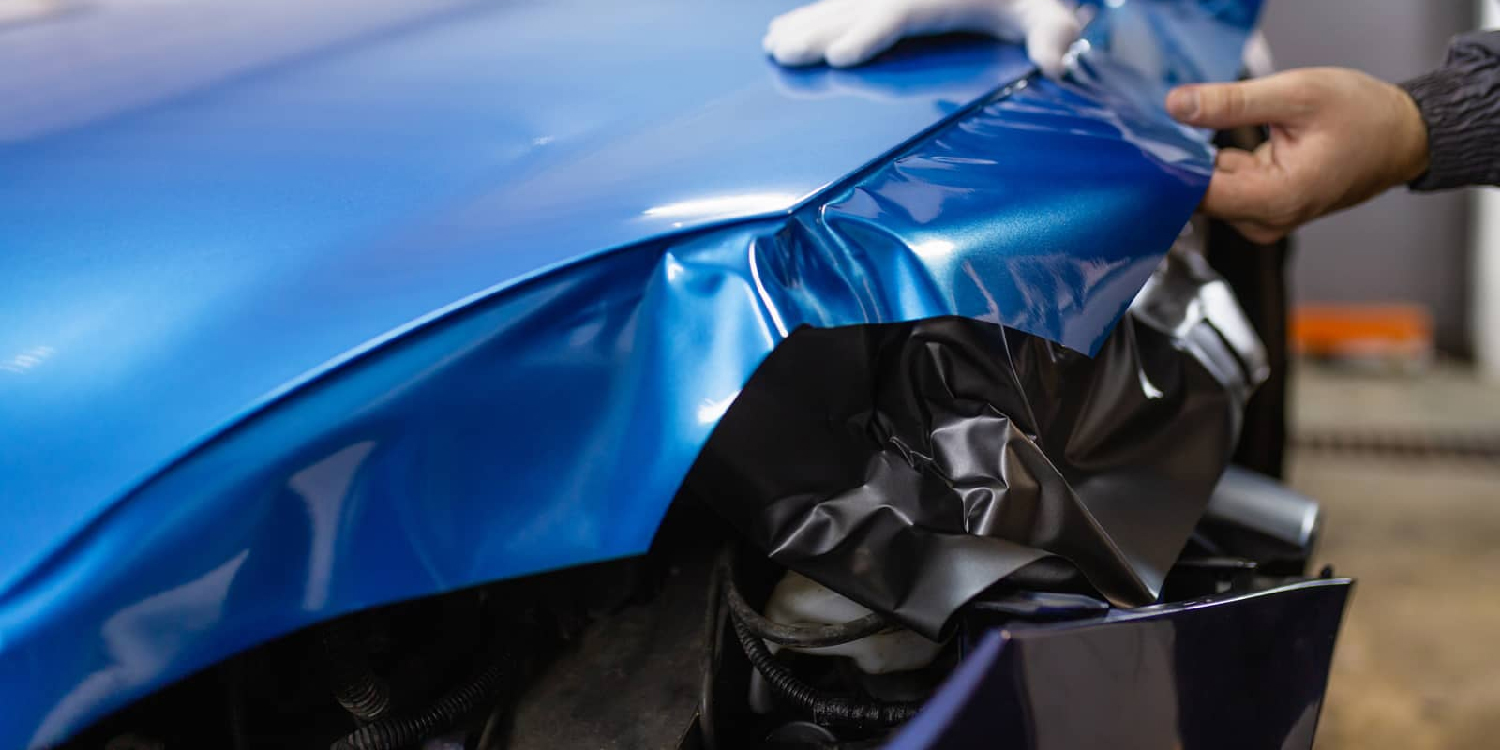
Car owners in Canada who like to change the vehicle’s appearance once in a while have the option of a car body wrap. A car body wrap can be used to change the colour of the car or dramatically change its appearance. Car enthusiasts and regular car owners have a range of options to choose from and redesign their car’s appearance. These wraps are durable and last for many years. This does not mean that they are not vulnerable to damage.
Road debris, minor scratches, parking incidents, and many other environmental factors can damage a car body wrap. When a small section of the wrap is damaged, car owners believe that the entire wrap will have to be removed and replaced. Fortunately, this is not the case. The damaged section can be replaced without removing the entire wrap. Matching the replacement to the older wrap can be challenging. This blog helps you understand when a partial repair is practical and when it is not.
Understanding What Happens When a Car Wrap Gets Damaged
A car body wrap has a protective function as well as an aesthetic appeal. It is a flexible, polyurethane vinyl film applied over a car’s original paint. It protects the vehicle from road and environmental damage. The wrap can be damaged by light scratches, scrapes, impacts, road debris, collisions, and shopping carts. The damage to the wrap can be surface-level or deeper.
Not every mark on the wrap warrants a replacement. Deeper cuts and tears in the vinyl will require the wrap to be replaced. The location of the damage determines the probability of replacement. It is easier to replace the wrap on a flat surface rather than a curved section. Damage around the seams and edges can be especially challenging to replace. Damage must be addressed to prevent dirt and moisture from getting underneath the wrap. Determining the extent of damage is the first step in deciding the extent of repair required.
When a Small Section of Vinyl Can Be Repaired
Localised damage can easily be repaired without touching the rest of the car body wrap. Small punctures caused by road debris are potential situations for small replacements. Minor cuts and shallow scratches that are isolated can be treated without replacing the entire panel. Even small localised tears can be repaired, provided they have not spread over the entire panel.
At a professional car detailing shop, the damaged section is removed and replaced with a matching piece of vinyl. This work requires a certain degree of precision to make the right fit. Proper positioning of the repair area makes the transition less noticeable. The repair is easier when the surrounding area remains firmly bonded to the surface. A professional assessment of the damage can help you understand the real picture. Sometimes, what looks like a surface issue may involve hidden damage.
Can a Single Car Panel Be Rewrapped Instead?
The advantage of a car body wrap is that when a part is damaged, it is possible to replace the damaged part without removing or replacing the rest of the wrap. For example, a damaged door, fender, hood, or bumper can be wrapped individually. The vinyl over the damaged panel can be removed, and the panel cleaned and readied for a fresh installation. This can be done without touching the rest of the car body wrap. Panel replacement is useful when a large section is damaged. It helps to create a uniform appearance.
The amount of vinyl required depends on the shape and size of the body panel. If the damage is extensive, a complete panel replacement is recommended. Replacing a single panel is more economical than replacing the entire car body wrap. The final finish depends on how well the new vinyl matches the existing colour, texture and finish.
When a Car Body Wrap Repair May Not Be Possible
Extensive damage to the wrap cannot be easily repaired with a simple spot repair. Large tears of the vinyl or multiple damaged areas on the same panel can make it difficult to patch up. In minor collisions or impacts, severe distortion or stretching of the wrap can make it difficult to repair. If the vinyl has lifted significantly, it makes repair challenging.
Sometimes, damage to the adhesive can prevent the new patch from bonding properly. If there is extensive bubbling, it is a broader issue and not just one defect. If a collision has damaged the wrap and the body of the vehicle, the body has to be repaired, and the surface evened out for proper car body wrap installation.
If the damage is widespread, it is better to replace the entire panel or, in extreme cases, the entire wrap.
How Professionals Repair a Damaged Car Body Wrap
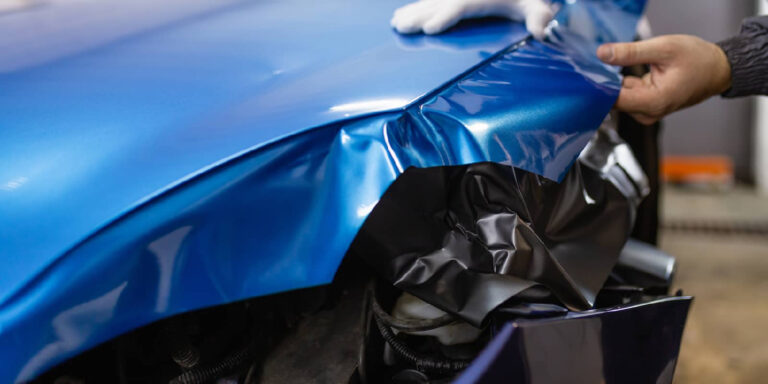
At car detailing shops, a professional inspects the vehicle thoroughly. A visual inspection of the damaged area and the surrounding vinyl helps determine whether the problem is a tear, scratch, puncture, or lifting edge. The damaged area is cut out with a precision blade and carefully cleaned. Installers are careful to cut out only the compromised section. Care is taken not to disturb the vehicle’s original paint while removing the damaged part. A car body wrap bonds better to a smooth surface, so the exposed surface is examined for any damage or contamination.
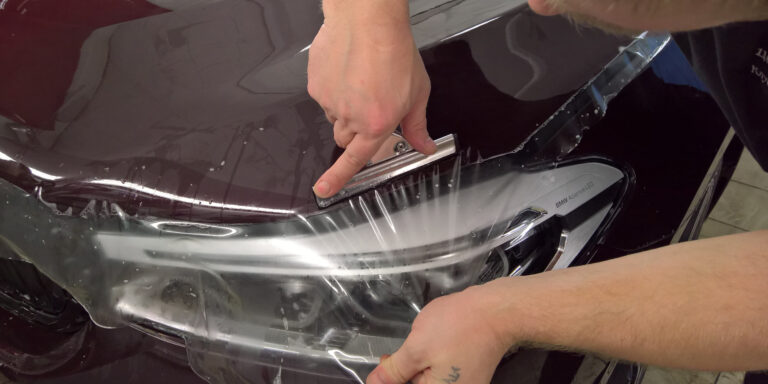
While applying the replacement, heat is used to help the vinyl adhere better to the car’s contours. The edges, seams, and curves are finished well for a smooth appearance.
The Importance of Matching the Replacement Vinyl
A car body wrap comes in various finishes. It can be gloss, matte, satin, metallic, or textured. It is important to find the right replacement vinyl to achieve a smooth finish. Prolonged exposure to sunlight can gradually change the wrap. Weather exposure can also change the wrap finish. The new wrap has to blend with the old.
Textured finishes and metallic or colour-shifting wraps can be especially difficult to patch up. Professional detailers inspect the damage and recommend whether a section can be replaced or if the whole panel has to be replaced.
What About Scratches, Scuffs, and Surface Marks?
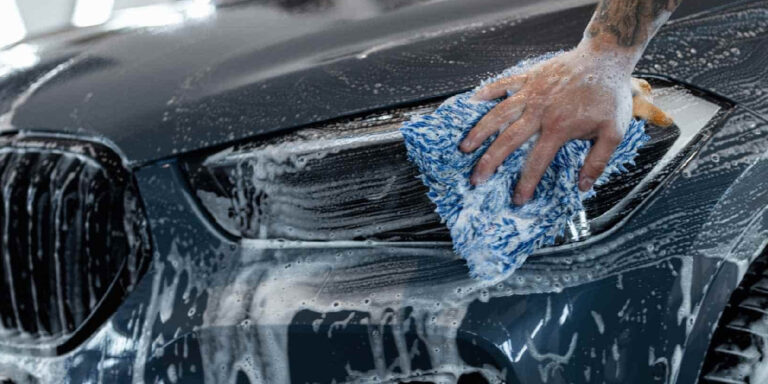
A car body wrap does not require much maintenance, but every scratch does not need the entire car body wrap to be replaced. Avoid aggressive rubbing and polishing of the wrap surface. A professional cleaning can reveal if the wrap is damaged or not. Deep scratches that expose underlying paint will require replacement.
Conclusion
A damaged car body wrap does not necessarily mean that the entire wrap has to be replaced. Often, isolated damage such as a scratch, puncture, or tear can be spot repaired or managed with a partial vinyl replacement. If the damage is concentrated on a panel, replacing the panel is an alternative to replacing the entire wrap. At Colibri Car Wrap and Detailing, we ensure that the colour, texture, and finish of the replacement match the original wrap.
It is advisable to address lifting edges and tears early to prevent them from becoming larger. Most often, minor damage to a car body wrap is easily repaired without rewrapping the entire vehicle. Professional installers can give you a proper assessment before you take a final call on the kind of replacement your vehicle needs.