Your car is your pride. It is an investment that saves time on the commute. You take it to the car wash once every six months and believe that it is well cared for. But is it? A simple handheld vacuum can remove the visible debris in the cabin, but what about the invisible contaminants? The exterior of the vehicle can be cleaned in a car wash, but what about the embedded contaminants? That is the difference between a regular car wash and professional auto car detailing.
Professional auto car detailing thoroughly cleans, sanitises, restores, and protects the vehicle’s exterior and interior. A regular car wash removes visible dirt and grime. It does not restore or protect the vehicle over the long-term. This blog explains the signs that indicate it is time to take your vehicle for auto car detailing.
Sign 1: Your Paint Has Lost Its Shine
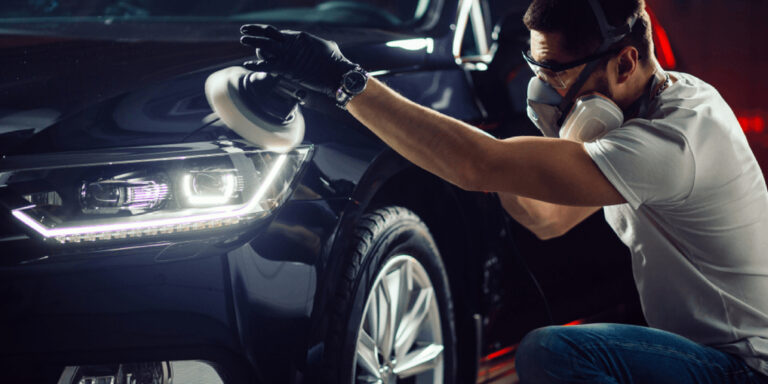
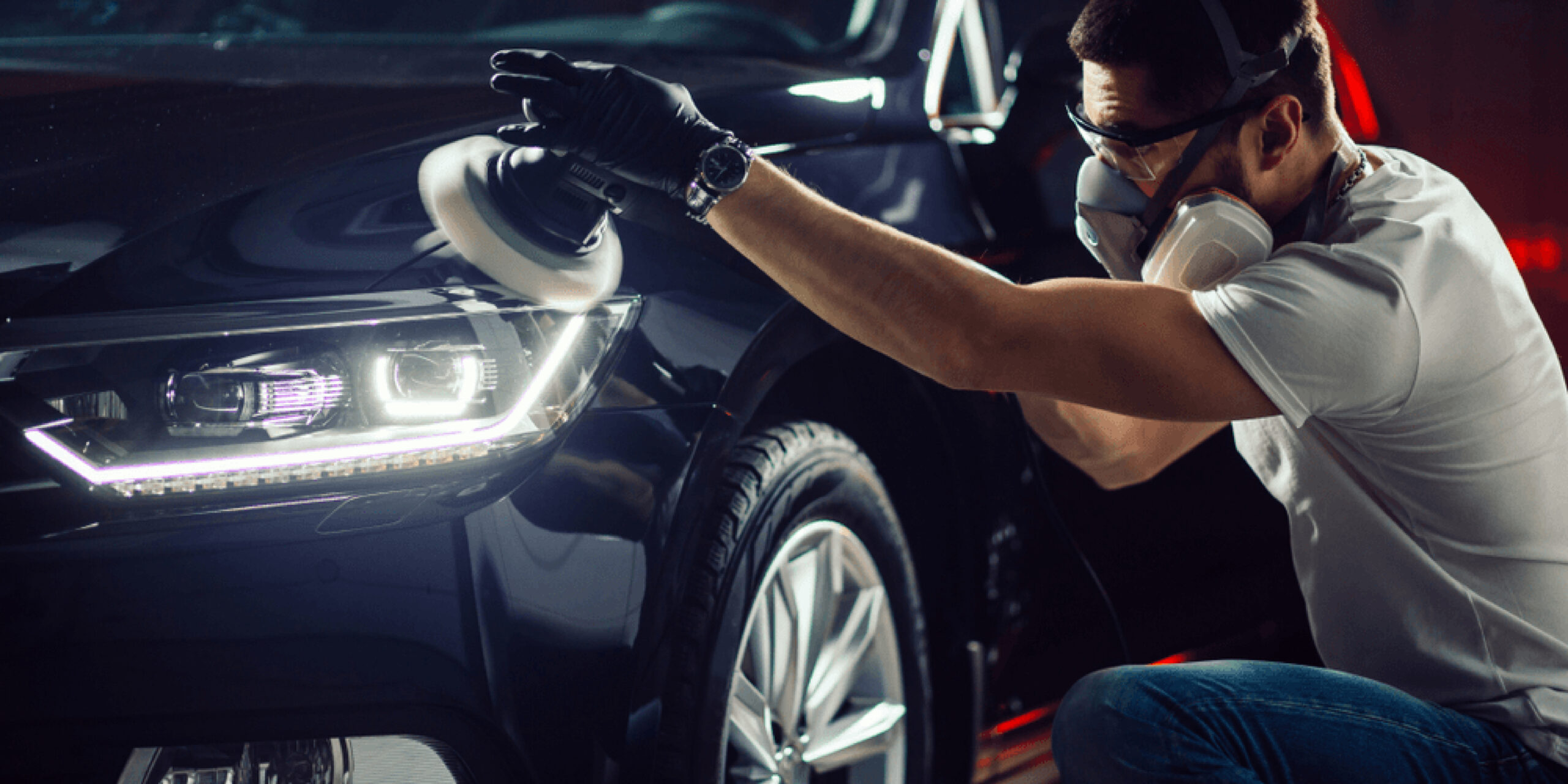
The shine of your vehicle depends on the smooth surface that reflects light evenly. Minor scratches can disrupt the smooth surface and reduce its shine. Even after washing, the shine cannot be restored. Overexposure to the sun causes the vehicle’s paint to oxidise. Oxidisation of the paint can make the car look older than it is.
Canadian winters can accelerate paint wear. In winter, road salt is inevitable. It can keep the roads safe for driving, but road salt leaves residues that damage the clear coat. Road salt can cause rust on the body and undercarriage. UV rays can cause fading of the paint. Sometimes, improper washing techniques create microscopic scratches by dragging the dirt across the body. Driveway washes cannot restore the gloss of the vehicle. Professional auto car detailing removes the embedded contaminants. Detailers assess the paint condition properly and revive neglected surfaces.
Sign 2: Water No Longer Beads on the Surface
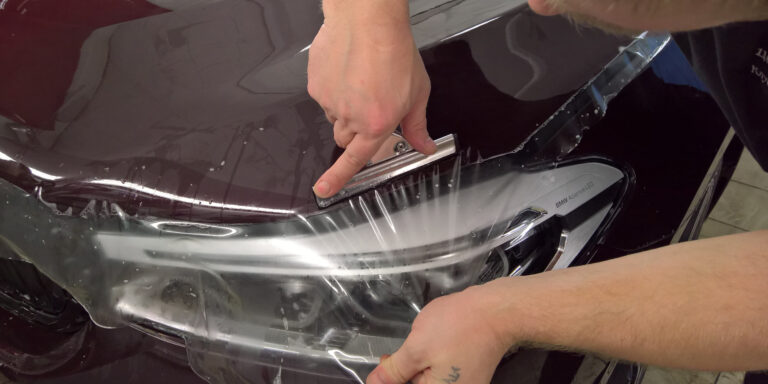
When water droplets spread flat on the clear coat instead of forming droplets, you know it is time to take your car for auto car detailing. Paint protection film and wax have hydrophobic properties that repel water. Once water falls on the surface, it rolls into beads and slides off the surface. The water droplets carry loose dirt and keep the exteriors looking clean.
When the protective coating becomes vulnerable, rainwater sticks to the surface and leaves marks behind. Snow and slush will cling to the surface during winter. The exterior accumulates dirt faster. Paint chips leave the surface vulnerable to rust. Drying the vehicle becomes more difficult when the clear coat is compromised. Professional auto car detailing reapplies protective coatings and restores the finish.
Sign 3: Your Car Still Looks Dirty After Washing
Stains seem to remain after repeated washing. Some contaminants are embedded and difficult to remove. Iron particles can bond to paint surfaces. Tree sap can be resistant to regular soap and difficult to wash away. Bug splatter leaves residue that remains on the surface even after washing. Hard water spots leave visible marks on the paint. Industrial fallout plagues urban drivers.
Stubborn contaminants can be hard to remove. Clay bar treatment targets stubborn contamination. Touchless washes cannot remove all the dirt and grime. Professional car detailers use specialised products that deliver better results than consumer products.
Sign 4: The Interior Has Developed a Permanent Smell
Mysterious odours inside the car are a sure sign that your vehicle needs auto car detailing. Most of the time, people use air fresheners to mask odours. However, the odours are only masked temporarily. Detailers focus on removing odours at their source.
Coffee spills can leave lingering odours. Wet winter boots carry moisture into the cabin that causes musty odours. Food crumbs accumulate over time and cause unpleasant odours. Pet hair traps odours in fabric. Mold develops in damp conditions, and the odours circulate in the cabin. The air vents in the car hold hidden contaminants. The seat fabric absorbs and retains odours. Most home cleaning products only mask the odour and do not eliminate it.
Sign 5: Stains Have Taken Over the Interior
When stains are ignored, they become permanent. Regular cleaning products cannot remove stubborn stains. Salt stains are common after Canadian winters. Morning coffee can spill onto the seat and leave permanent stains. Family cars can be the biggest casualty of weekend trips and long journeys. Children’s spills can soil the interior and leave stains.
Regular spills can change the colour of the fabric. Scrubbing the stains can cause fabric discolouration and spread the stain. Carpets trap dirt below the surface. Leather upholstery can develop dark patches over time. Car detailing removes deep contamination. Clean interiors maintain the vehicle’s value.
Sign 6: You Can Draw Shapes in the Dust on Your Dashboard
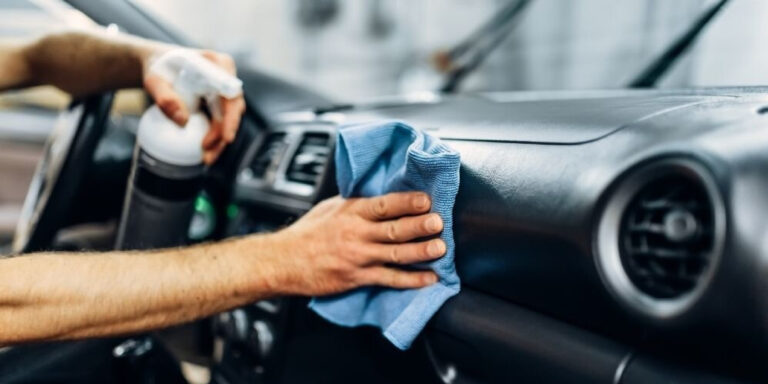
Dust settles inside the car gradually. It dulls the interiors. Dust accumulates in the vents and crevices unnoticed. Passengers know of its presence only when allergies are triggered or aggravated. Canadian spring brings a new contaminant into the picture– pollen. Pollen accumulates in the interior and causes allergies.
Electronics in the car invite dust naturally. The dashboard material can also attract dust. Interior detailing deep cleans the interior, even the hard-to-reach areas that are often overlooked.
Sign 7: Pet Hair Has Become Part of the Upholstery
Pet owners know the struggle of keeping the house and car clean. You wonder how they have so much hair on their furry bodies when they shed so much. Pet hair embeds into the fabric. Vacuuming with regular machines can miss stubborn strands. It is difficult to remove hair from the seat seams. One consequence of pet hair trapped in the interior is that it also traps odours.
Auto car detailing shops use specialised detailing tools to remove the contaminants. Pet-friendly families use vehicles heavily. Clean interiors make the vehicle more welcoming.
Sign 8: Salt Residue Is Showing Up Everywhere
Canadian winters can be brutal on vehicles. Road salt is everywhere, including on and in your car. Salt accumulates on paint and wheels. Salt is the main cause of corrosion. It attracts moisture on the undercarriage. The undercarriage is often the most neglected part of the car. Wheel wells collect heavy buildup.
Salt damage can lead to expensive repairs.
Sign 9: Your Wheels Look Older Than the Rest of the Vehicle
Wheels face constant road exposure. Brake dust accumulates on the wheels and tire sidewalls. Salt and grime bond to surfaces. These contaminants cause corrosion and require specialised cleaning.
Dirty wheels affect the overall appearance of the vehicle. Protective coatings can help protect the wheels and maintain their appearance. Car detailing dresses the tires and cleans the wheel wells. Most people underestimate the wheel condition. But professional detailers treat wheels as an integral part of the vehicle.
Sign 10: You’re Embarrassed When Someone Asks for a Ride
When the party breaks up and you hurry off before anyone can ask you for a ride- you know it’s time to take your car to the auto car detailing shop. Or when someone gets in your car, and you have the “don’t look in the back seat” feeling. You know first impressions matter. Clutter tends to accumulate gradually. It can also reflect deeper cleanliness issues.
A clean vehicle feels more inviting. Car owners feel more confident after detailing.
Conclusion
Auto car detailing has many benefits. If you haven’t tried auto car detailing before, this blog highlights 10 signs that indicate it is time to take your vehicle to a professional detailer. Winter salt, spring mud, summer road trips, and autumn leaves can all affect your vehicle. Car detailing helps restore and protect your vehicle while maintaining its resale value.
At Colibri Car Wrap and Detailing, we offer premium services for your vehicles. We use high-quality products and specialised tools to clean, restore, and protect your vehicle. Visit us to learn more.