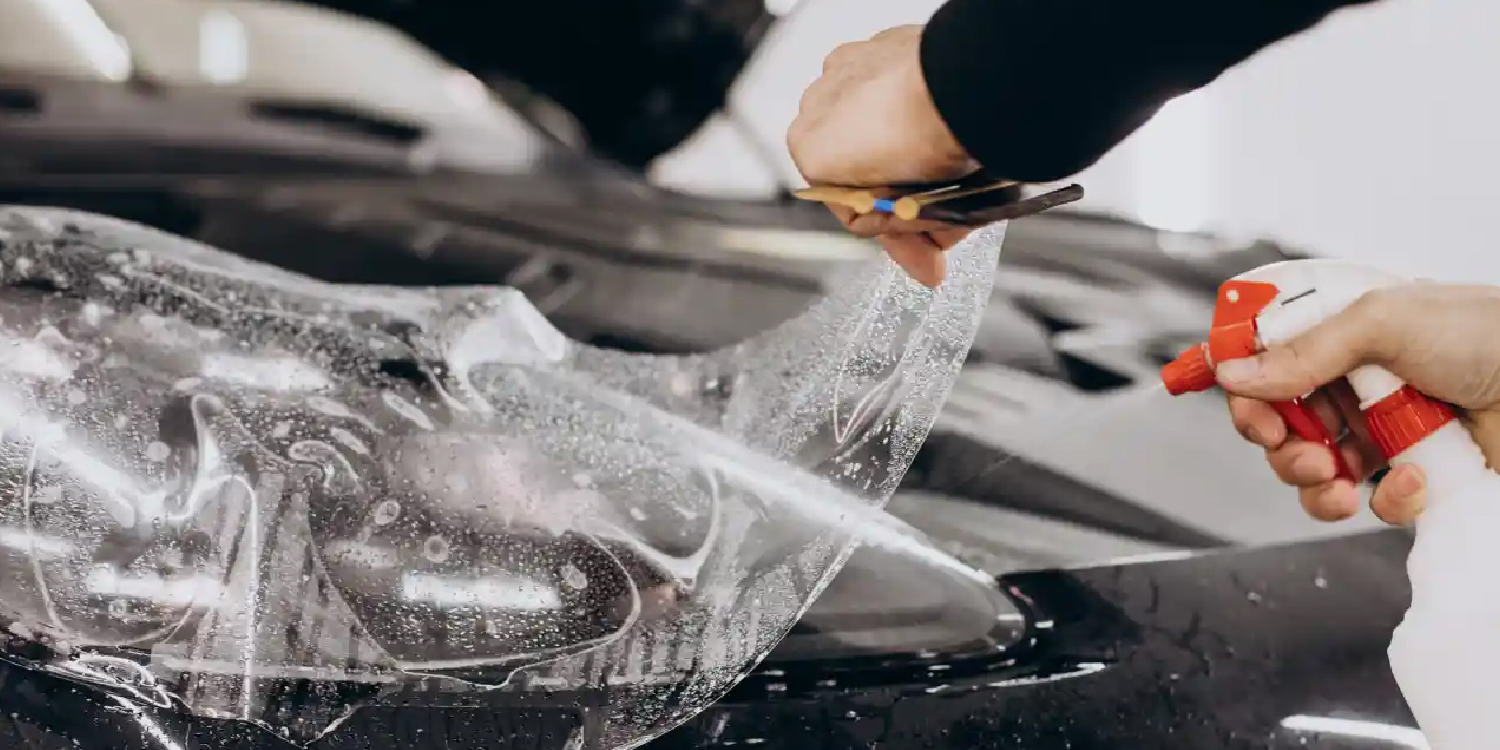
Buying a new car is a big investment. It is exciting, and you want to take good care of your investment. You want to preserve the factory paint and avoid parking in tight parking spots. You are aware of every stone flying up from the road and try to be careful. Unfortunately, no matter how carefully you drive, your car’s paint is constantly exposed to road debris, gravel, insects, bird droppings, harsh weather, and everyday driving hazards. This is where paint protection film, or PPF, can become a practical option.
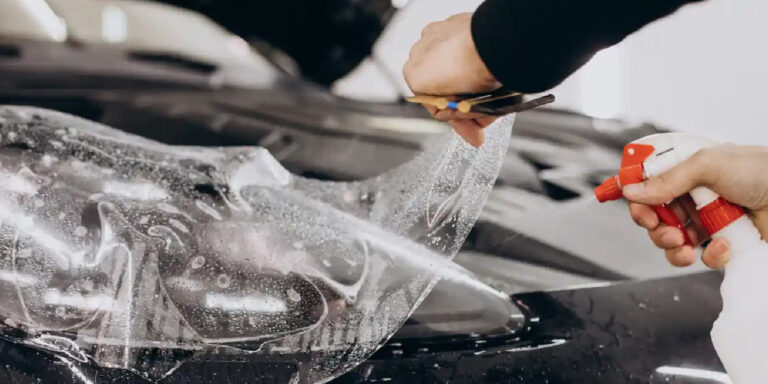
Installing paint protection film protects your vehicle from environmental damage. It is better to have it installed than to wait until your vehicle is covered in stone chips and scratches. Installing paint protection film protects vulnerable painted surfaces.
But the question is, “Does every car need PPF?” Many factors, such as your driving habits, vehicle age, and paint condition, influence the decision to install paint protection film. This blog serves as a guide to recognise the signs that your car may be a good candidate for paint protection film.
You Drive on Highways and Gravel Roads Frequently
Highway driving is great for the driver, but not that great for the vehicle. The speed allowance on highways is higher, and vehicles travel at considerable speed. The impact of a flying chip striking a vehicle travelling at a low speed and one striking a vehicle travelling at high speed is different. A car travelling at high speed suffers more damage from the same stone chip because of the greater force. The front end of the vehicle receives the majority of the impact. Bumpers, hoods, and mirrors are particularly vulnerable.
Construction zones and gravel roads are always a threat to the car’s paint. Highway driving repeatedly exposes the car to road debris. Damage is clearly visible on dark-coloured cars. Car owners who do not want the entire body of the car wrapped can opt for partial protection film. Partial paint protection film can protect high-impact areas.
Your Car Is Brand-New or Has Excellent Original Paint
A new car is often the best candidate for paint protection film. Owners who like to maintain the factory finish of a new vehicle should invest in paint protection film. This film acts as preventive protection. It is better to be proactive and protect the paint instead of investing in paint protection film as a repair for damage.
Preserving factory paint helps maintain the resale value of the car. Small imperfections are conspicuous on new cars. PPF serves as overall protection for the car. Car owners can choose to install paint protection film based on their usage.
Your Front Bumper and Hood Are Already Collecting Stone Chips
Visible paint damage on the vehicle is an indication that there is a pattern of damage, and paint protection film can help protect the car. The front bumper is a high-impact zone. The position of the front bumper renders it vulnerable to debris. The horizontal surface of the hood has more surface area exposed to flying particles.
If there are signs of damage on the vehicle, the vehicle needs to be properly assessed and prepared. Touch-up repairs can address existing paint chips. PPF is primarily used as a preventive film to protect cars from damage.
You Drive Your Car Every Day
If you use your car daily, you expose your vehicle to damage more frequently than if you are only a weekend driver. The damage of daily driving compounds over time. Driving in the city poses different risks, such as tight parking spaces, road construction, and congested traffic. Even if the daily commute is not for long distances, commuters cannot avoid route conditions.
Daily driving exposes the vehicle to insects and environmental contaminants. Front-facing areas are especially vulnerable to environmental damage. Using paint protection film partially on the car can protect the front-facing areas. Full coverage can protect the vehicle from gravel and debris exposure. The usage pattern serves as a guide for choosing the level of protection required.
You Regularly Drive in Harsh Canadian Weather and Road Conditions
Driving in Canada exposes your vehicle to harsh weather conditions. Road salt in winter is inevitable. Road salt can contain loose grit and debris. It is also highly corrosive. After a harsh winter, spring is when paint damage often becomes more visible. Paint damage becomes visible in spring. The freeze-thaw cycle in Canada deteriorates roads, causing loose debris.
Road construction is another source of road particles. Drivers in Canada experience multiple road conditions in a year. Paint protection film can be your year-round paint protection solution.
You Plan to Keep Your Car for Many Years
If your investment is something you plan to keep for years, maintaining it in its best shape should be your priority. Investing in paint protection film protects your vehicle for years. Regular driving cumulatively contributes to damage. Maintaining the appearance of the vehicle is important for long-term use. The original paint can fade and oxidise over time. Installing PPF earlier helps prevent the deterioration of paint.
Paint protection film helps prevent major paint repairs because of accumulated damage. It can also be paired with other protective treatments to maintain the appearance of the car. Coverage can be selected based on the expected future usage.
You Care About Preserving Your Car’s Appearance
Owners who take pride in their vehicle invest in maintaining the cosmetic appearance of their vehicle. A well-maintained vehicle reflects the owner’s investment. Most car enthusiasts are particular about the paint condition. Luxury and performance cars are expected to have a great finish.
PPF gives owners confidence to drive their vehicle without worrying about minor damage. At Colibri Car Wrap and Detailing, we offer professional consultation so that owners can decide if they want full coverage or partial coverage.
Your Car Already Shows Signs of Paint Wear
Faded areas on the exterior indicate wear from environmental exposure. Multiple chips on the paint reveal where the vehicle is most vulnerable. High-contact areas reveal light scratches. If there is existing damage, paint correction may be necessary before installing paint protection film. Damaged panels need repair and preparation before proceeding with PPF.
You Are Planning a Road Trip or Major Increase in Driving
Long trips increase exposure to road debris. Highway driving exposes the vehicle to front-end impacts. Unfamiliar routes can include construction zones and gravel areas. Installing PPF before you undertake a long journey is a proactive way to protect your vehicle from road damage. This is especially true for new vehicles. Even a partial installation on high-risk zones can protect your vehicle. Prevention is always better than repair.
Conclusion
Paint protection film does not only cater to the vanity of car owners. It can provide an added layer of protection against everyday paint damage. Your driving habits and usage dictate whether you should invest in paint protection film. Canadian road conditions are not easy, and car owners can benefit from paint protection film. Daily commuting, highway driving, existing stone chips, long-term ownership, and pride in ownership are signs that PPF is worth considering. Owners have the option of partial or full coverage. The condition of the paint, type of vehicle, and usage should be considered before installation. If you are looking for installers in Toronto, visit Colibri Car Wrap and Detailing for the best services.