Paint protection film (PPF) is not a one-size-fits-all. Some drivers may wonder, ”Why do I need paint protection film for my car?” Drivers in countries with varying driving conditions are unsure whether paint protection film is worth the investment. The benefits of paint protection film are determined by lifestyle, climate, and driving habits.
Daily commuters face different risks compared to long-distance highway drivers. Daily commuters travel short distances, and their car is exposed to fewer environmental elements. Highway drivers have long distances to cover, and their vehicles must endure different terrains and weather conditions.
If you want to protect your car with paint protection film, but are unsure if PPF matches how you use your vehicle, read on.
Understanding the Different Challenges of City vs Highway Driving
City Driving Condition
Most of us are familiar with the hassles of city driving. Heavily congested traffic that moves at a snail’s pace is a given, especially in bigger cities. The biggest challenge is finding parking spaces. Sometimes, you may have a challenging time parallel parking in city areas, and sometimes you may have to wait in line in busy shopping malls to secure a spot. When driving on busy roads, the proximity to other vehicles is unavoidable. Close shaves with bikes, pedestrians, and delivery scooters mean constantly watching out for scratches on your car’s paint. Frequent road construction in growing Canadian cities such as Toronto, Vancouver, and Calgary can affect the car’s paint surface. Debris and grime from buses and trucks due to proximity can dull the paint.
In densely populated cities, there is always a higher probability of minor contact or accidental scraping.
Highway Driving Condition
The speed limit on highways is higher. With high-speed travel, the force of impact from stones and road debris is greater. Your car is exposed to frequent road repairs and gravel patches. Harsh weather conditions do not spare your paint. Exposure to highway salt, insect splatter, tar, and sand can damage or discolour the paint. On long drives, your car is exposed to sustained weathering from the sun, rain, snow, and bird droppings.
Passing trucks can kick up pebbles and ice chunks that can damage your paint.
Real Risks to Vehicle Paint in City Driving
What are the real risks to vehicle paint in city driving? Let’s explore the differences in city driving and highway driving.
Parking poses many challenges in cities. Simple parking in a shopping mall can carry the risk of a discarded shopping cart scraping your car. Condos have tight parking spaces that pose risks of bumping into another vehicle or other elements. Sometimes, a careless door opening can damage your paint. When parking on streets, footpath scrapes and pole brushing can be hazardous.
An enthusiastic cyclist or e-scooter may get too close and accidentally scratch the side panels of your car. In slow traffic, minor bumper contacts happen, especially when the driver is not focused or tired. City pollution, grime, and brake dust create micro-abrasions during washing that can dull the paint over time. There is a higher risk of vandalism or graffiti in congested neighbourhoods.
A paint protection film protects even the most vulnerable zones (door edges, bumpers, rear trunk loading area, side mirrors, and front hood). Swirl marks caused by washing can self-repair with the new paint protection films that have self-healing properties.
Real Risks to Vehicle Paint in Highway Driving
Vehicles on the highway run the risk of stone chip hits from gravel trucks and broken pavement. It is often difficult to remove insect stains and tar quickly while driving on highways, and they can get etched into the clear coat.
Salt used on highways in Canadian winters ensures safety, but it accelerates corrosion and clear coat damage. Any impact damage is more severe when travelling at high speeds on highways. The extreme weather exposure during long summer drives can dull the paint. Rural and country roads pose a risk of mud and sand abrasion.
A full-front or full-body paint protection film is the best way to protect your vehicle for road-trip enthusiasts, truck drivers, SUV owners, and weekend travellers.
City vs. Highway – Where Does Paint Protection Film Deliver the Biggest Value?
Let’s compare the two.
In Cities
Drivers in cities know that minor scratches and swirls on the car are unavoidable. With a paint protection film in place, the surface can self-repair this kind of damage. Paint protection film costs much less than a repainting job, and this investment can save you from spending thousands on repainting later. For drivers who like to upgrade often, paint protection film increases the resale value of their vehicles. The car will look visually new for longer.
Paint protection film is ideal for family cars, sedans, and compact SUVs. Partial paint protection film packages (front bumper, mirrors, door handles, and trunk guards) are available, and sometimes these may be sufficient.
On highways
Paint protection films are beneficial to highway drivers. Minor damage caused by stone chips will be minimised by a paint protection film. Long-distance vehicles such as pickups, campers and adventure SUVs will find paint protection films particularly useful.
PPF protects vehicles from weather-related paint deterioration. For these kinds of vehicles, full-front or full-body PPF is strongly recommended.
Canadian Climate Makes PPF More Valuable
Winter salt roads cause corrosion and paint breakdown. After the snow melts, these stone-filled roads are a challenge. In summer, UV rays dull the colour of the paint. The extreme temperature fluctuations can eventually damage the clear coat. Canadian road construction poses the risk of loose gravel that can mark the car’s surface.
Drivers in Canada face all seasons, unlike many other countries. A paint protection film is the best way for car owners to protect their vehicles.
How to Choose the Right PPF Package Based on Driving Style
Deciding on the right paint protection film package is easy. It largely depends on your driving style. Commuter cars can opt for a city protection package. Road trippers and pickup trucks need a full-front package to mitigate the risk. Luxury car and sports car owners should invest in a full-body wrap to protect their vehicles. Matte paint owners choose matte PPF. This prevents uneven touch-ups. For people who use leased vehicles, paint protection films help prevent end-of-lease penalties.
In Conclusion
City drivers and highway drivers benefit from investing in paint protection film in different ways. Drivers need to consider driving habits rather than price while deciding what kind of paint protection film they wish to invest in. Paint protection film is an investment in long-term value and protection. It helps maintain the look of the car and its value. Drivers can drive safely knowing that any minor scratches and swirl marks will not damage their paint.
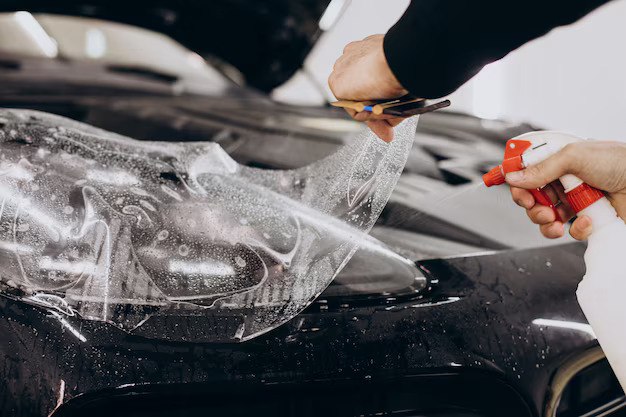
The installation of paint protection film must be done by professionals for a smooth and lasting finish. At Colibri Car Wrap and Detailing, we have experienced professionals who ensure that your car is protected and safe. Book a consultation and visit us to learn more.