Ever seen a car that made you do a double-take? Not because of its make or model, but because of its eye-catching colour, bold graphics, or sleek matte finish. Chances are, it isn’t a fancy paint job but a vehicle car wrap!
Whether you’re looking to advertise your business, flaunt your style, or protect your car’s paint, vehicle car wrap is one of the coolest (and most creative) ways to transform your ride. It is easier and more economical than getting a fresh paint job if you are thinking of giving your car a makeover.
Both vehicle car wraps and paint jobs can transform your car’s appearance and give it an instant new look. In this blog, we’ll compare these two popular ways to transform your vehicle’s look: vehicle car wraps and paint jobs. We’ll break down the pros and cons of each to help you decide which option is the best fit for your style, budget, and needs.
Overview: What is Vehicle Car Wrap vs. a Paint Job?
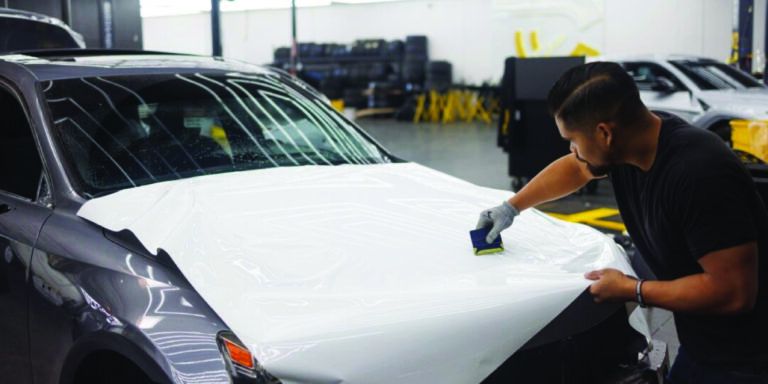
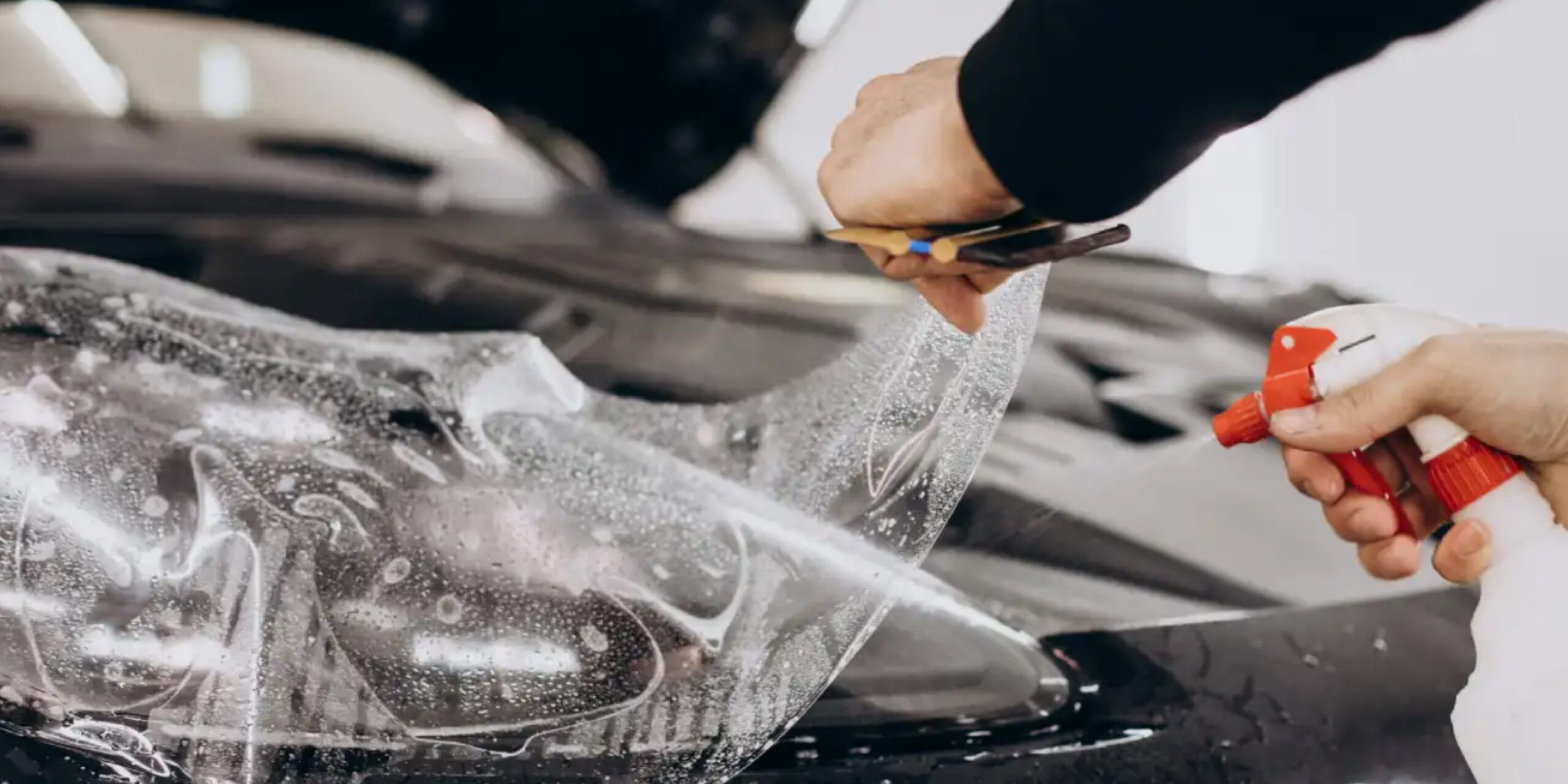
A vehicle car wrap is a process of covering a car, or parts of it, with a large vinyl sticker to change its appearance. The process involves applying a thin, adhesive vinyl film to the exterior of a vehicle. This film can be used to completely change the vehicle’s colour, add graphics, or apply a protective layer. Wraps are available in a wide variety of colours, finishes (gloss, matte, metallic, etc) and can be customised with unique designs.
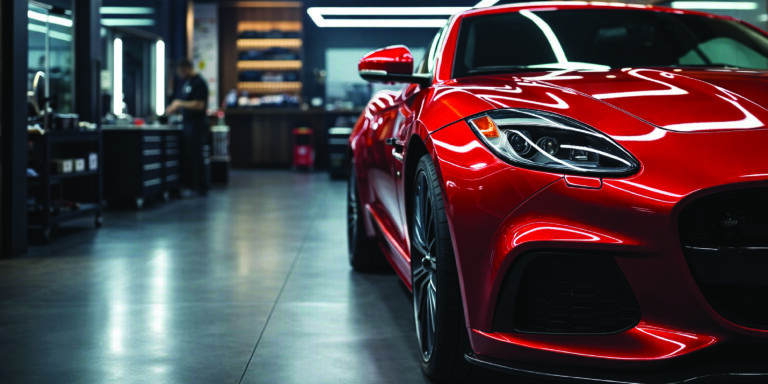
A modern car paint job involves a multi-stage process that includes preparation, applying multiple layers of paint, and finally a protective clear coat to achieve a flawless, durable finish. The process begins with stripping the old paint, repairing any bodywork (dents and rust), and then applying primer for paint adhesion. Multiple coats of base colour are then applied, followed by a clear coat. Finally, it is polished to enhance the shine and protect the paint.
Vehicle car wraps and paint jobs each serve different purposes depending on the goal. Vehicle car wraps are popular for commercial branding. They transform vehicles into moving billboards with logos, contact info, and eye-catching designs. They’re also great for custom aesthetics, offering unique finishes like matte, chrome, or graphic prints without altering the original paint.
On the other hand, paint jobs are preferred for restoration projects, especially for classic or damaged cars that need a long-lasting, factory-finish look. While wraps offer flexibility and fast results, paint jobs provide permanence and authenticity.
Cost Comparison
When deciding between a vehicle car wrap and a paint job, cost is often a major factor. Both options can vary widely in price depending on several factors such as the size of the vehicle, the quality of materials used, the complexity of the design, and the level of professional labour involved.
High-quality paint jobs (especially those using multiple coats, custom colours, or special finishes) can be quite expensive. The more detailed the work, the better the materials, the higher the cost. Luxury or high-quality paint jobs require extensive surface prep, priming, and multiple layers of paint and clear coat, all of which add to the overall price.
Vehicle car wraps, on the other hand, generally fall into a lower cost range, although premium wraps with custom designs or finishes can still be pricey. Vehicle car wraps are often more cost-effective because they involve less labour and take less time. They also allow for complex, colourful graphics.
Vehicle size also matters: wrapping or painting a small sedan will cost significantly less than a large SUV, truck, or van. Whether you choose a wrap or paint, your final price tag depends on quality, customisation, and attention to detail.
Durability and Longevity
The average life span of a vehicle car wrap is 2-7 years. A good paint job can last more than 10 years, but may need touch-ups and protection.
Both are susceptible to wear and tear because of the climate. Maintenance and usage are also detrimental to the durability and longevity.
A ceramic coating applied over a vehicle car wrap or paint job serves as an extra layer of protection.
Customisation Options
When it comes to transforming the look of your vehicle, both paint jobs and car wraps offer exciting possibilities—each with its own strengths and limitations.
A traditional paint job provides a classic, permanent finish that’s hard to beat in terms of depth and smoothness. With a wide range of colours and high-end options such as metallic and pearl finishes, paint can give your car a sleek, polished look. However, once it’s done, changing the colour or design later can be costly and time-consuming. Paint is ideal for long-term style or full restorations.
On the other hand, vehicle car wraps have revolutionised car customisation. Wraps come in a vast variety of finishes, including matte, gloss, chrome, and even colour-shifting films that change appearance with the light. There are also textured wraps such as carbon fibre or brushed steel, offering a unique, modern feel. Best of all, wraps are temporary and removable.
Vehicle car wraps are useful for businesses. Partial wraps or printed graphics can showcase logos and contact info, turning company vehicles into moving advertisements.
Maintenance and Care
Vehicle car wraps are generally easier to clean—there’s no need for waxing or polishing to maintain their shine. A simple hand wash with mild soap and water is usually enough to keep them looking fresh. However, abrasive sponges or automatic car washes with stiff brushes can damage the vinyl surface.
Paint, on the other hand, can handle a bit more aggressive care. It can be waxed, polished, and buffed to restore shine and remove light scratches. It is, however, prone to chipping, fading, and scratching.
One of the major advantages of vehicle car wraps is the ease of replacing damaged sections. With paint, even a small repair requires repainting and blending to match the surrounding area, making it more labour-intensive and costly.
Vehicle car wraps offer a practical edge when it comes to repair and upkeep.
Resale Value and Reversibility
The unique selling point of vehicle car wraps is that they’re fully removable, making them an excellent choice for leased vehicles or those planned for resale. Because the vinyl wrap sits on top of the original paint, it acts as a protective barrier against UV rays, minor scratches, and weather damage. When the wrap is professionally removed, the factory paint underneath is often in excellent condition.
In contrast, custom paint jobs can hurt resale potential, especially if the colour or design is too unique or bold. Not all buyers will share the same taste. Many used car buyers specifically prefer vehicles with original factory paint.
Wrap Up
When choosing between a vehicle car wrap and a traditional paint job, it’s important to weigh the pros and cons of each based on your personal needs
Wraps offer great flexibility, allowing you to change your vehicle’s appearance without a long-term commitment. They’re typically more affordable than high-quality paint jobs. Paint is the better choice for long-term vehicle owners who want a permanent, seamless finish.
Ultimately, the best option depends on your budget, aesthetic goals, vehicle usage, and resale plans.
For premium car detailing in Toronto, check out Colibri Wrap and Detailing.