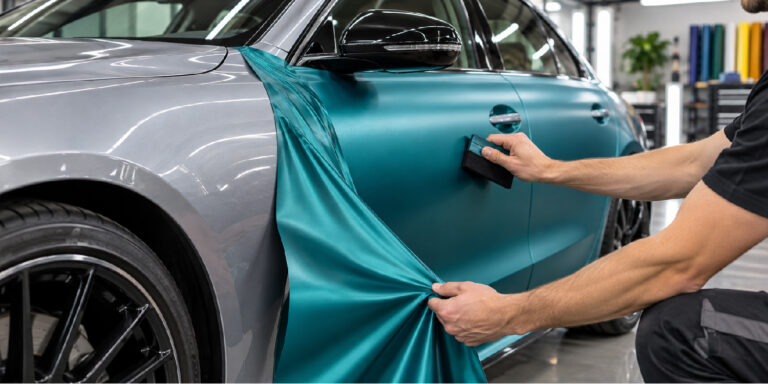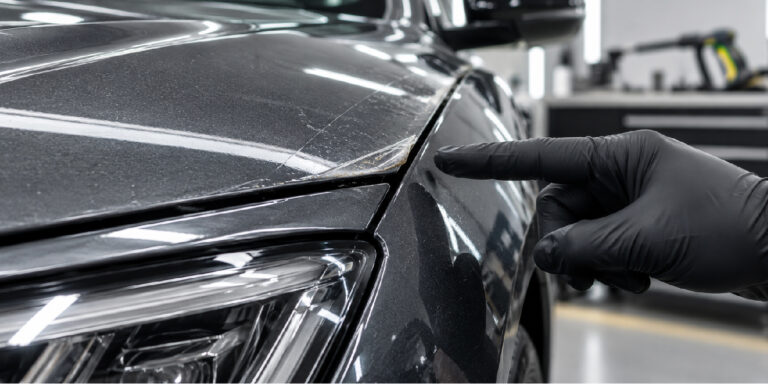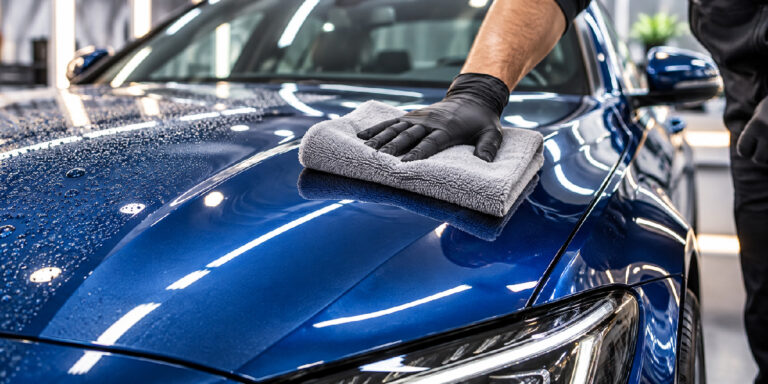
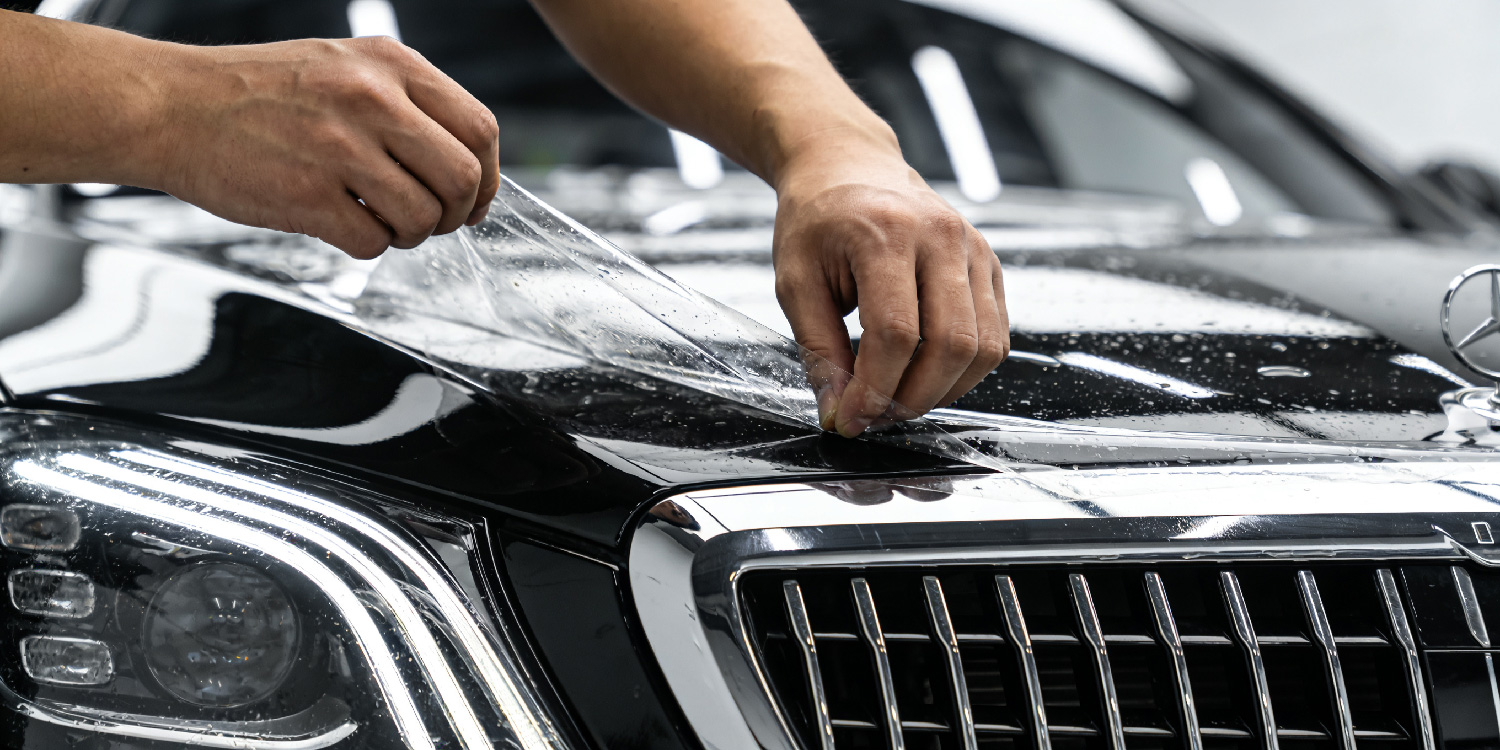
For car owners, driving in today’s environment exposes their vehicle to too many detrimental environmental factors. Paint protection film acts as a shield, protecting the paint. It is gaining popularity with many car owners today. It is a thermoplastic urethane film that is applied to the car’s painted surface.
Paint protection films are durable. They come in transparent and matte finishes. They serve as a sacrificial layer against stone chips, scratches, road debris, and UV damage. Modern PPF has self-healing technology. This enables the film to self-repair minor scratches and swirl marks.
Maintenance of paint protection film is much easier than that of paint. This blog delves into common mistakes people make when maintaining paint protection film and how these mistakes shorten its lifespan.
Washing the Car Too Soon After Installation of Paint Protection Film
The proper installation of paint protection film or PPF is what determines the finish of the final result. It is always better to employ the services of professional installers to install paint protection film. After installation, the film adhesive needs some curing time. It is typically 48 hours to 7 days, depending on the climate. Washing the car before the curing time can impact the installation. Moisture can get trapped under the edges due to premature washing. This can cause lifting of the film at the edges and bubbles.
Too much water pressure while washing can disrupt a freshly bonded film. The adhesive used in paint protection film is strong and can hold the film in place, but the adhesive needs time to set properly. Using soap while washing before the adhesive stabilises can impact the results. It increases the chances of the edges lifting. Micro-bubbles can form under the film. These micro-bubbles do not settle and mar the smooth finish of the film.
Washing too soon can also compromise the bonding in high-impact zones. The early curing phase can be affected by humid conditions. Washing the vehicle early can compromise the bonding. Contaminants can be trapped between the film and the paint.
Using Harsh or Incorrect Cleaning Chemicals
Most car owners reason that harsh chemicals can get the vehicle really clean, not realising that high-pH or low-pH cleaners can actually break down the top coat. Using degreasers should be avoided at all costs because they can strip away the protective coats. For a better shine, some owners use petroleum-based cleaners. These cleaners actually cloud the clarity of the protective layers.
Some DIY car wash videos recommend using household detergents. These detergents cause dullness of the coat. Alcohol-heavy solutions dry out the film. The self-healing film is not chemically compatible with all washing products. The paint protection film can oxidise due to aggressive washing products.
The protective films can develop streaking or hazing when exposed to harsh soaps. These films have hydrophobic properties that can be compromised by residue build-up. The chemicals can etch the film surface when it is not compatible with the protective film.
Relying on Automatic Car Washes with Abrasive Brushes
Automatic car washes have rotating brushes that cause micro-scratches on the film. The bristles of the brush can lock in dirt that acts as sandpaper when rubbed on a new surface. Regular car washes use varying degrees of pressure across different panels of the car, which can damage the film.
Minor scratches can dull the gloss of the paint over time. Frequent car wash cycles can compound the problem. The soft PPF top layers can be easily compromised by incompatible products. The self-healing properties of protective films are dependent on the top layer of the film. Regular use of automatic car washes can lead to loss of effectiveness of the self-healing properties.
Improper Hand-Washing Techniques
Car owners who prefer washing their vehicles at home can also recklessly disrupt the film. When mitts are used without proper rinsing, the dirt is dragged across the body of the vehicle, causing micro-scratches. Circular scrubbing motions increase swirl marks on the film. Applying excessive pressure while cleaning can also compromise the film.
Using rough towels instead of soft mitts can cause scratches on the film. Microfibre towels come in different grades. Using low-grade towels can also cause micro-scratches. While drying, a lack of lubrication can cause scratches. Using the same cloth across the whole body while washing can impact the film. For e.g., using the same cloth between wheels and body panels can cause scratches.
Neglecting Regular Cleaning and Letting Contaminants Sit
Maintenance of paint protection film is simple enough, but letting contaminants sit on the film can disrupt it. Bird droppings can cause acidic damage if left to sit on the surface. Tree sap can strongly bond to the film and become difficult to remove. Bug splatter can etch into the film.
Hard water spots leave mineral deposits on the film. After periods of long driving, the dust can accumulate on the film and compromise its clarity. Leaving industrial fallout on the film can disrupt the top layers of the film.
The delay in cleaning the contaminants on the film can later make it difficult to remove the contaminants. Organic contaminants can affect the self-healing layer and cause loss of self-healing property. The surface of the film becomes rough over time, and it loses its smooth finish. Leaving contaminants on the surface can also cause permanent staining on the film.
Incorrect Drying Practices After Washing
Air drying can leave water spots on the paint protection film. Using rough or unclean towels can cause scratches on the surface of the film. Dragging towels on the surface instead of blotting the film causes scratches. Leaving moisture around the edges can cause lifting of the film.
When compressed air is used on the edges to dry, the film can be disrupted. Reusing damp towels can cause scratches because they can hold contaminants. Drying has to be thorough. Panel gaps can hold water, and overlooking them can cause water accumulation. Contrary to popular belief, professional car detailing shops do not recommend drying under direct sunlight. It can cause streaks on the film. Using hard water for washing can cause increased spotting on the film.
Ignoring Edge Maintenance and Seal Integrity
While washing the car, dirt can accumulate along the film edges. The edges become visible due to poor care. Gradually, the edges lift due to neglect. Water ingress can weaken the adhesive. Wax or polish can build up along the edges. The film can appear disrupted in high-impact zones when they are neglected. Leaving contaminants on the film can cause edge curling.
Poor cleaning techniques can cause build-up along the seams. Neglecting a periodic check-up of the edges and seams can compound small issues with the film.
Exposure to Prolonged Sun and Heat Without Protection
Prolonged exposure to the sun can cause degradation of the film over time. It can diminish the gloss and clarity of the film. The longevity of the film is reduced in areas with high temperatures. The heat can impact the adhesive. It can reduce the elasticity of the film.
The film can become increasingly susceptible to cracking. The film can become yellow or shift colour with prolonged sun exposure.
Conclusion
Paint protection film protects the paint and acts as a shield from environmental factors. It requires minimal maintenance and has a lifespan of 5–7 years. Some common mistakes that can reduce its lifespan have been elaborated on in this blog.
To know more, visit Colibri Car Wrap and Detailing. Our experienced staff will have your car looking like brand-new. Rest assured that our staff will deliver the best results.