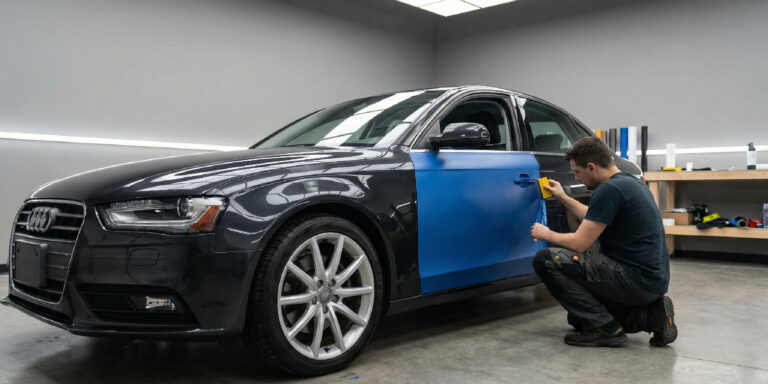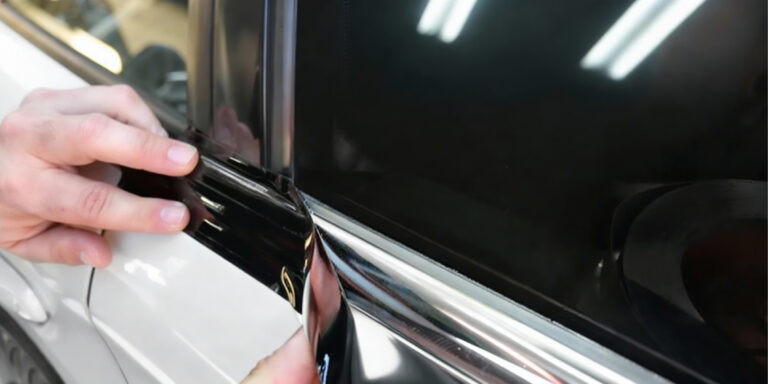

Climate change is real. Drivers face extreme weather conditions, especially in Canada. Harsh winters, heavy rainfall, and heat waves are some of the environmental stress factors that can impact your vehicle’s paint. Factory clear coats are designed for “average” weather conditions and not extreme conditions. That’s why your vehicle needs paint protection film.
Your vehicle is exposed to various environmental stresses each time you use it. These stresses damage your vehicle at an accidental rate. This damage builds over time and leads to paint deterioration. Earlier, the driving environment was not as stressful as it is today. Drivers today expose their vehicles to a variety of harsh environments. Pollution levels have risen, and construction everywhere means there’s more dust.
Paint protection film is the smart way to protect your vehicle’s paint. It gives your car a refined finish and protects the underlying paint. Moreover, it acts as a sacrificial layer that can withstand minor impacts while maintaining its smooth finish. This blog explains how paint protection film protects your car from extreme environmental conditions.
Heat Exposure: How High Temperatures Slowly Break Down Automotive Paint
When you drive your car on hot days or park it in sunlight for long periods, the molecules of the paint and clear coat undergo thermal expansion and contraction. When this happens continuously, the structure of the coat weakens. The coat loses its ability to flex and protect the underlying paint. This gradually deteriorates the gloss of the paint, and the coat loses its surface elasticity.
High temperatures accelerate oxidation. Chemical reactions within the clear coat cause it to dry out and become brittle. This is especially true of vehicles parked outside for long durations. The paint begins to look chalky or dull far earlier than expected. This affects dark coloured cars more than lighter ones.
Paint protection film acts as a buffer and protects the paint. With a paint protection film in place, the clear coat is not directly exposed to sunlight. The film absorbs and disperses the thermal load. Modern paint protection film is designed to remain stable under extreme heat.
UV Radiation: The Invisible Threat That Heat Brings Along
While heat is easy to feel, UV radiation is deceptive. UV rays penetrate the clear coat and trigger a process known as photo-oxidation. This process breaks down the chemical bonds that give paint its colour and gloss. This happens gradually and silently. The result is visible fading of the paint and discolouration.
One of the biggest effects of UV exposure is colour degradation. Reds, blues, and darker shades are most susceptible to UV exposure. The pigments of these colours are less stable with prolonged exposure to radiation. This also happens to lighter colours over time. The colours lose depth and clarity, and the paint looks dull and flat. Clear coats become thinner and more vulnerable to staining or etching with prolonged exposure to UV rays.
Daily outdoor parking, even on cloudy days, exposes your vehicle to UV radiation. UV rays can pass through clouds and damage the car’s surface. This is where paint protection film can be instrumental in protecting your car.
Monsoon Rains & Heavy Downpours: More Than Just Water on Paint
Rainwater may appear harmless, and some may even consider it nature’s car wash. But rainwater is rarely clean and harmless in urban environments. Rainwater left to dry on the car’s surface causes mineral etching on the paint.
Repeated wet-dry cycles on unprotected surfaces can damage the car’s clear coat and paint. Rain magnifies existing paint imperfections. After heavy showers, it is recommended to wash the car with soap and water to prevent further damage to the paint. To ensure year-round protection for your car, it is better to install paint protection film. The latest films have a hydrophobic surface finish that repels water. Water droplets do not linger on the surface, which prevents mineral etching.
Acid Rain and Industrial Fallout: The Chemical Assault on Your Car
In urban and industrial areas, the air contains pollutants such as sulphur dioxide, nitrogen oxides, and industrial emissions. The rainfall in these areas is mildly acidic. When this rainwater stays on the car’s surface, it begins to react with the clear coat immediately.
If this water is allowed to settle and dry on the paint, the damage becomes severe. The acidic residues remain on the surface even after the water evaporates. They etch into the clear coat and leave dull spots. This leads to irregular stains on the paint. Repeated exposure leads to permanent etching that cannot be washed away. This may require aggressive paint correction or even repainting.
Have you noticed rusty specks on some cars? This is because industrial fallout sometimes leaves microscopic metal particles and chemical residues in the air. Rainfall carries these contaminants with it. They oxidise on contact with the car’s surface and create tiny rust-like specks. These specks eat into the clear coat.
Paint protection film acts as a barrier and shields your vehicle against these threats.
Dust, Sand, and Airborne Particles: The Slow Sandblasting Effect
Dust and sand may seem harmless, and the damage that they inflict may not be dramatic. In dry climates, especially when driving on highways, these fine particles strike the paint with enough force to cause thousands of microscopic abrasions on the surface. The damage builds over time. It is uniform and gradual. The effect that these particles have on the clear coat is comparable to that of a tiny piece of sandpaper. It eventually dulls the coat and reduces clarity.
Paint protection film shields the car’s surface from this continuous abrasion and helps to maintain the gloss and smoothness.
Temperature Swings: The Damage Caused by Hot Days and Cool Nights
Extreme temperature swings are another type of environmental stress on the car’s paint. The constant expansion and contraction within short time frames cause microscopic fractures in the clear coat, making the surface prone to cracking and peeling. These forms of damage develop slowly and are visible only when the damage is advanced.
When the temperature soars, the clear coat softens slightly, rendering it susceptible to bonding with pollutants. When the temperature cools at night, the structure of the clear coat contracts and locks in the contaminants. This cycle repeats daily and leads to long-term surface degradation. This damage is not easily fixable.
Paint protection film is a flexible barrier that absorbs this stress. High-quality paint protection film is designed to contract and expand without losing shape or adhesion.
Choosing the Right Paint Protection Film for Harsh Climates
Not all paint protection films are the same. There are different varieties with specialised features. The ones to look out for are those with UV resistance, thickness, and clarity retention. These offer the required protection for drivers in harsh and extreme weather conditions.
At Colibri Car Wrap and Detailing, we offer warranties for our paint protection film. Our professional installers have experience with climate-specific installations. Paint protection film is an investment that saves on long-term repair costs.
Conclusion
Paint ages faster in extreme conditions. The seasonal changes and daily extreme temperatures deteriorate the paint gradually. The changes are not apparent until it is advanced. This type of damage is inevitable. Paint protection film acts as a shield and protects the surface from all environmental stresses.
Paint protection film offers year-round protection for your vehicle. Visit Colibri Car Wrap and Detailing to know more!