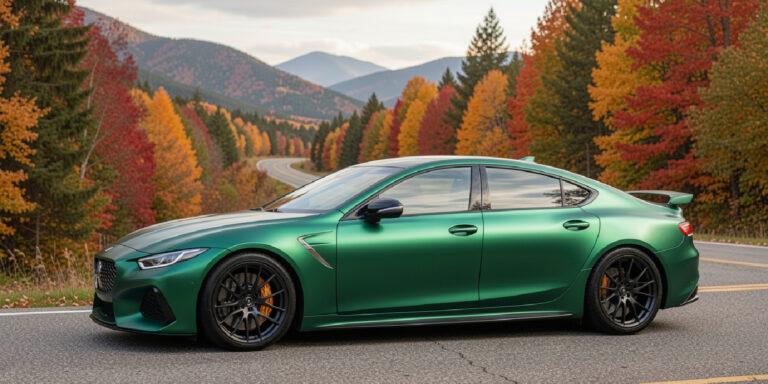
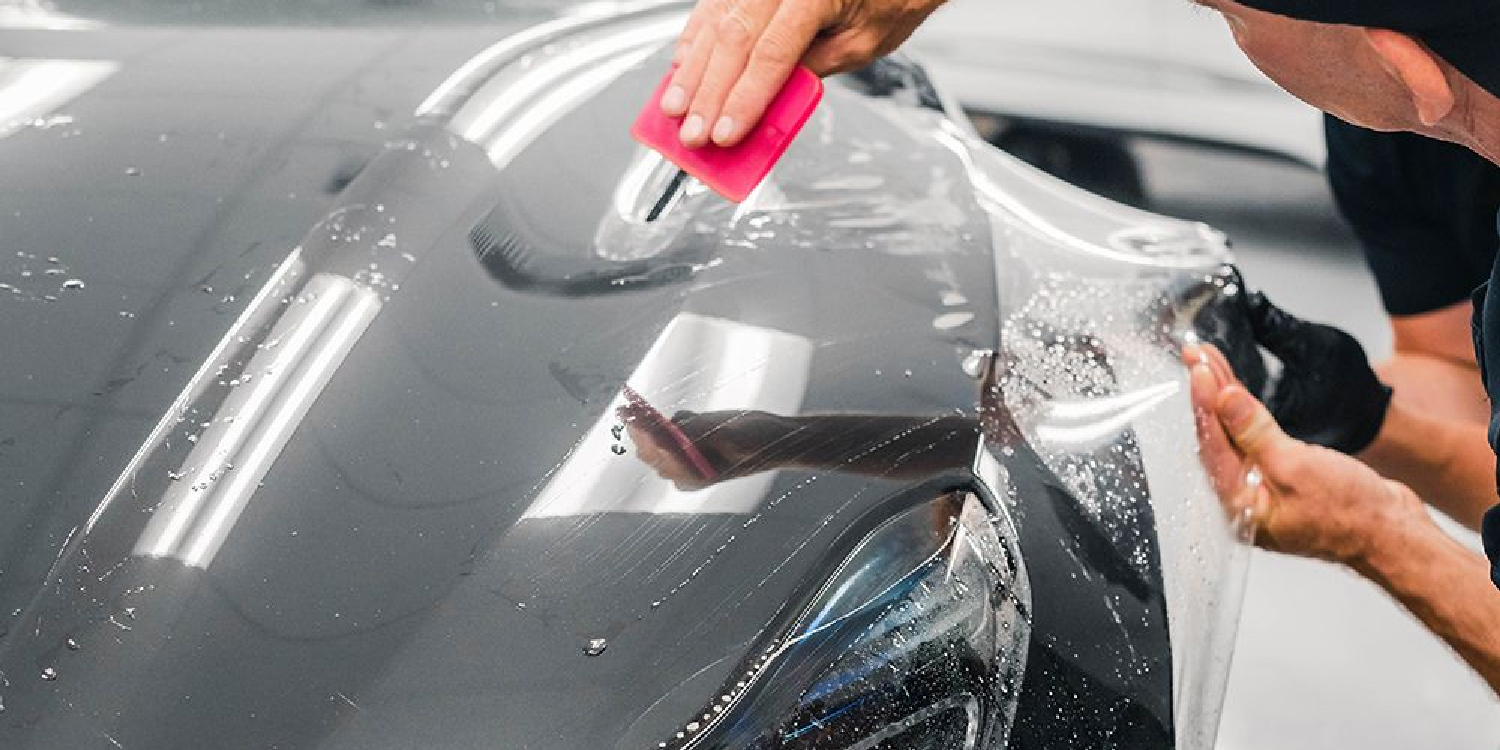
The popularity of EVs is surging. The design of EVs is aerodynamic with large exposed panels. The body of EVs is different from that of regular cars. The door handles are flush to avoid contact areas prone to scratching. The body is usually glossy with gloss trims and pillars that mark easily. Their premium paint needs protection. Paint protection films protect the paint without hampering the glossy exterior finish.
EVs are modern, and the owners prefer pristine, futuristic aesthetics. Given that the pricing is premium, owners are more protective of the appearance of their vehicles. EV paint finishes are lighter and softer to reduce the vehicle’s weight.
The complete absence of any vehicle sound increases the risk of scratches and road debris impact. If the usage is urban, tight parking spaces increase the risk of scratches. Paint protection film can protect the vehicle from these damages and maintain the resale value of the vehicle. This blog attempts to explain how paint protection films help maintain a flawless exterior for EV cars.
Unique Vulnerable Areas on Electric Vehicles
Paint protection films can protect EVs. But before we dive into how they can do that, let us first identify the vulnerable areas that need protection. The design of EVs is different. To improve aerodynamics and reduce drag, they have closed front grilles. These grilles have more surface area to take direct stone impact. Large front bumpers with sensor clusters need protection.
The charging port door and surrounding paint are prone to fingernail scratches, cable rub marks, and minor scuffs because of frequent plugging and unplugging. EVs usually sit lower due to battery placement. This exposes the side skirts and lower rock panels, which are highly prone to gravel spray and road rash. The rear wheel arches and diffuser sections collect debris thrown up by the tires.
Gloss-black trims, pillar panels, and panoramic roof borders are delicate areas. They are high-gloss and can be scratched easily during washing and drying. Door edges are scratch-prone areas, especially in tight urban parking spaces where EVs are commonly used. The rear bumper loading zone is a vulnerable area and often suffers scratches from luggage, groceries, and daily cargo.
Paint protection films applied strategically by professional installers can protect these vulnerable areas and ensure the vehicle’s modern finish remains flawless over time.
How Paint Protection Films Support Aerodynamic Design of EVs
The design of EVs is aerodynamic and aims to reduce drag. Professional installers, like Colibri Car Wrap and Detailing, ensure a seamless finish that preserves the airflow lines. The edges are wrapped carefully with precision to prevent lifting at high speeds. Paint protection films are installed with a superior smooth finish to reduce drag.
The sculpted panels are protected without altering the shape. EV designs usually have sharp creases. High-quality paint protection films can conform to the creases to ensure a smooth finish. Transparent paint protection films keep the futuristic styling intact. Swirl marks can impair the reflective gloss. New-age paint protection films have self-healing properties that can absorb swirl marks and minor scratches.
Battery Weight and Road Debris Impact
Electric vehicles are heavier than petrol and diesel cars because of their large battery packs. The weight of the vehicle determines how it interacts with the road. It also increases the risk to the paint surface.
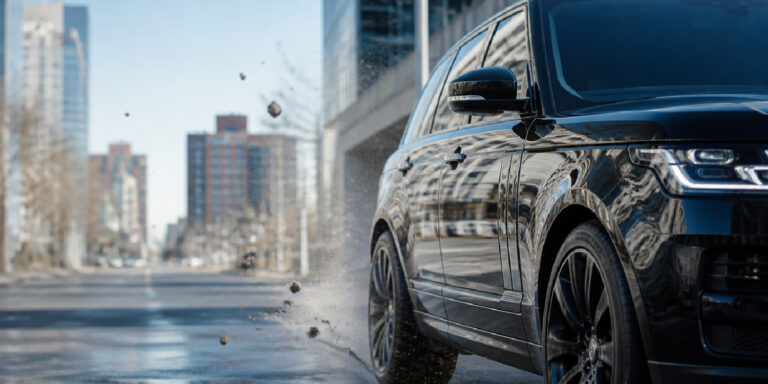
The weight of the vehicle pushes it closer to the ground, especially in low-slung vehicles, such as the Tesla Model 3. The lower the vehicle is to the ground, the higher the risk of road gravel/debris impact on the front bumper, side skirts, and lower doors. While speeding on highways, even small pieces of gravel can have a major impact on the paint surface.
Heavier vehicles have a strong kickback effect. The rear wheels kick up debris toward the rear doors, quarter panels, and wheel arches. Wider tires increase spray patterns. Construction zones, asphalt, and gravel on the roads amplify the impact risk. Repeated minor impacts chip and pit the paint surface.
Paint protection films act as a sacrificial barrier. These films are thick and impact-resistant. They absorb and disperse the impact.
Protection Against Environmental Exposure
Paint protection films offer UV protection that can act as a shield against fading. Acid rain can damage the vehicle’s paint. Paint protection films can shield the car against acid rain damage. Bird droppings can etch into the paint. With paint protection films, the acid from bird droppings will not etch into the paint.
Tree sap staining can also cause staining damage, which can be prevented with paint protection films. They also protect the paint from insect splatter. These films are resistant to water spotting.
Paint protection films provide chemical resistance against urban pollution. They prevent oxidation over time.
Paint Protection Films and EV Charging Habits
Paint protection films can help prevent scratches near charging ports. Frequent cable handling can cause wear. These films can help prevent wear and protect front and rear charging areas. Paint protection films prevent any accidental damage from the charger.
Dust can accumulate around the charging port. Paint protection films can guard it against dust accumulation. The charging flap area can be easily cleaned after protecting it with PPF. PPF can help prevent swirl marks that occur while wiping the paint surface.
Scratches and wear are common while using public charging stations. This wear can be minimised with PPF. People who frequently use public charging ports will find paint protection films advantageous for maintaining the aesthetics and shine of the paint.
Cost Efficiency and Long-Term Value for EV Owners
EVs typically have high-quality premium paint. Repairing EV paint can be expensive. Paint protection films protect the paint and reduce the frequency of repainting. They also increase the resale value of the vehicle.
Detailing costs can be reduced by applying paint protection films. Paint correction and ceramic coatings are processes in car detailing that restore the exterior paint. With the protection of these films, these steps can be eliminated. PPF preserves the original factory paint.
Maintenance Requirements for PPF on Electric Vehicles
Paint protection films require hand washing only. Abrasive chemicals and sponges should be avoided while washing vehicles with PPF. They can be used over ceramic coatings to maintain the finish.
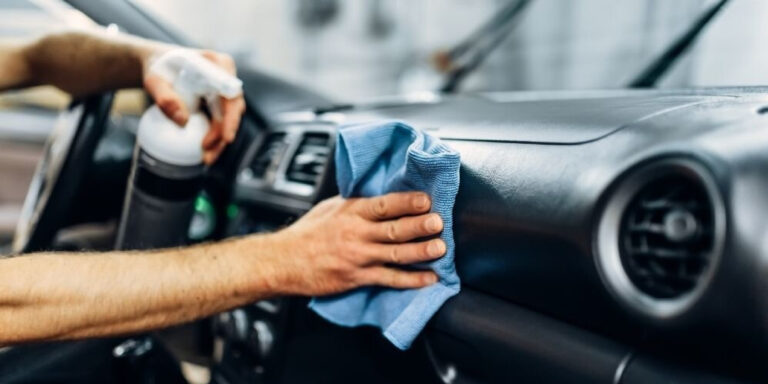
Today, paint protection films have self-healing properties. They regain their original form after minor impacts from heat application. The edges have to be inspected regularly to check for any lifting. While pressure washing, avoid shooting the jet at sharp angles to prevent any dislodging of the film. Any contaminants on the paint protection films have to be washed as quickly as possible. Use only a microfibre cloth to wipe and dry the vehicle.
Visit professional detailers periodically to inspect the film’s condition.
Smooth Finish
EV cars are designed with a modern and futuristic aesthetic. Paint protection films can protect EVs without hampering their futuristic design. They can absorb the impact of gravel, chips, and debris. They act as a protective shield and defend the vehicle against tree sap, bird droppings, and insect splatter. They offer protection against UV damage and the wear-and-tear of frequent handling.
Colibri Car Wrap and Detailing offers the best services and competitive prices for paint protection films. Protect your EV with us.