Our vehicles face many environmental stresses daily and seasonally. Gravel, UV rays, winter salt, temperature swings, etc., take a toll on the paint of the vehicle. The damage happens gradually for daily commuters as well as weekend drivers. Whether you drive daily in city traffic or take your car out only on weekends, the exposure to environmental stresses can dull and dim the paint.
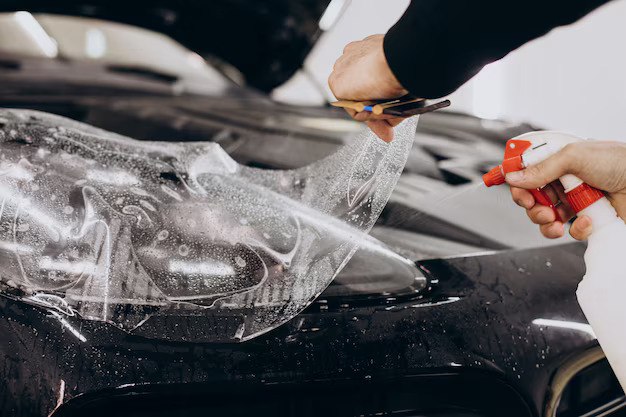
Paint protection film can protect the paint. Once installed, it acts as a buffer layer on the car’s exterior surface. They come in various types and finishes to suit all kinds of aesthetics. Paint protection film can change the personality of your car. You can wrap your car to suit your aesthetics and personality.
But how do you spot a high-quality paint protection film? This blog helps you decipher how to distinguish between regular paint protection film and high-quality paint protection film.
Check Film’s Material Composition (What It’s Actually Made of)
Regular paint protection films are made of PVC or vinyl. High-quality films are made of thermoplastic polyurethane (TPU). The technology used in high-quality film is different. With advances in technology, paint protection films have evolved to include self-healing properties. They can return to their original shape after minor abrasions. They are flexible and can wrap around different contours of a vehicle. Cheaper materials crack in cold Canadian weather.
Top-quality paint protection films are not single-thick sheets. They are multi-layered. Low-grade films depend on their thickness to protect the paint. The top of high-quality films has a clear coat layer.
Good quality paint protection films feel soft and elastic. TPU films resist tearing from stone impacts, which are common on Canadian highways. Reputable installers discuss the materials of the paint protection films they use.
Evaluate Self-Healing Performance (Not All “Self-Healing” Is Equal)
Many brands of paint protection films advertise the self-healing property of the film, but how do you differentiate between real self-healing and marketing hype?
The technology behind self-healing films works uniquely. The polymers of the film become pliable when exposed to heat. The heat source can be sunlight, warm water, or a heat gun. Light swirl marks disappear within minutes on high-quality films. Swirl marks on low-grade films take days to disappear.
Some films heal a couple of times, after which the self-healing property isn’t as effective. Premium films heal multiple times effectively.
The scratch or swirl marks on cheap films may seem to disappear temporarily but reappear later. Top-quality films self-heal even after extreme temperature changes. The self-healing nature is consistent across the entire panel of top-quality films.
A quick way to test the quality of paint protection film is to lightly scratch the surface of the film and use warm water to check its self-healing property. Top-quality films heal without becoming cloudy or distorted.
Assess Optical Clarity (How the Paint Looks Under the Film)
High-quality paint protection film is virtually invisible after installation. Clear paint protection film actually enhances the gloss and colour of the car paint. The texture of premium films is glossy and clear. Cheaper films have an orange peel texture.
Reflections can also indicate the quality of the film. Good-quality films do not distort the reflections. Straight lines remain straight.
Inferior-quality films create haze in bright Canadian sunlight. Paint protection film on metallic and pearl paints reveals clarity issues. The different finishes of paint protection film should give a finished and authentic look. Matte paint protection film should look intentionally matte and not chalky.
Clear edges should blend seamlessly into the paint. Top-quality paint protection film blends seamlessly into the paint.
Test Stain & Contaminant Resistance (Real-World Canadian Conditions)
Winter is tough on car paint. The winter salt dulls the car’s paint. High-quality paint protection film is resistant to road salt staining in winter. Good-quality films can be easily cleaned by rinsing with water. Bug splatter should not leave marks that corrode the paint. Tree sap should not be left on the film because it can etch into the film.
Premium films should not yellow from UV exposure. They help protect the car’s paint from yellowing, too. Fuel spills should not discolour premium films. Bird droppings should not permanently stain the film.
The film should remain clear after repeated washes. Contaminants should sit on the surface and not soak in.
Examine Edge Finish & Installation Precision (Where Quality Shows First)
The edges can be an indicator of the quality of the paint protection film. Clean edges that wrap around edges and contours indicate premium quality. Poor-quality film lifts at the corners and curves. High-end paint protection film is so seamless when installed well that the edges around panels are invisible.
Stretch marks are invisible even for complex shapes. The thickness of the edges is uniform across the vehicle. Canadian temperature swings test the edge stability of paint protection film. It is advisable to invest in good-quality film for longevity and a good finish. Good-quality film does not shrink back after curing.
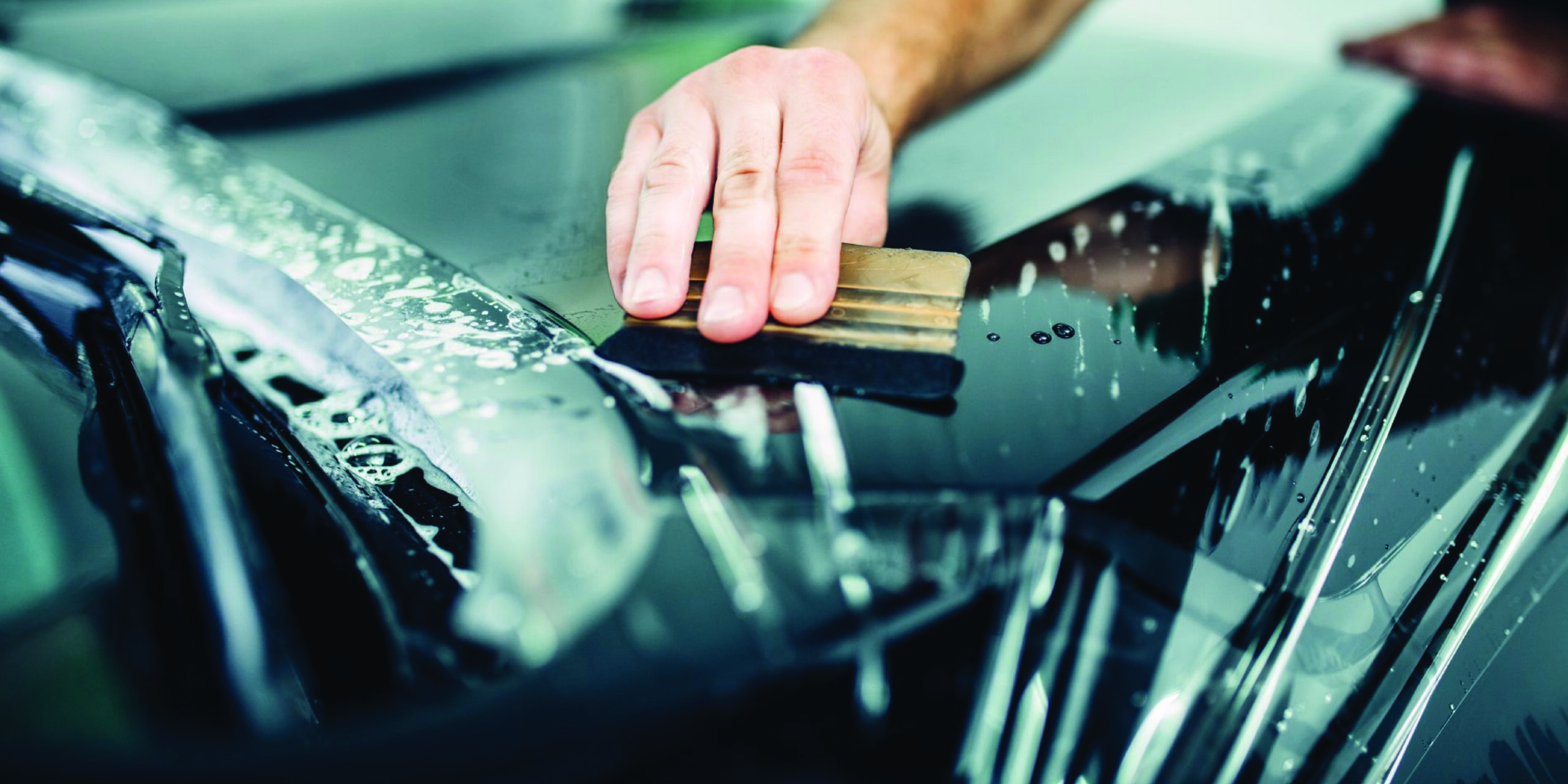
The finish depends on proper installation. Dust and debris get trapped under the film if it is not installed correctly. Install paint protection film at professional car wrap shops with experienced installers. At Colibri Car Wrap and Detailing, we guarantee a seamless finish.
Understand Warranty Coverage (What It Actually Protects You from)
When investing in paint protection film, here are some features of the warranty that you should look out for:
- Top-quality paint protection film comes with a 5-10-year warranty by the manufacturer. The coverage should include yellowing, cracking, and delamination. Have clarity about the other coverage elements.
- Warranty should be valid across Canada and not specific to any location.
- Always ask for written warranty documents. Verbal promises are easily forgotten.
- Installer and manufacturer warranties should align.
- Transferable warranties add resale value.
- The claim process should be clear, and it is usually indicative of reputable brands.
Observe Long-Term Ageing Behaviour (How the Film Changes Over Time)
Top-quality paint protection film maintains elasticity for years. It remains flexible and recovers its shape after minor abrasions, even after many years. It does not become brittle or harden in cold climates. Minor cracks do not appear on quality paint protection film.
Cheaper films may remain clear for a couple of years. Premium films do not lose clarity even after three years. The edges do not darken or discolour over time. Film removal should not damage factory paint.
All the panels age uniformly. The true quality of a film can be seen in vehicles that are driven year-round.
Compare Price Transparency vs “Too-Good-to-Be-True” Deals
As they say, if it sounds too good to be true, it probably is. Do not fall for cheap quotes. It might actually be cutting corners on the film grade. The pricing of premium paint protection film reflects the material and quality of labour.
Have a clear understanding of the areas included in the package.
Last Wrap
Premium paint protection film can be a good investment to protect your car’s paint. When choosing paint protection film, invest in top-quality film. It wears well and adds resale value to the vehicle.
When selecting an installer, ask relevant questions about the film and be well-informed before making a decision. For all your queries and best service, visit Colibri Car Wrap and Detailing.