Your car is like a second home. After your home, the second place where you spend most of your time is your car. Car detailing is more than just a regular car wash. It is a thorough cleaning that restores and protects your car on the outside and inside. Everyone likes a car that looks shiny and clean. But did you know a clean car has an emotional and psychological impact on you?
Most people spend long hours commuting. When you drive for long hours, the hygiene inside the car matters. Even if you don’t realise it, it has an impact on your mind. Your car is an extension of your personal space – similar to your home or office. Clutter, odours, and debris on the mats are not good ride buddies.
This blog explores how a detailed car can rewire how we drive, think, and behave.
A Clean Car Activates Ownership Pride and Responsibility
Car detailing regularly renews your pride in ownership of your vehicle. Even after years of ownership, a detailed car looks like new. It looks new, and you tend to behave as if it is new. If you have had your car detailed, you know how you enter that protective driving mode once you’ve got your vehicle back. You tend to avoid potholes and tight parking spaces. You drive safely (at least for a while!)
There is a marked difference between driving a clean car and a neglected one. Pride of ownership in a detailed car reduces careless habits like eating messily or tossing items inside the car. You feel more responsible when driving and try not mess up the interiors. Harsh winters can deteriorate your vehicle, and car detailing can restore it.
Visual Order Reduces Cognitive Load Behind the Wheel
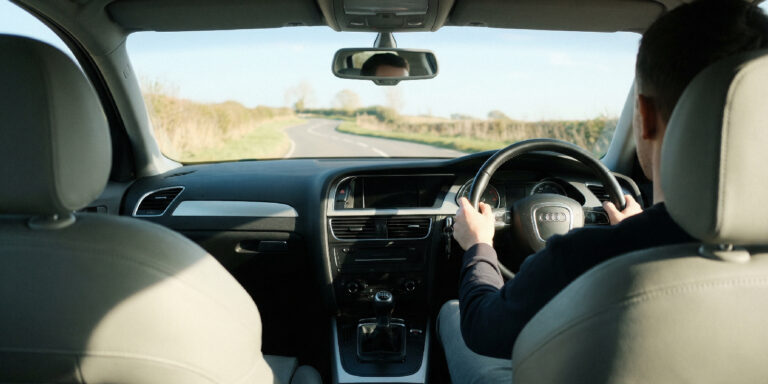
Did you know cluttered interiors subconsciously increase mental fatigue? You may not notice it immediately, but it creeps in on you subtly. The brain has a preference for visual calm and cleanliness. Clean and uncluttered interiors can calm your mind and improve your attentiveness on the road.
Something as simple as a clean dashboard reduces distractions while driving. You don’t get distracted by things moving around on the dashboard or have to keep things from falling from it. Grime on the windshield and mirrors reduces visibility and taxes attention. Clean glass and mirrors increase confidence. They improve your reaction time as well.
The benefits of car detailing are more pronounced during long Canadian commutes and highway drives.
Cleanliness Alters Risk Perception and Driving Caution
After car detailing, your car feels “valuable” again. When your car is spotless and shiny, even minor scratches seem costly. You avoid parking too close to another vehicle or on narrow streets. You drive more carefully in heavy traffic. Your spatial awareness increases, and you have a tendency to protect your vehicle from even minor damage.
Drivers tend to slow down imperceptibly when driving freshly detailed vehicles. You want the pristine finish to last and drive cautiously. This effect lasts as long as the cleanliness is maintained. By the time it is time for the next car detailing, you will be back to your old familiar ways.
A Detailed Car Strengthens Emotional Attachment to the Vehicle
A freshly detailed car does more than look good; it feels good. If you have been driving a vehicle that hasn’t been detailed in a long time, you become immune to its state. Emotional attachment to a vehicle is shaped by sensory experiences. Car detailing restores the sensations that drivers have lost. Clean upholstery, clutter-free surfaces, and a neutral, fresh scent inside the car can be comforting. This familiarity is what people associate with their car.
When emotional attachment increases, behaviour changes. Drivers handle the car more gently. They tend to avoid sudden braking and rough roads. In Canada, vehicles endure months of harsh weather, and car detailing revives the vehicle. Interior detailing is key to increased emotional attachment. Road trips and daily commuting mean long hours inside the car. When that space is intentionally clean, drivers are more emotionally attached. The bond between driver and vehicle shapes driving behaviour.
Clean Cars Encourage Habit Change and Self-Regulation
Car detailing acts as a behavioural reset button. A newly detailed car is treated with respect, and people try to maintain the cleanliness of the interior as long as they can. Drivers tend to avoid smoking and eating inside the car. Even clutter accumulation is controlled.
Drivers tend to wipe their shoes before entering their vehicles or organise storage inside the car. They avoid dumping things inside the car. Kids’ behaviour inside the car is monitored, and parents become sticklers for discipline!
The “Fresh Start Effect” and Post-Detail Driving Behaviour
After car detailing, you get a fresh start. It’s a renewed chance to treat your vehicle better. Studies and observations suggest that drivers become more mindful during the first few weeks post detail. It helps reassess your relationship with your vehicle. This behaviour change will ripple into lifestyle changes for most people.
It’s the new year and a new season. Visit Colibri Car Wrap and Detailing and enjoy a new car mindset, too.
Interior Cleanliness Influences Mood and Stress Levels
Dirt and clutter fuel stress. Car detailing eliminates this subconscious stress. A clean interior helps you stay calm during traffic jams. One of the underrated stress factors inside a car is odours. After detailing, the interiors smell neutral and fresh. This helps stabilise your mood. It reduces road rage and irritability while driving.
Exterior Detailing Changes How Drivers Believe They’re Perceived
Your car is a representation of your personality and attitude. A squeaky-clean car speaks of your attention to detail and discipline. Drivers feel more confident arriving somewhere in a detailed car. It is a statement of your personal credibility. It gives you quiet confidence and discourages aggressive driving.
If you are a professional who has to meet clients, attend meetings, or be a parent on school pickups, a detailed car represents you well.
Why the Effect is Stronger in Harsh Climates Like Canada
The harsh winters of Canada can normalise salt, slush, and grime. Throughout the winter season, the car’s exterior is hardly ever seen. Post-winter car detailing can be transformative. It is emotionally uplifting to see the paint revived after months of being draped in snow. The extreme weather conditions in Canada amplify this effect.
Conclusion
Car detailing alters our behaviour. After detailing, we relate better to our vehicles. You feel a renewed pride in ownership. The need to maintain a fresh look induces us to change our behaviour and treat the vehicle better. A clean car elevates and stabilises your mood.
Car detailing is not just about aesthetics. It makes you feel good. It improves your attentiveness while driving and makes you smarter on the roads. The elimination of odours calms you and makes you more mindful. If you thought car detailing is only about cleaning, restoring and increasing resale value, we hope this blog clarifies how it can also be a psychological game-changer.
Give your car a treat and bring it to Colibri Car Wrap and Detailing today!