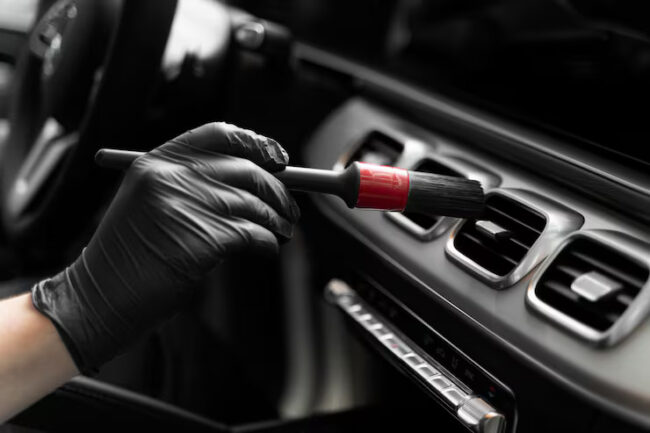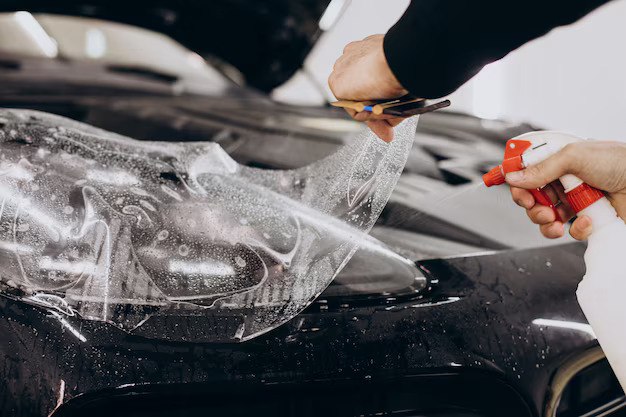
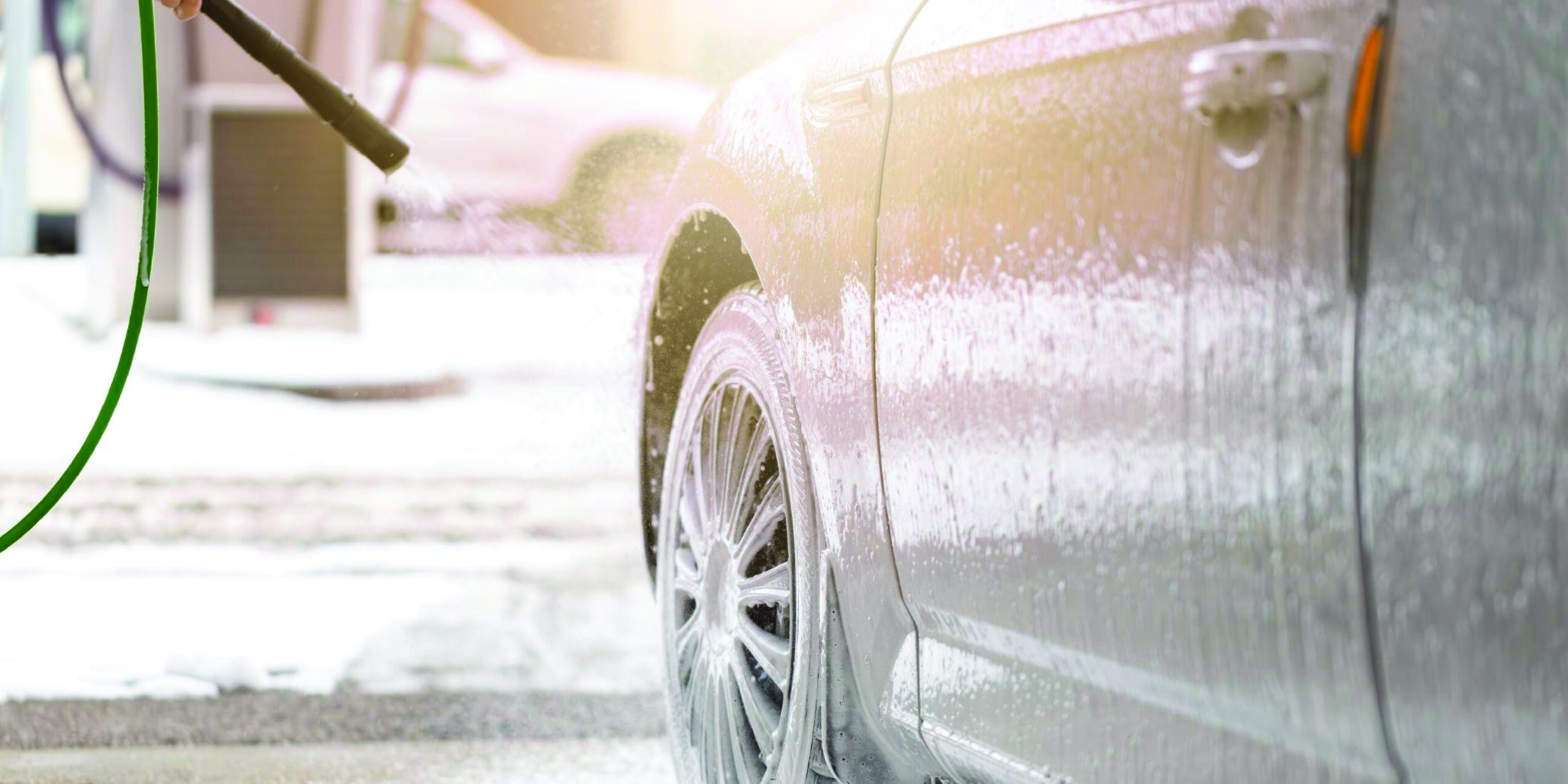
Car detailing is a process of thorough cleaning, restoring, and protecting the vehicle’s interior and exterior. Most people maintain their vehicles with a regular car wash. But minor issues often go undetected and become major and expensive repairs.
Car detailing detects minor issues before they become a concern. Car detailing not only thoroughly cleans the interior and exterior, but it also helps restore the vehicle to near-original condition. Exterior car detailing helps protect the paint, external trims, wheels and even the engine bay. Interior car detailing is an investment in the long-term maintenance and protection of the upholstery, plastic trims and mats.
Every car owner faces the challenge of safe parking, especially if parking outdoors is the only option. Every time you drive your vehicle, you expose it to environmental elements. Parking outdoors leaves your vehicle exposed to environmental elements for longer periods. So, how do you protect your vehicle? Read on to know more.
Understanding the Challenges of Outdoor Parking in Canada
Many factors can impact your vehicle. In cold climates (as in Canada), snow, ice, and rain pose challenges. Road salt in winter can gradually damage the car’s surface coat. Road salt can be corrosive and cause rusting on the undercarriage and wheel wells. Snow and ice accumulation can scratch or chip the paint. Freezing temperatures can make paint brittle. Freezing water can compromise rubber seals and trims. This exposes the interior to moisture and mould risks. The plastic trim and leather can become brittle in cold weather.
In summer, UV radiation dulls and dims the paint. The interior finishes also oxidise and fade with regular sun exposure. Extreme temperature swings cause stress on car materials, making them brittle and prone to cracking.
Tree sap, bird droppings, and road debris are constant challenges. If left on the surface for long, they etch into the clear coat and damage the paint.
Outdoor vehicles age faster without proper care.
Smart Parking Choices That Reduce Damage
If parking outdoors is the only option, then it is advisable to adopt some smart parking strategies to minimise damage.
Choose well-shaded spots if you plan to park for a prolonged period. Tree shade might look like a good option, but it is best avoided. Bird droppings are inevitable when parking under trees. Use buildings and walls as wind shields while parking.
Park facing away from the sun to avoid direct exposure. Parking in one position for long periods can leave one area of the vehicle looking more faded than others. Try to rotate parking positions to balance sun exposure.
Always look for areas with minimal footfall and less traffic. Choose covered parking if possible.
In winter, avoid areas prone to snowplough salt buildup.
Efficient Washing Routine for Outdoor-Parked Cars
Vehicles parked outdoors need frequent washes. The damage is constant, and contaminants left on the surface can build up to corrode the vehicle.
In Canada, cars parked outdoors collect grime much faster due to salt, slush, dust, and seasonal debris. Smarter washing can help prevent long-term damage. Washing soon after snowstorms or slush exposure is recommended to prevent salt from sticking to paint and metal parts.
Rinseless wash products are the best option in freezing temperatures when traditional hose washing is not practical, especially for frequent washes. Be smart about timing your washes. Washing during warmer parts of the day in winter helps prevent water from freezing on panels and door seals.
Use the two-bucket method to reduce swirl marks. In this method, one bucket is filled with clean water and car shampoo. The wash mitt is dipped into this bucket to clean the car. In the second bucket, plain water is used to rinse the dirt off the mitt before putting it back into the soap bucket.
Always dry the car immediately after washing with microfibre towels to avoid water spots. Quick or touchless washes can be used between deep cleans to remove surface grime safely. Do not ignore the undercarriage or wheel wells while washing. These areas collect salt and mud that can lead to rusting.
Paint Protection Hacks That Last Outdoors
Vehicles parked outdoors benefit from applying long-lasting paint protection. Car detailing offers ceramic coating that provides strong, long-term protection. Ceramic coating is a barrier that repels water, dirt, and contaminants.
Paint sealants are more durable than traditional wax and are included in car detailing packages. They are ideal for vehicles exposed to harsh weather.
During the summer months, regular waxing helps protect the paint from UV damage and oxidation.
Car detailing shops offer quick detail sprays that can be used between washes to safely clean minor dirt without scratching the surface. It is better to visit car detailing shops before winter to protect your vehicle from slush and salt buildup.
Before applying protective coats, consider paint correction. This helps ensure that protection locks in a flawless finish.
Protective products should be reapplied seasonally to maintain a consistent defence against damage.
Preventing Rust and Undercarriage Damage
Road salt can accelerate damage to the undercarriage. Car detailing shops thoroughly clean the undercarriage and prevent rusting. Seasonal rust-proofing treatments should be done.
Wheel wells should be cleaned well after storms to prevent rusting. Car detailing focuses on rust-prone areas. Protective coatings are applied to metal components, and drainage holes are checked for blockage.
Interior Protection for Outdoor-Parked Cars
It is recommended to use sunshades to prevent the dashboard from oxidising and cracking. Interior car detailing offers treatments to protect leather and fabric. Winter salt leaves stains on carpets that can be cleaned with car detailing.
Regular vacuuming and cabin air filter maintenance help prevent food debris buildup and maintain a clean environment inside the cabin. It has health benefits, especially for people with allergies. It also helps control odours inside the cabin.
Seasonal Detailing Strategy for Canadian Drivers
Here is a year-round car detailing plan that works.
In summer, look out for car detailing packages that include UV protection.
Protect your vehicle before the fall to protect it from rain and debris.
Car detailing after winter helps tackle the damage caused by freezing temperatures and prepares the car for spring.
Pre-treatment before winter protects the vehicle from the harsh weather.
Tires and wheels should be cleaned seasonally.
A visit to reputed car detailing shops like Colibri Car Wrap and Detailing should be scheduled annually.
Quick Emergency Cleaning Hacks Every Driver Should Know
Bird droppings have an acidic pH and should be washed as soon as possible. Tree sap should be safely removed before it can etch into the clear coat. Snow and slush should be removed regularly.
Salt streaks should be cleaned quickly to prevent damage. Always keep microfibre cloths in the car for a quick clean. Road tar splashes should also be cleaned regularly. Quick detail sprays are handy to clean between regular washes. Windshield cleaning products are useful during storms to keep the windshield clear and clean for safe driving.
Car Detailing Instead of DIY
Car detailing is a one-stop solution for all the problems of outdoor-parked vehicles. It helps protect the car from constant exposure to environmental stress. This blog explains ways to protect your vehicles parked outdoors in all kinds of weather.
Annual car detailing at professional shops like Colibri Car Wrap and Detailing will help your vehicle stay in its best shape for years.