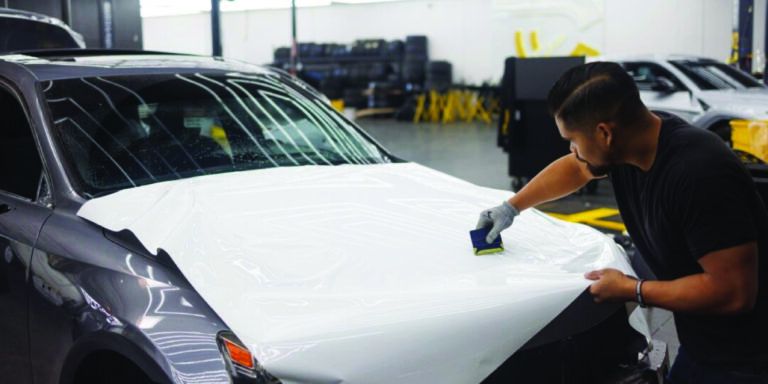
It is a popular belief that car detailing is only about making a vehicle look shiny and new. People think car detailing is the same as regular car washes. Regular car washes clean the car on a surface level. The deeper issues are not resolved.
Car detailing is different from a regular car wash. There’s a lot more happening behind the scenes. It restores the vehicle to its original condition and protects it from future damage. it dives deep into issues and fixes the problem at the root.
Car detailing not only improves the value of the car but also increases the lifespan of the paint and ensures safety in the long run.
In cold climates, drivers should always invest in car detailing. Harsh winters, extreme temperature swings, gravel roads, and road salt corrosion take a toll on your vehicle. In this blog, we explain the hidden benefits of car detailing.
The Science Behind pH Balance in Car Detailing
Most car owners don’t realise that using the right cleaning products is important for the upkeep of their vehicle. Using the wrong cleaning products can actually damage the vehicle. The reason? pH balance.
Household cleaners like dishwashing soap and floor cleaners are highly alkaline. Alkaline products strip away the protective wax and vehicle sealants. The clear coat breaks down over time. Using dishwashing soap leaves the paint dull and unprotected. After winter, when the salt has already weakened the surface, this is detrimental.
Acidic cleaners are also harmful and can damage metal, plastic, and chrome detailing of the car.
pH-neutral shampoo is the safest choice for regular car washing. pH-neutral shampoos do not damage the car’s protective coatings.
Chemical vs Mechanical Decontamination- What Almost Nobody Knows
Regular car washes remove dirt, but bonded contaminants are tough to remove. Bonded contaminants are particles that physically and chemically stick to the car paint. They cannot be removed with ordinary soap and water.
Bonded contaminants are everywhere in Canada; they include brake dust, road iron particles from trains and factories, and winter salt residues.
Professional car detailing shops decontaminate chemically and mechanically. Chemical decontamination uses products like iron removers and tar removers. These products remove chemically bonded contaminants safely without friction. They are used to remove salt and iron buildup after winter.
Mechanical decontamination removes physically embedded particles using a clay bar or clay mitt. This makes the paint smooth but can leave micro-scratches if done incorrectly. It is important to use the services of experienced car detailing shops like Colibri Car Wrap and Detailing.
Professional technicians use both chemical and mechanical decontaminants to clean the paint at a microscopic level and prepare it for waxing, sealants, or ceramic coating.
The Hidden Damage Caused by Automatic Car Washes
Automatic car washes are convenient. When the temperature hovers at -15, who wants to hand-wash in the cold? The only flip side to regular car washes is the spinning brushes. They can leave scratches on the paint.
The brushes in automatic car washes collect dirt and debris. They retain them and drag them across the paint. The repeated wash cycles leave swirl marks that dull the paint. The chemicals used are extremely strong and strip protection. There are touchless washes that are better, but they use heavy chemicals that damage the protective coatings.
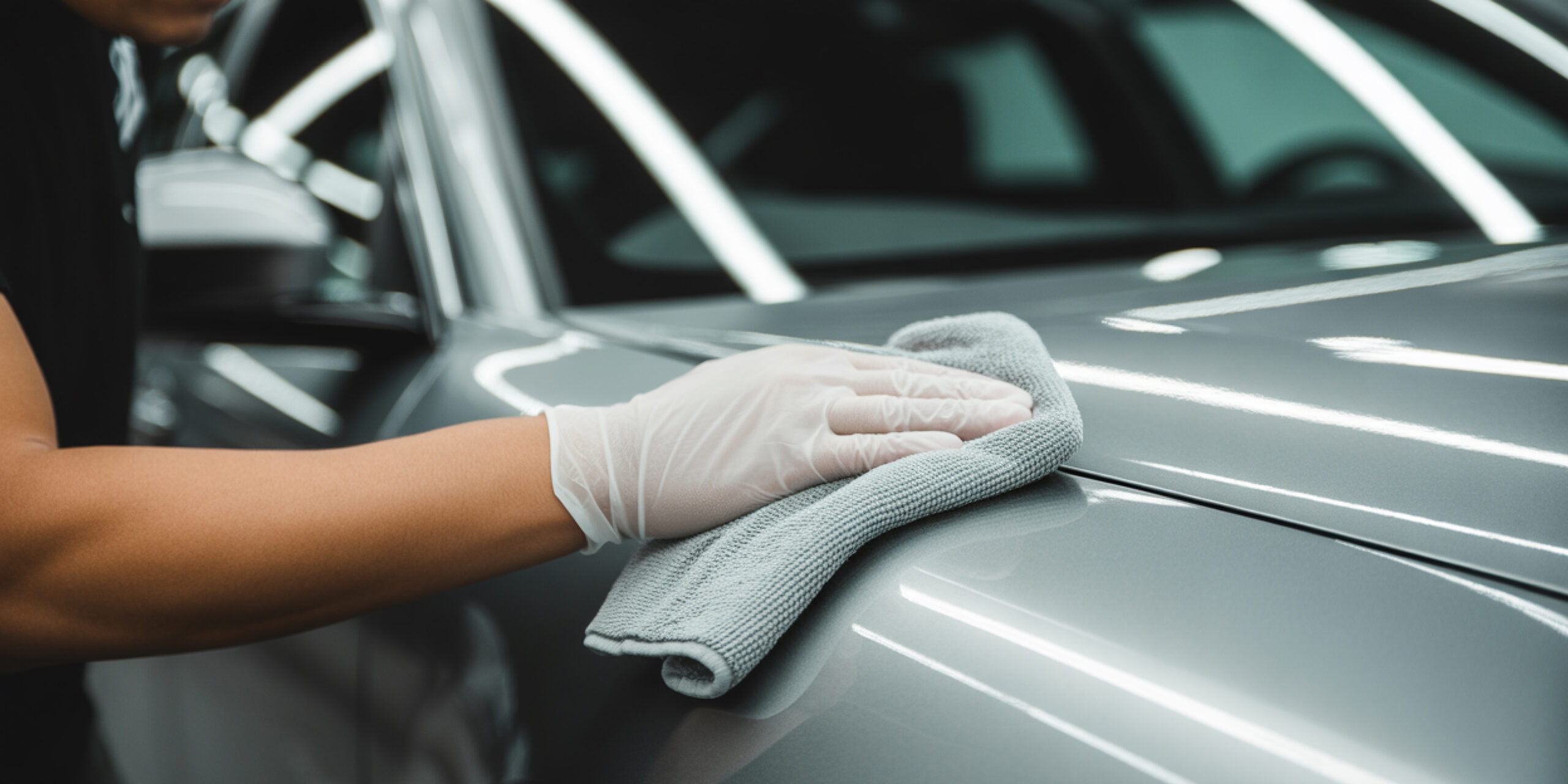
Car detailing uses microfibre mitts and pH-neutral soap to clean the exterior of the car.
Hard Water Spots: The Silent Paint Killer
People living in areas with hard water deal with stubborn water spots that refuse to budge. Untreated hard water leaves mineral spots that bond to the surface when it dries on paint or glass surfaces. Over time, it etches into the clear coat. Simple wiping will not help remove the stains.
Car detailing shops dry the car with clean microfibre towels instead of air drying. If water spots have started forming, a water-spot remover is used. If hard water cannot be avoided, it is better to consider ceramic coating for maintenance.
UV & Weather Protection
Countries like Canada have extreme seasons – blazing hot summers with strong UV exposure and freezing winters full of ice and salt. The exposure to such drastically different weather destroys paint faster.
Car detailing offers UV & weather protection that prevents fading and peeling. It protects the clear coat from breaking down. Plastic trim that could turn grey is protected with UV & weather protection. It also helps salt and dirt wash off more easily.
There are three protection options in car detailing: wax, sealant, and ceramic coating.
Wax protection lasts for a couple of months and offers basic protection and shine. Sealant lasts for six months and offers stronger protection with a hydrophobic finish. Ceramic coating lasts for two to five years and is the premium protection against all elements. Ceramic coating is a game-changer for drivers in winter. For darker cars, every swirl mark is visible. Ceramic coating is the best way to protect the paint.
Microfibre Cloths Aren’t All the Same
What most people ignore is the cloth used for washing a car. A cheap towel from the dollar store is one of the fastest ways to scratch your car. Car detailing centres use premium microfibre cloth for washing. What determines the quality of a microfibre cloth? The higher the GSM rating, the softer and more absorbent it is. Edgeless or silk-edge stitching microfibre cloth prevents scratches. Different weaves should be used for glass, drying, interiors, and polishing tasks.
Scratch Removal vs Scratch Filling
Most scratch removers do not remove scratches at all. They just fill them temporarily and hide them. Real scratch removal needs machine polishing. Abrasive compounds are used to remove scratches after measuring the paint thickness to avoid permanent damage.
A tip to understand if the scratch is too deep – if your fingernail catches a scratch, it is usually too deep to polish out safely. Professional car detailing technicians can remove the scratches without damaging the paint.
Interior Car detailing Is About Health, Not Just Cleanliness
The interior of the vehicle can be a hotspot of bacteria. If you test the steering wheel for bacteria, you might be shocked. The interior of the car can have spilt drinks, food crumbs, pet hair, and moisture from snow boots. It is the perfect breeding ground for bacteria, mould, and allergens.
Interior car detailing involves steam cleaning, shampoo extraction, ozone odour removal, and leather conditioning. It is highly recommended for families with pets, children with allergies, and ride-share drivers.
Headliner Cleaning
The headliner is the fabric on the ceiling of the cabin. The adhesive holding it up can loosen easily. Professional car detailing shops use light foam cleaners and minimal moisture to clean headliners. Suction and gentle lifting techniques are used instead of heavy rubbing.
Final Wrap
Car detailing protects your car’s paint and interior for years. It increases the resale value of your car. It helps identify and repair problems when they are small and prevents major expenses. It restores the shine and finish of your car. Taking care of minor repairs early on helps maintain safe driving conditions. Your car is a big investment. Be smart and take care of it the way you should. Be smarter and visit Colibri Car Wrap and Detailing for car detailing services!