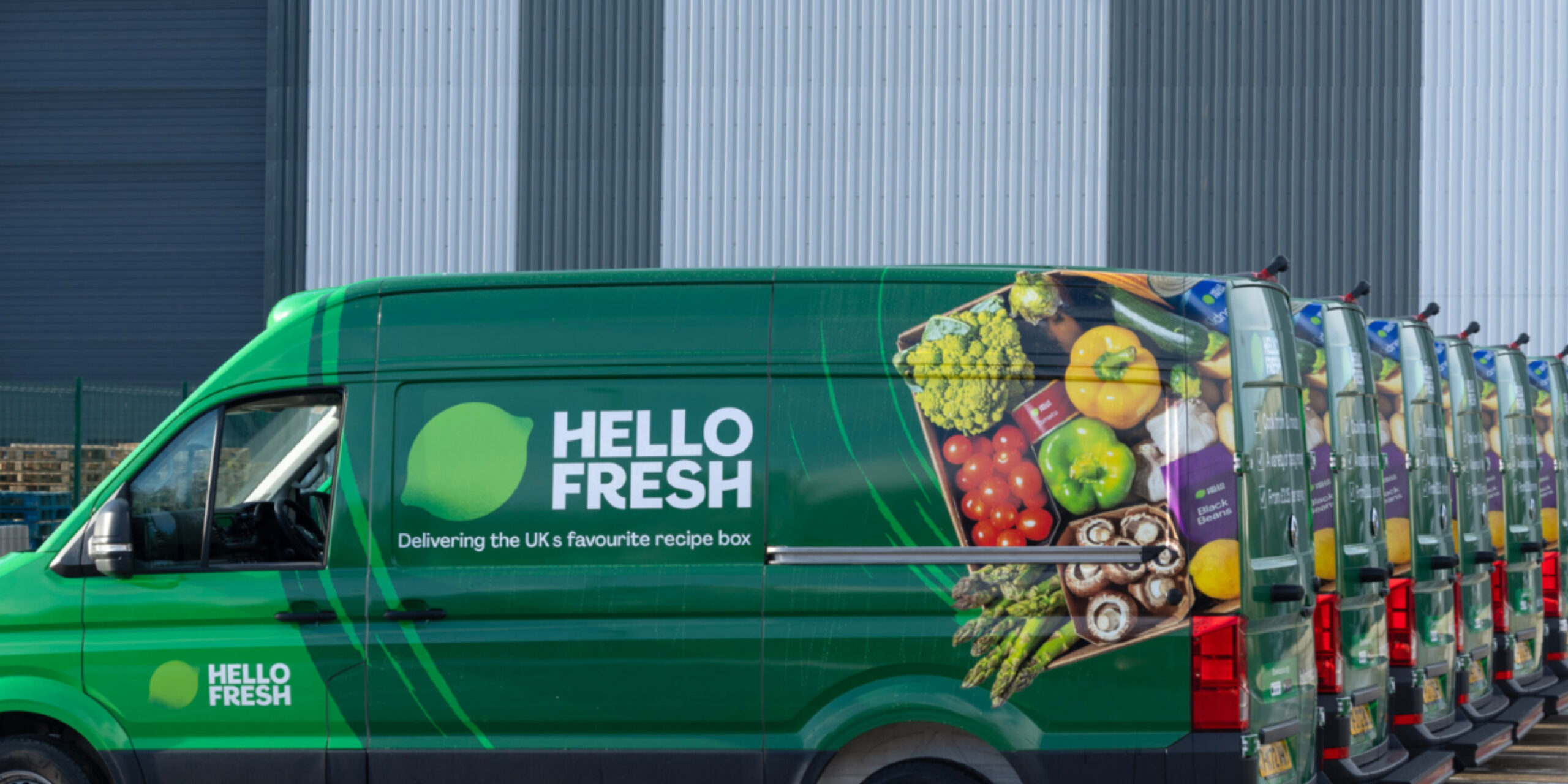
Have you ever been driving and noticed a van passing by with some product advertised on the sides? The colours and the visuals induce us to notice the car branding, and the brand becomes familiar. Next time you want to buy something in that genre, you will make an effort to check out that brand. This is the impact of car branding.
When you see the Mercedes-Benz logo, think of what comes to mind. The brand has long been associated with luxury, engineering, and prestige. That’s the power of car branding.
In today’s market, where new products are launched every other day, it becomes challenging to make your brand stand out. Even if you have a good product to sell, it should be branded well and visible to reach your target consumers. Proper branding will facilitate consumer loyalty and recognition. When the value of your brand increases, it will, in turn, increase your business and sales.
There are 7 essential rules that car branding must follow. If you are wondering what the 7 rules are, read on.
What is Car branding?
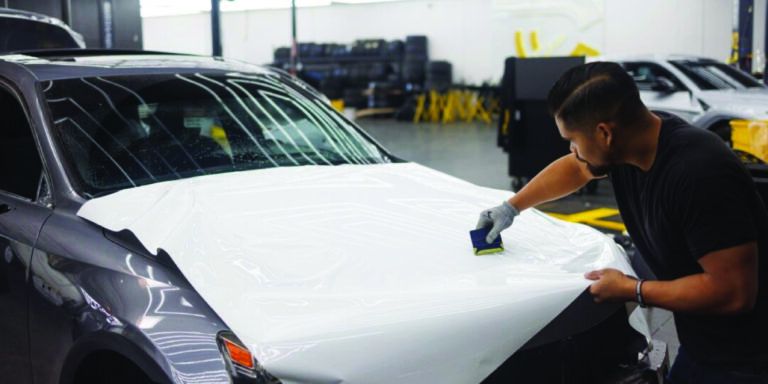
Car branding is simply the use of a vehicle to promote a brand, company, or product. It is also known as vehicle branding or transit advertising. The vehicle serves as a mobile advertisement. It is usually done using car wraps, decals, or custom paint jobs.
Car wraps are the most popular form of car branding. It involves the application of logos, slogans, and images to the vehicle. Car wraps can be complete or partial.
This form of advertising is very effective and can reach a larger audience. Branded vehicles are constantly on the move, ensuring that the brand gets exposure. It is cost-effective compared to the traditional methods. Branded vehicles ply strategically chosen routes and locations to target specific demographics and areas.
Rule #1: Visibility is Your First Priority
Your brand needs visibility, and the wrap design has to be eye-catching. The design has to grab people’s attention at first glance. High-contrast colours will make people look twice and keep them engaged enough to read the advertisement.
People could be reading the advertisement at traffic stops or while speeding down the street. The font has to be bold and easy to read in any situation for everyone. Big and bold fonts in a clear layout with a clear contrast background will be easy on the eye. It will also be easy to read from a distance.
The car branding should have all the essential information. The business logo, phone, website, and service type should be mentioned in that space.
It is better to keep the space uncrowded and clear. Keep in mind to avoid clutter and too many elements in one space. Keeping it simple will make it memorable.
Rule #2: Consistent Across Every Touchpoint
Car branding should align with the brand identity. Use brand colours, fonts, and logos as they appear on the website, social media, and office signage. Brands have certain colours and fonts associated with them, and it is better to be consistent with those. This creates brand recognition, which can help build brand trust and loyalty over time.
Using different colours and designs in car branding can confuse customers and also look unprofessional.
Rule #3: Design for Impact, Not Just Style
The design should instantly capture people’s interest and convey the information quickly. It is better to keep it simple and not too artistic or complicated.
There is a hierarchy in design where the brand name comes first, followed by the service offered, and then contact info. Ensure that the information is clear in that order.
Imagery in the design should be used strategically to highlight the brand and should not clutter the design. Focus on the impact you want the car branding to have and not just the design layout.
It is also recommended to test the design at scale. What works on screen might not have the desired effect on a moving vehicle.
Rule #4: Functionality Matters as Much as Design
The design should fit the contours of the vehicle properly. A beautiful design will not look as good if it is not applied properly to the car. The physical structure of the vehicle has to be accounted for in the design. The design should accommodate the contours, door handles, sliding doors, bumpers, etc.. The design should be customised to wrap well on that specific model of the vehicle.
Always get car branding done at experienced wrap designers like Colibri Car Styling. They would be able to predict how to map the design to the car.
Place key text in areas where it can be viewed clearly. Avoid text over seams, windows, and areas prone to wear.
You can also consider rewrapping for seasonal campaigns and wrap removability.
Rule #5: Know the Brand You’re Wrapping
The vehicle should reflect the brand vibes. Different brands should be approached differently. Keep in mind the personality and values that the brand stands for. For example, a luxury spa needs elegance and calmness. A tech start-up needs a modern, minimalistic design.
The tone of the campaign must be reflected visually in car branding. You need to understand the brand clearly. The value that the brand stands for, the target audience, and how to reflect that in the design are a few questions you need to answer while designing the car wrap.
Rule #6: Quality = Longevity
The car film wrap has to withstand exposure to the environment, so always use high-quality materials. The lifespan of premium vinyl is longer than other alternative options available in the market today. Premium vinyl can last for 5 to 7 years if they are properly installed and maintained. The installation is also important for the longevity of the branding.
Poor-quality car wraps can show signs of sun fading over time. The car wrap can peel and bubble if the quality is bad.
Work with certified wrap installers for proper installation. Invest in weather-resistant and UV-coated materials for durability.
The car branding is responsible for the perception of the brand. A peeling or worn-out wrap reflects badly on the company.
Rule #7: Compliance & Legality Are Non-Negotiable
Always follow local regulations and guidelines. Be aware of the laws about reflective materials, blocking windows, or license plates. Some promotional messages may require permits. Ensure that you conform to the rules regarding them.
Some companies may not offer insurance for wrapped cars without disclosures, so be aware of the insurance implications.
Some areas or city regulations may have specific rules about parked branded vehicles in residential areas, so be aware of them.
Always check the local laws before proceeding with car branding.
Wrap Up
If you have a business and need visibility affordably and sustainably, then car branding is the answer to your prayers. Car branding gives your product visibility with design. It offers functionality and can be customized to align with the brand’s identity and quality.
Car branding is an extension of your brand- just that it’s on wheels. Invest in high-quality materials and installation to reap the benefits of car branding for a longer time.
These 7 rules can be your framework for car branding. They are guaranteed to deliver results.