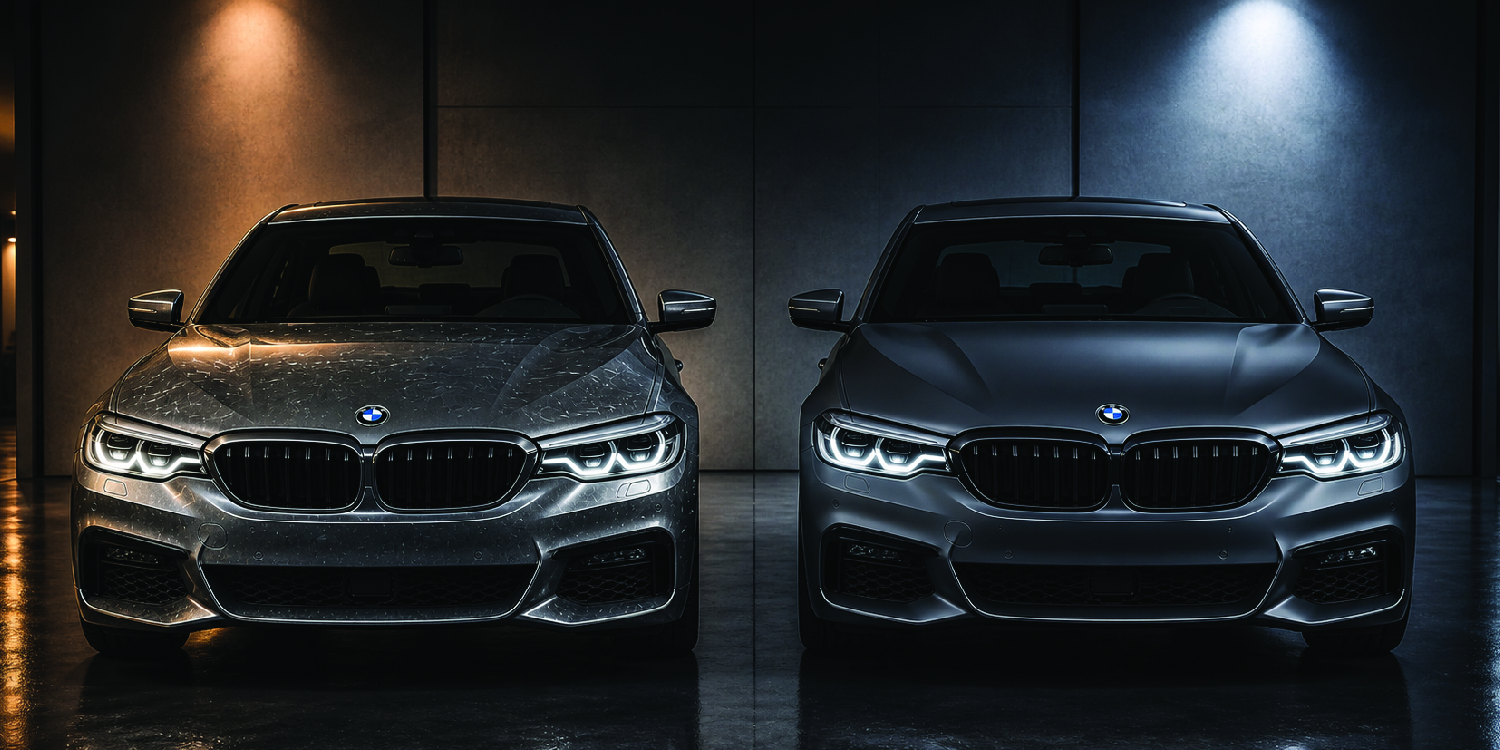
Are you thinking of changing your car’s appearance in 2026? Well, you find yourself facing a tough decision between two major options: a car body wrap and traditional paint. Both options can transform the look of your vehicle, but they do so in different ways. Earlier, the only option was a paint job. But with advances in vinyl technology, the car body wrap is now more than just a trend.
They are available in different finishes to suit all consumer needs. There are colour-shifting films and even self-healing protective layers. Automotive paint has also improved in terms of quality, colour depth, and long-term durability. The choice really depends on your budget, lifestyle, driving habits, and long-term goals.
This blog highlights the differences between a car body wrap and paint in 2026. If you are contemplating a full colour change or refreshing an old car, this is a guide for you.
Understanding the Core Difference Between Car Wrap and Paint
A car body wrap is a protective vinyl film applied over the car’s paint. Repainting involves sanding, prep, primer, colour coats, clear coats, and curing. Paint is a permanent change. Once the colour is decided and painted on the car, it is not reversible or easily changeable. A car body wrap is not permanent. It can be removed easily without damaging the paint. Paint integrates into the vehicle body, while a wrap sits as a surface layer.
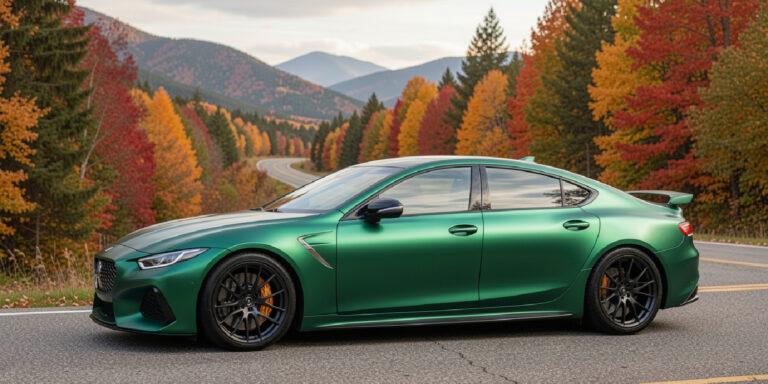
Car body wraps are available in new finishes today, like satin, matte, forged carbon, brushed metal, and colour-shift. Both deliver similar results, but serve different purposes. Paint is often used to restore the exterior permanently. Wraps are stylish and offer flexibility.
Most owners treat their vehicles as an extension of their personalities and prefer to customise the finish of their vehicles. A car body wrap can be customised with a wide range of choices.
Which Option Looks Better in 2026?
Premium paint has more visual depth than the crisp finish of high-quality wraps. Modern vinyl wraps are very different from old vinyl wraps. They are far more realistic and refined. Some finishes are hard to create with paint. Finishes such as satin and iridescent tones are easier to achieve with a car body wrap.
Paint is undoubtedly the winner when it comes to ultra-deep gloss and colour richness. The clarity and vibrancy of factory paint are difficult to recreate with wraps. Car wraps have to be installed professionally for the perfect finish. Areas such as panel edges, door jambs, and hard contours are challenging when trying to achieve a smooth finish. No matter the quality of the car body wrap, it is the installation that determines the finish. Social media and automotive trends have popularised car wraps among younger car owners.
Cost Comparison: What Are You Really Paying For?
From a distance, a car body wrap seems like the cheaper option compared to paint. A wrap and paint are priced differently because they involve different materials, processes, and skills. The majority of the cost of car body wraps comes from the vinyl film, the brand, the finish, and the installation charge. The finish is also a major pricing factor for wraps. Satin, chrome, and colour-shift finishes are pricier than standard gloss films. Other factors that affect the cost are the size of the car, the number of curves and contours, and the areas to be wrapped.
Paint has a higher labour cost as the process is more intensive. A high-quality paint job involves many processes. Surface preparation, sanding, dent correction, primer, multiple paint layers, clear coat application, and curing time are the stages of painting. If the car body has scratches, rust, or old paint damage, the cost can rise quickly.
There are also hidden costs to consider. A wrap may need removal or replacement eventually, while paint needs polishing, correction, or touch-up work. Paint is a better option for people who want a long-term finish.
Durability in Real-World Driving Conditions
Environmental elements can damage paint. Sun exposure can oxidise and dull the paint. Bird droppings and tree sap can etch into the clear coat and compromise the paint. Rain and dust can fade the clarity of the paint. A car body wrap acts as a shield and protects the underlying paint.
Poor-quality wraps can fade and lift over time when exposed to the elements. Paint can chip, oxidise, and lose gloss over time.
How Much Maintenance Does Each One Need?
Maintenance is different for a car body wrap and paint. A painted car can handle regular washing, occasional polishing, and detailing products that are paint-safe. If the finish fades over time, it can be restored with polishing and paint correction.
A car body wrap needs more awareness when it comes to maintenance. A matte or satin finish cannot be polished like gloss paint. The texture and sheen can be affected by polishing. Strong chemical cleaners, abrasive compounds, and regular car washes shorten the longevity of car wraps or dull their appearance.
Wraps are easier to maintain if cleaned properly. They require gentle washing and quick removal of bird droppings and tree sap. Many owners also choose ceramic coatings for wraps for ease of cleaning.
Downtime and Convenience: Which One Fits Modern Life Better?
A car body wrap requires less downtime in comparison to traditional paint. Wraps are popular because they offer the option of quick aesthetic changes and protection. A professional car wrap can be completed in 1-3 days, whereas a high-quality paint job can take 7-14 days.
After the installation of a car body wrap, the vehicle is immediately ready for use. Painting may require multiple coats and a clear coat application, which will require drying and curing time.
A wrapped car can be repaired easily by replacing the damaged panel. Repairing a painted car can be time-consuming and requires more work.
Resale Value and Long-Term Ownership Considerations
When choosing between a car body wrap and paint, it is worth thinking ahead about how the decision will affect the value of the car later.
One of the advantages of a wrap is that it preserves and protects the underlying paint. This can be an advantage for owners who plan to sell or trade in their vehicles after a few years. Buyers often feel more comfortable with a car that has its original paint than a repainted one. When the wrap is removed, the well-maintained original finish can increase the value of the vehicle in the resale market.
For owners who prefer long-term ownership, paint is a better choice. If you feel like updating your vehicle’s appearance, a wrap is more practical.
Conclusion
Car owners have more choices than ever before in 2026. The choice between a car body wrap and paint is not straightforward. The right option depends on your preferences and what matters to you. If you prefer flexibility and convenience, a car body wrap would suit you. If you are considering long-term ownership, paint is a better option.
The decision depends on your budget, usage, and long-term habits. The professional staff at Colibri Car Wrap and Detailing can help you decide if you are still in doubt. Visit our shop and talk to the experts.